
Last updated October 31, 2026
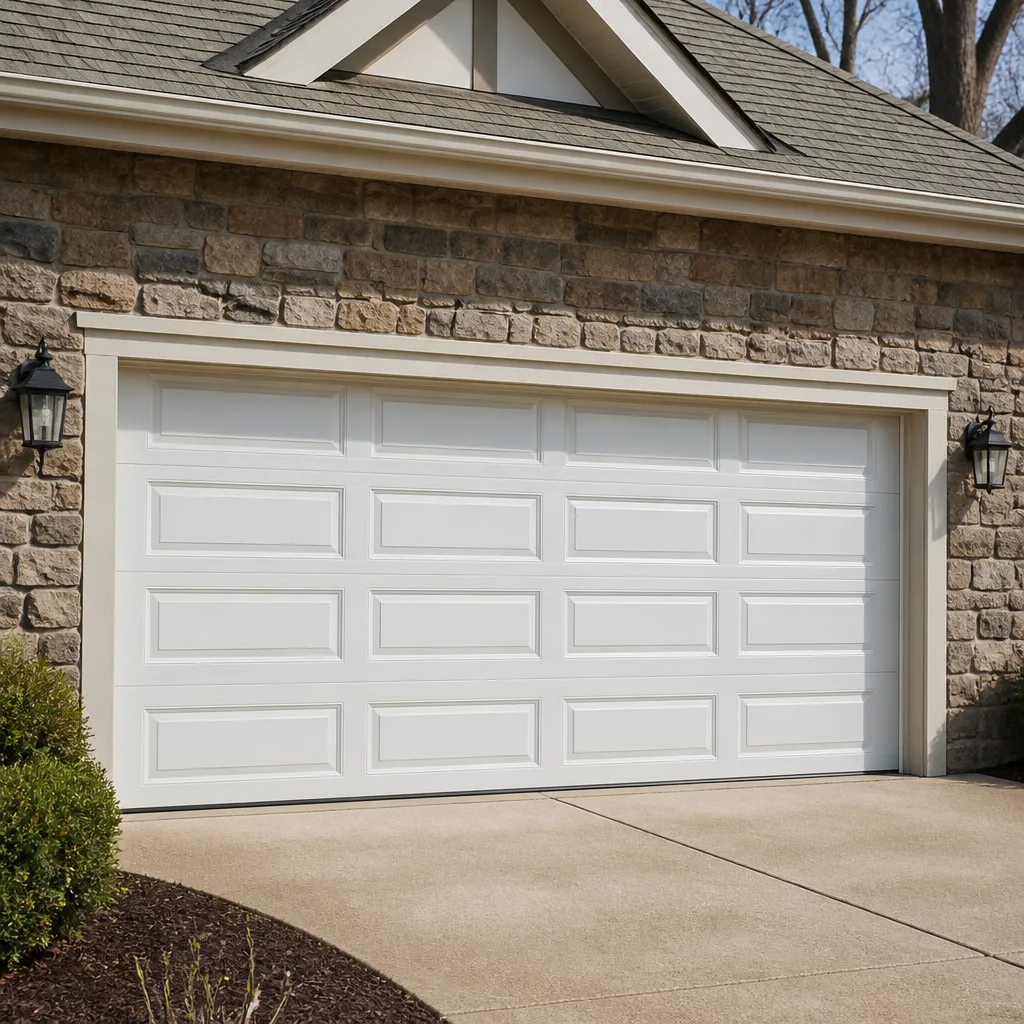 Raised-panel steel
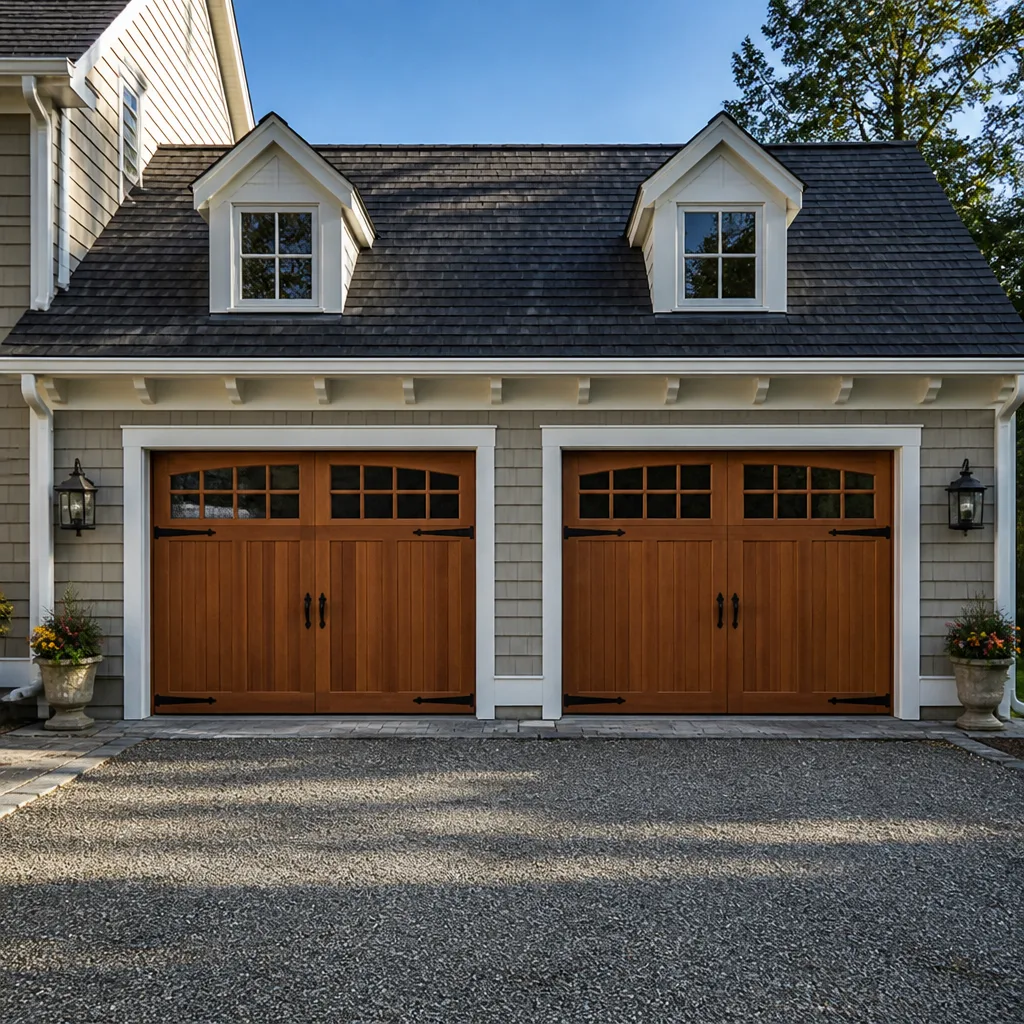 Carriage house
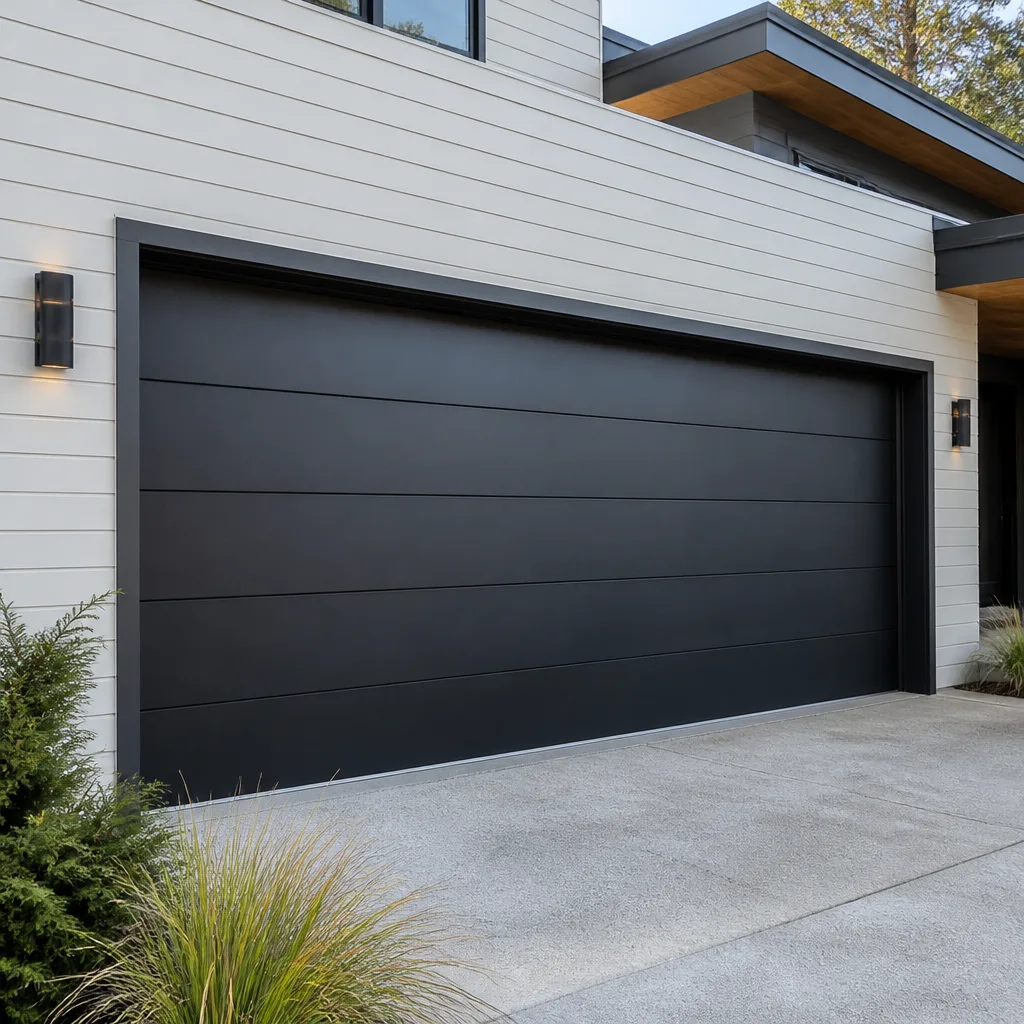 Modern flush
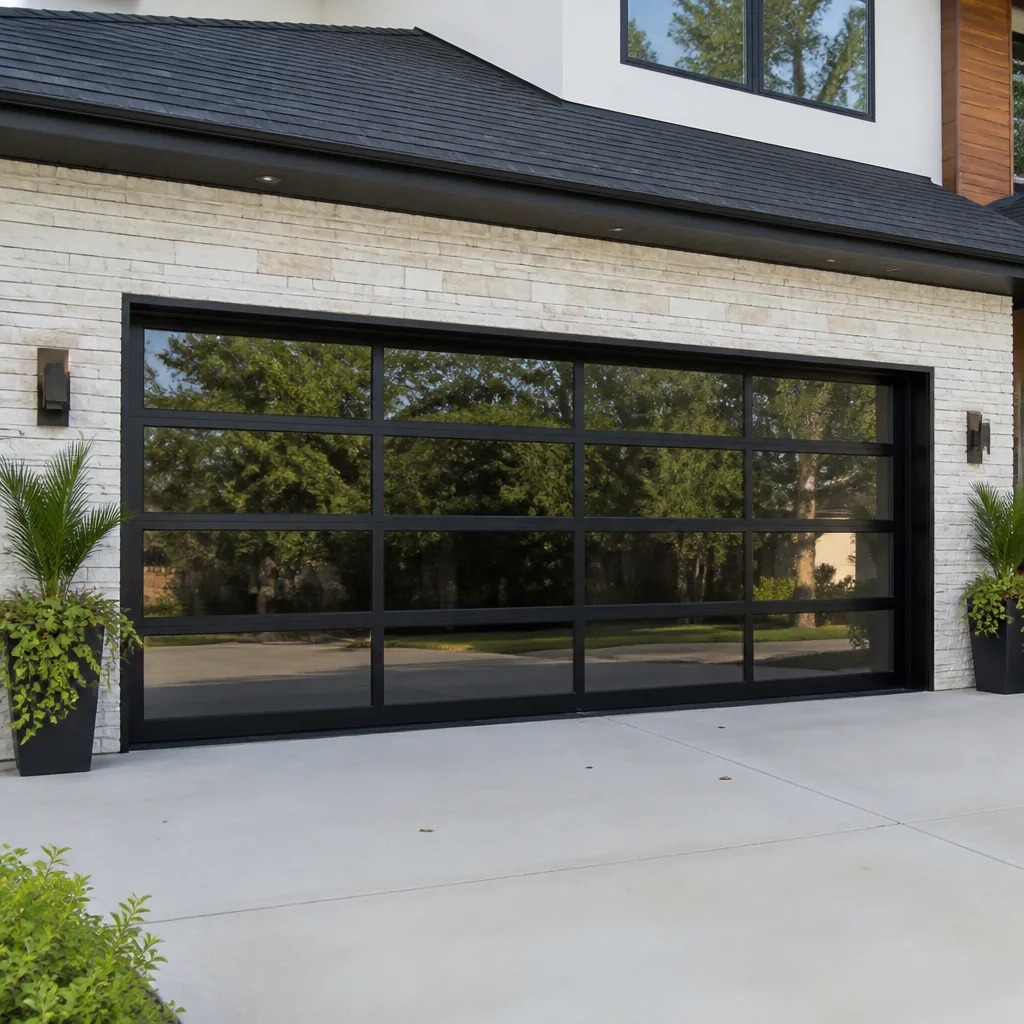 Full-view glass
 LiftMaster openers
 Chamberlain openers
Full 25-point door and opener safety check with every visit - springs, cables, rollers, tracks, and your LiftMaster or Chamberlain opener included
You get a price before we start. It does not change when the truck arrives.
Get your free estimateSeasonal Garage Door Care for Tampa: Year-Round Homeowner’s Guide
Most seasonal garage door guides assume you have a winter. They tell you to prepare for ice, snow, and sub-zero temperatures. Tampa homeowners following those calendars skip the wet-season prep that matters most and over-maintain during months when their door needs less attention. Tampa doesn’t have four seasons. It has two: a wet season that punishes seals and finishes, and a dry season that cracks rubber and tightens metal. This guide is built around that reality. You’ll learn exactly what to check before the rains arrive, what to monitor during the humid months, and which dry-season tasks actually matter for a garage door in Tampa.
Styles & brands we work with
Quick Answer
Seasonal garage door care in Tampa means two distinct maintenance windows: pre-wet season prep in April and May (seal inspection, drainage clearing, rust-preventive lubrication), and dry season service from November through March (seal replacement, spring tension checks, full cable inspection). Most Tampa garage doors need attention twice a year, not four times, and the timing matters more than the frequency.
Table of Contents
- Tampa’s Wet-Dry Reality: Why Generic Checklists Fail Here
- Pre-Wet Season Tasks: April and May
- In-Wet Season Monitoring: June Through September
- Post-Storm Protocol: What Changes After a Named Storm
- Dry Season Tasks: November Through March
- The One Task Tampa Homeowners Skip: Full Cable Inspection
- Tools and Materials for Tampa-Specific Maintenance
- Common Mistakes to Avoid
- When to Call a Professional
- Frequently Asked Questions
- The Bottom Line
Tampa’s Wet-Dry Reality: Why Generic Checklists Fail Here
Tampa gets roughly 50 inches of rain a year, but the distribution is wildly uneven. From June through September, afternoon thunderstorms are nearly a daily occurrence. Humidity sits above 80 percent most mornings. Then from November through March, the pattern flips: dry air, cooler nights, and long stretches without meaningful rainfall. Your garage door responds to both extremes differently, and a maintenance calendar built for a northern climate simply misses what’s happening to your door.
The wet season is a corrosion and seal problem. Wood and composite doors absorb ambient moisture in ways you won’t notice until a panel starts swelling or a bottom seal loses its compression against the concrete. Metal components, especially tracks and hinges, develop surface rust faster during months when the air itself is wet, even without direct rain contact. The dry season is a tension and rubber problem. Rubber seals lose flexibility when humidity drops and nights cool down. Torsion springs, already under constant load, shift their tension characteristics slightly as temperatures fluctuate, which is why a door that worked fine in October can feel off-balance by February.
For Tampa homeowners, the practical takeaway is this: you need two service windows, not four. April and May for wet-season prep. November through January for dry-season correction. The sections below walk through each window in detail.
If you’re unsure whether your door’s current condition falls within normal seasonal wear or something more serious, Garage Door Repair in Tampa is our core service page with detailed guidance on common failure points.
Pre-Wet Season Tasks: April and May
The weeks before Tampa’s rainy season arrives are the most important maintenance window of the year. Once daily thunderstorms start in June, small problems escalate quickly. A hairline crack in a bottom seal becomes a water intrusion path. A dry roller bearing starts grinding. A slightly loose hinge accelerates into misalignment. April and May are when you catch these before the humidity amplifies them.
Here’s what to do, in order of priority:
- Inspect the bottom seal along its full width. Run your hand along the rubber strip at the bottom of the door. You’re feeling for cracks, flattening, or spots where the seal has pulled away from the door edge. Tampa’s wet season demands a seal that compresses evenly against the concrete. Flat spots let rainwater wick under the door during afternoon storms.
- Clear the drainage channels on both sides of the door. Most Tampa garages have concrete aprons or channel drains that direct water away from the door opening. Leaves, sand, and small debris accumulate in these channels during the dry season. Clear them with a stiff brush or a hose before June. A blocked channel means standing water against your door frame for hours after every storm.
- Apply a rust-preventive lubricant to metal-to-metal contact points. Hinges, roller stems, and the lock mechanism all benefit from a light lubricant application before humidity peaks. Use a product designed for garage door hardware, not WD-40. WD-40 displaces moisture but strips existing lubrication. A lithium-based or silicone-based lubricant will actually protect the surface.
- Check the torsion springs for surface rust. Tampa’s wet season doesn’t cause springs to fail by itself, but rust on a spring that’s already five or six years old accelerates metal fatigue. If you see rust scaling or flaking, that’s a signal the spring is nearing the end of its service life. Spring replacement is not a DIY job. We work on springs from LiftMaster, Chamberlain, Genie, and Raynor systems regularly, and the tension involved makes this a professional repair every time.
- Test the auto-reverse function on your opener. Place a 2×4 flat on the ground in the door’s path and close the door. It should reverse within two seconds of contact. Opener sensors and safety systems degrade gradually, and you want to know they’re working before the season when the door gets the most use.
We’ve seen doors in South Tampa neighborhoods like Palma Ceia and Hyde Park that get opened six to eight times a day during the summer. That’s more than 700 cycles between May and September. If your opener hasn’t been serviced in a few years, that volume will expose weaknesses. Our Garage Door Opener Repair in Tampa page has details on what a full opener service includes.
In-Wet Season Monitoring: June Through September
Once the daily storms arrive, you’re not doing major maintenance. You’re watching for early warning signs. The goal is to catch water intrusion, panel distortion, and humidity damage before a small issue becomes a repair bill. Here’s what to look for during a typical Tampa summer.
Panel swelling on wood and composite doors. This shows up first at the bottom panel edges, where rain splash and standing moisture concentrate. Run your hand across the door surface. Swelling feels like a slight bulge or softness that wasn’t there in May. On painted wood doors, you may also see paint bubbling or peeling at the seams. Composite doors from manufacturers like Clopay are more resistant, but no door is immune to four months of sustained humidity.
Seal compression failure. The bottom seal that looked fine in April may develop flat spots by August. The combination of heat and moisture softens the rubber, and daily door cycles compress it against the concrete. When the door is closed, squat down and look for daylight or visible gaps between the seal and the floor. A seal that’s no longer compressing evenly is an open invitation for water, insects, and humid air.
Opener humidity intrusion. Tampa’s summer humidity affects the electronics inside your opener unit. Symptoms include intermittent operation, a door that starts and stops mid-cycle, or opener lights that flicker. These are signs that moisture is affecting the circuit board or sensors. If your opener is mounted in an uninsulated garage, the temperature and humidity swings are hard on electronics. This is exactly the kind of issue we address as a dedicated opener repair service, not as an afterthought. Your opener is part of the system. We treat it that way.
Track rust on exposed metal. Look at the vertical tracks on both sides of the door, especially near the bottom where rain splash reaches. Light surface rust is cosmetic. Pitting or flaking rust means the track surface is degrading, and that creates friction that the rollers have to work against. If you catch it early, a light wire-brushing and lubricant application usually solves it. If you wait, the track may need replacement.
Noise changes. A garage door that gets progressively louder through the summer is telling you something. Grinding, squealing, or a “clunk” on the way up means a roller, hinge, or spring component is wearing faster than it should. Heat and humidity accelerate wear on moving parts, and a door that was quiet in June may be noticeable by late August. Don’t ignore noise changes. They’re the earliest and most reliable warning sign.
Post-Storm Protocol: What Changes After a Named Storm
After a named storm or a severe thunderstorm with high winds, routine maintenance checks aren’t enough. Wind loads, flying debris, and pressure changes can affect your garage door in ways that normal weather doesn’t. Here’s the specific checklist to run after any storm that brought winds above 40 mph to your Tampa neighborhood.
- Check the door’s balance manually. Disconnect the opener using the red emergency release cord, then lift the door by hand. It should lift smoothly and stay in place at the halfway point. If it’s harder to lift than usual, or if it falls back toward closed, the wind may have shifted spring tension or bent a track. This is the fastest way to identify storm damage that isn’t visible.
- Look for debris strikes on the door face. Small branches and loose yard items become projectiles in high wind. Inspect the full door surface for dents, punctures, or scratches that broke through the finish. A small dent may be cosmetic. A puncture through a panel face means water will get inside the panel structure and cause more damage over time.
- Check the weatherstripping for blow-out. High winds can peel weatherstripping away from the door frame or jam it out of position. Run your hand along the side and top seals. If they’ve shifted, water and insects get in. Re-seating weatherstripping is straightforward, but don’t wait until the next storm.
- Inspect the track anchors. The brackets that hold the vertical and horizontal tracks to the wall take real stress during wind events. Look for loose bolts, shifted brackets, or gaps between the bracket and the wall. If a bracket has moved, the track alignment is off, and continued use will wear rollers unevenly.
- Test the opener’s force settings. After heavy wind, some openers’ force settings read differently if the door’s balance shifted. Run a full open-close cycle and watch for hesitation, jerking, or unusual stop points. If the door doesn’t move smoothly, call before using it daily. A misaligned door under opener force can bend panels or strip gears.
Storm damage is one of the most common reasons Tampa homeowners call for Garage Door Repair in Tampa between June and November. The damage is usually repairable, but only if it’s caught before a week of daily use compounds the problem.
Dry Season Tasks: November Through March
Tampa’s dry season is the maintenance window most homeowners actually enjoy. The weather’s cooler, the humidity drops, and working in the garage is no longer a sweat-soaked chore. It’s also the season when rubber failures and spring adjustments matter most. Here’s what to prioritize from November through March.
Replace cracked or flattened seals. The same bottom seal that got compressed through the wet season now faces a different enemy: low humidity and cooler temperatures. Rubber loses flexibility in dry conditions. A seal that was soft and pliable in September may be stiff and cracking by January. This is the single most common dry-season issue we see on doors across Tampa, from Carrollwood to Brandon to Westchase. If your seal shows visible cracks or doesn’t bounce back when you press on it, replace it now. A cracked seal won’t survive the next wet season.
Recalibrate spring tension. Torsion springs age with every cycle, but dry-season temperature swings make existing tension imbalances more noticeable. A door that starts feeling heavier to lift manually, or one that creeps down when you stop it at the halfway point, needs a tension adjustment. This is precision work. The springs are under enough force to cause serious injury if mishandled. We work on spring systems from every major brand, including LiftMaster, Chamberlain, Genie, and Raynor, and we’ll tell you honestly if a spring needs adjustment or replacement. Built to last, that’s the Fieldstone standard.
Lubricate rollers and hinges before the cold snaps. Tampa’s winter cold snaps, brief as they are, cause metal to contract slightly. Hinges and rollers that were fine at 80 degrees can bind at 40 degrees. A light silicone-based lubricant on the hinge pins and roller bearings prevents binding during the few genuinely cold weeks we get.
Test the door’s balance after temperature swings. Pick a day when the temperature is significantly different from the day before. Disconnect the opener and lift the door manually. If it feels different than it did a month ago, that’s a sign the springs are reacting to temperature changes. A balanced door should feel the same in November as it does in February.
Check the opener’s belt or chain tension. Dry air affects belt tension differently than humid air. Chains stretch slightly over time, and belts can develop slack. A loose chain or belt produces a slapping sound during operation and puts uneven wear on the opener’s drive gear. This is a good dry-season task because the lower humidity makes adjustments hold better.
The One Task Tampa Homeowners Skip: Full Cable Inspection
Garage door cables are the most overlooked component on the door. They don’t make noise when they’re wearing. They don’t produce obvious symptoms until they fail, and when they fail, the door becomes dangerous instantly. In Tampa, the dry season is the right time for a full cable inspection, and here’s why.
During the wet season, cables absorb moisture from the air. Steel cables don’t rust as quickly as exposed hardware, but the moisture still affects them at the strand level. Then the dry season arrives, and the cables contract slightly as the air dries. The combination of wet-season moisture absorption and dry-season contraction creates tiny fatigue points along the cable’s length. A cable that was fine in October can be developing broken strands by January.
Here’s what a full cable inspection involves:
- Visually inspect the full cable length on both sides. Look for broken strands, kinks, or fraying anywhere along the cable. Pay special attention to the area near the bottom bracket, where cables attach to the door.
- Check the cable drum. The drum at the top of each side holds the cable in place. The cable should wrap evenly around the drum. Overlapping wraps or gaps between coils indicate the cable has slipped, which throws the door out of balance.
- Look for rust at attachment points. The bottom brackets and cable ends are the most likely spots for rust to develop. Surface rust isn’t an emergency, but significant corrosion weakens the connection.
- Check cable tension with the door closed. Both cables should feel equally taut when the door is fully closed. A slack cable on one side means the spring system is unbalanced and the tight cable is carrying more than its share of the load.
This is not a DIY repair if you find a problem. Cables work with torsion springs under high tension, and a cable that snaps while you’re working on it can cause serious injury. If you find any of the issues above, call a professional. We diagnose cable issues as part of our standard Garage Door Repair in Tampa service, and we’ll tell you honestly what needs replacement and what still has life left.
If your door is old enough that the cables are failing and the panels are showing their age, you may be approaching the point where Garage Door Installation in Tampa makes more financial sense than continuing to patch a system that’s wearing out across multiple components.
Tools and Materials for Tampa-Specific Maintenance
Most Tampa homeowners can handle basic seasonal maintenance with a small set of tools and supplies. Here’s what you’ll want on hand before you start, and what each item is actually for.
What You Need
- Silicone-based garage door lubricant ($12-18). For hinges, roller bearings, and lock mechanisms. Not WD-40. We repeat that because it’s the most common mistake we see.
- Stiff-bristle brush ($8-15). For clearing drainage channels and removing surface debris from tracks.
- Clean rags or shop towels ($5-10). For wiping down tracks, removing old lubricant, and cleaning seal surfaces.
- Mild detergent and water (already in your home). For washing the door face and identifying surface damage. Dirt hides cracks and punctures.
- 2×4 or similar object (already in your garage). For testing the opener’s auto-reverse function.
- Flashlight or work light ($15-25). For inspecting cable drums, spring surfaces, and the top of tracks where daylight doesn’t reach.
What You Should Not Buy
Don’t buy a torsion spring replacement kit. Don’t buy cable replacement hardware. Don’t buy tools to “adjust” your springs. The tension in a torsion spring system can exceed 200 pounds, and a spring that releases unexpectedly can break bones or worse. This is the line between maintenance and repair. Seasonal care is about inspection and lubrication. Fixing problems is what we do, and we’d rather show up for a spring adjustment than a spring-related injury.
Common Mistakes to Avoid
- Following a four-season maintenance calendar from a northern climate. Tampa’s door needs attention in April-May and November-January. Tasks that make sense for a Minnesota winter, like adding insulation or weatherstripping for cold, don’t apply here and waste time.
- Using WD-40 on door hardware. WD-40 is a moisture displacer, not a lubricant. It actually strips the lubricant that’s already there. Use a silicone or lithium-based product specifically made for garage doors.
- Ignoring noise changes until something breaks. A door that gets louder through the summer is failing in slow motion. Grinding, squealing, and clunking sounds are early warnings. Fix the cause when it’s a $150 repair, not a $500 replacement.
- Checking the bottom seal only in the wet season. Seals crack in the dry season. If you only look at the seal in May, you’ll miss the cracks that formed in January and then failed completely in August.
- Attempting spring or cable work as a DIY project. These are the two most dangerous components on a garage door. The savings is never worth the risk. A trained professional with the right tools can adjust a spring in 30 minutes safely.
- Assuming a new opener fixes a door that won’t balance. An opener moves the door. It doesn’t hold the door’s weight. If your door is unbalanced, a new opener will burn out gears trying to compensate. Diagnose the door first, then decide if the opener needs work.
- Deferring post-storm checks because the door “looks fine.” Wind damage is often internal: shifted tracks, loosened brackets, unbalanced springs. The door looks fine from the outside and then fails three weeks later. Run the balance check after every significant storm.
When to Call a Professional
Some seasonal issues are genuinely DIY. Lubricating hinges, clearing drainage channels, and testing the auto-reverse are reasonable homeowner tasks. But there are specific situations where calling a professional from the start saves money, time, and risk.
Call if you find broken or frayed cables, visible spring rust or damage, a door that won’t stay balanced when lifted manually, or an opener that’s behaving intermittently. These are all signs of failing components under tension or electronics that are degrading. Call if you’ve put off maintenance for several years and aren’t sure what condition the door is actually in. A professional inspection catches problems you won’t see, and in Tampa’s climate, a few years of neglected wet seasons can hide real issues behind a door that still opens and closes.
Fieldstone Garage Door Repair offers free estimates in Tampa. Call (855) 360-5925. We work on LiftMaster, Chamberlain, Genie, and Raynor systems, and most others. We’ll tell you what’s actually wrong and what the right fix costs before any work starts.
Frequently Asked Questions
Twice a year is the right frequency for Tampa’s climate: once in April or May before the wet season arrives, and once in November or December during the dry season. The wet-season service focuses on seals, drainage, and lubrication. The dry-season service focuses on seal replacement, spring tension, and cable inspection. Homes with older doors or heavy daily use may benefit from a third check in late summer.
A basic seasonal inspection and lubrication service in Tampa typically runs $75 to $150 depending on the door type and what the technician finds. If seal replacement is needed, add $60 to $120 for materials and labor. Spring adjustment or replacement, if required, adds $180 to $340 depending on whether it’s a standard or high-cycle spring. Call (855) 360-5925 for an exact quote. Estimates are free, and the price is agreed before any work starts.
Heat and humidity in Tampa’s wet season cause metal components to expand slightly and rubber parts to soften, which changes how the door moves. Hinges and rollers that were quiet in the dry season can start grinding or squealing by August. Regular lubrication with a silicone-based product usually quiets the door down. If lubrication doesn’t help, a roller or hinge is wearing out and needs replacement.
In most Tampa neighborhoods, a standard residential garage door that’s in good condition handles typical summer storms without problems. But if you live in a flood zone or an area that gets regular wind exposure, a wind-rated door with reinforced tracks and bracing makes sense. Post-storm balance checks are more important than upgrading your door preemptively. If your door survived the last storm but now feels off-balance, call (855) 360-5925 before daily use compounds the damage.
Most bottom seals on modern doors slide into a T-shaped channel on the bottom of the door, and replacement is a reasonable DIY project if you buy the right seal profile. The challenge is matching the seal to your specific door brand. Clopay, Amarr, and Wayne Dalton doors often use different seal profiles, and a generic seal won’t seat properly. If you’re not sure what profile you need, a professional can identify and install the correct seal in one visit.
Full cable inspection is the most consistently skipped maintenance task. Cables don’t make noise when they wear, so homeowners don’t know there’s a problem until one snaps. In Tampa, the wet-dry seasonal cycle accelerates cable fatigue, and we see cable failures every year that could have been caught with a five-minute visual inspection during the dry season. Check for broken strands, uneven drum wraps, and rust at the attachment points every November and December.
The Bottom Line
Your Tampa garage door lives in a two-season climate, and caring for it on that schedule prevents more problems than any generic maintenance calendar. April and May are for wet-season prep: seals, drainage, and lubricant before the daily storms arrive. November through January are for dry-season correction: seal replacement, spring checks, and the cable inspection that most homeowners skip. Between those windows, you’re monitoring for early warning signs rather than doing major work. A door that gets those two maintenance passes every year will outlast a door that gets sporadic attention. And when something does go wrong, the right fix the first time is worth the call. Fieldstone Garage Door Repair home is the place to start. Call (855) 360-5925 for a free estimate, and we’ll tell you honestly what your door needs.
Written by the team at Fieldstone Garage Door Repair, serving Tampa since 2013.
See the difference
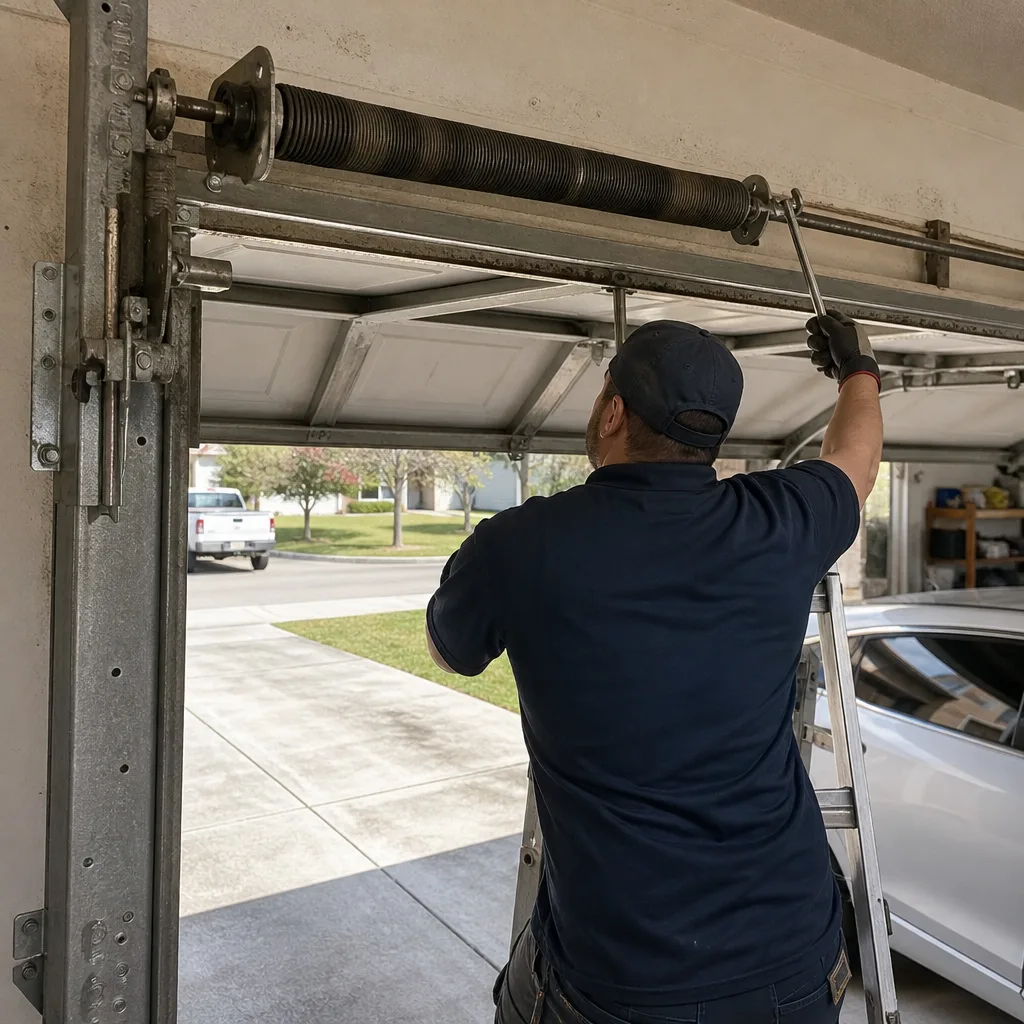 Before
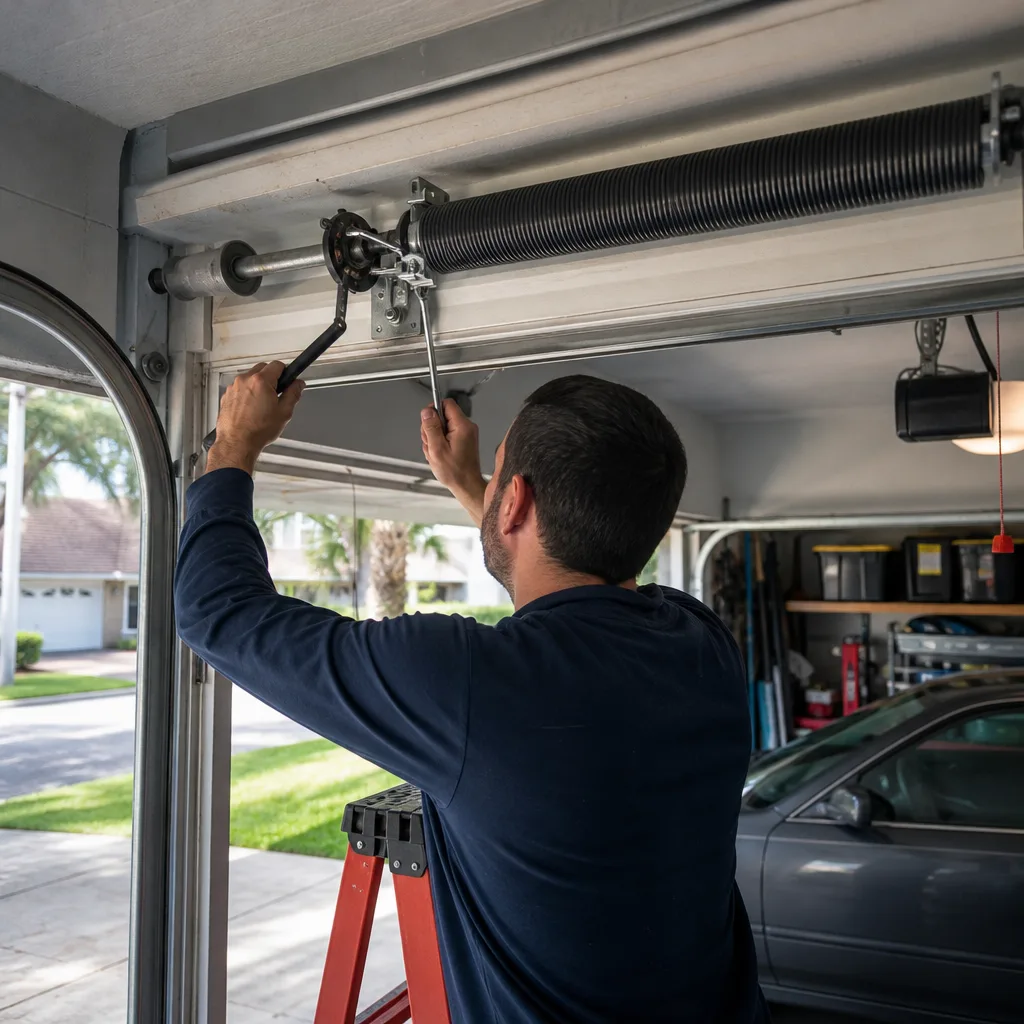 After
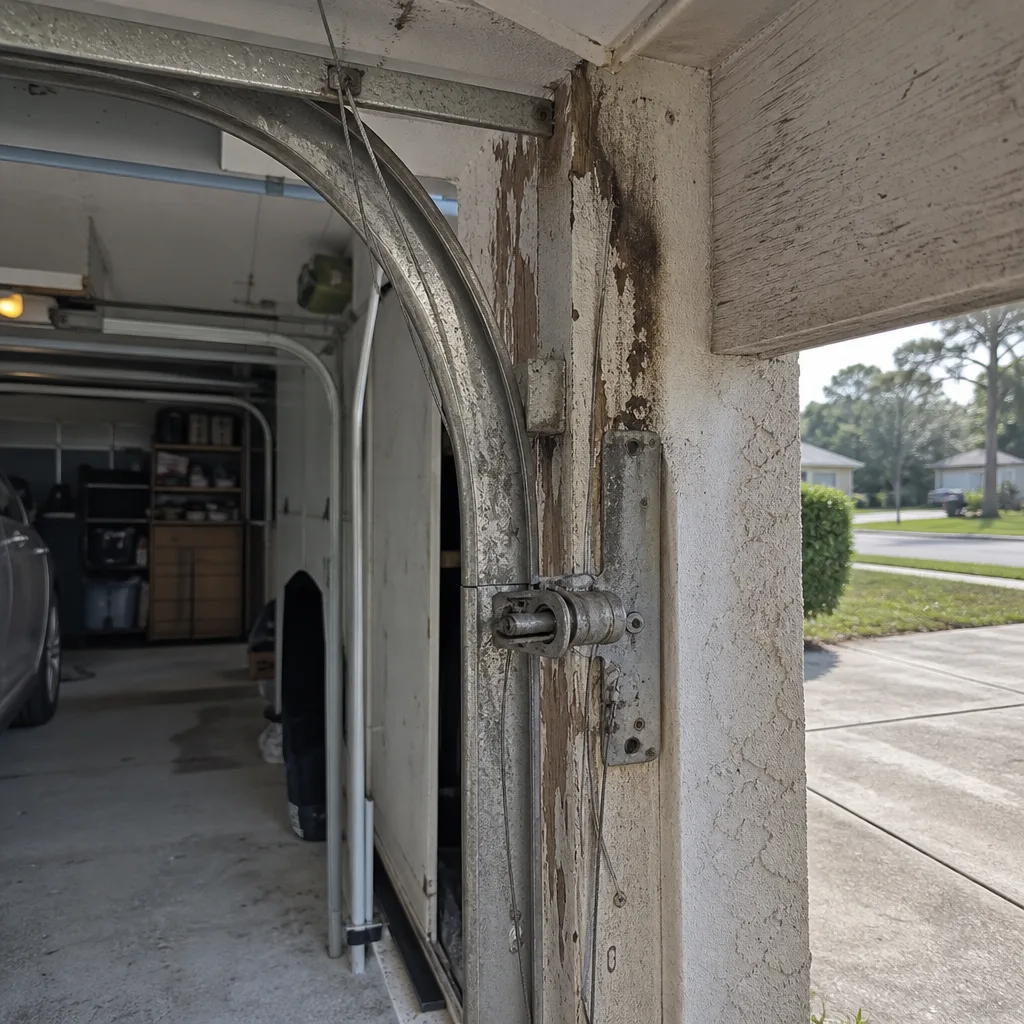 Before
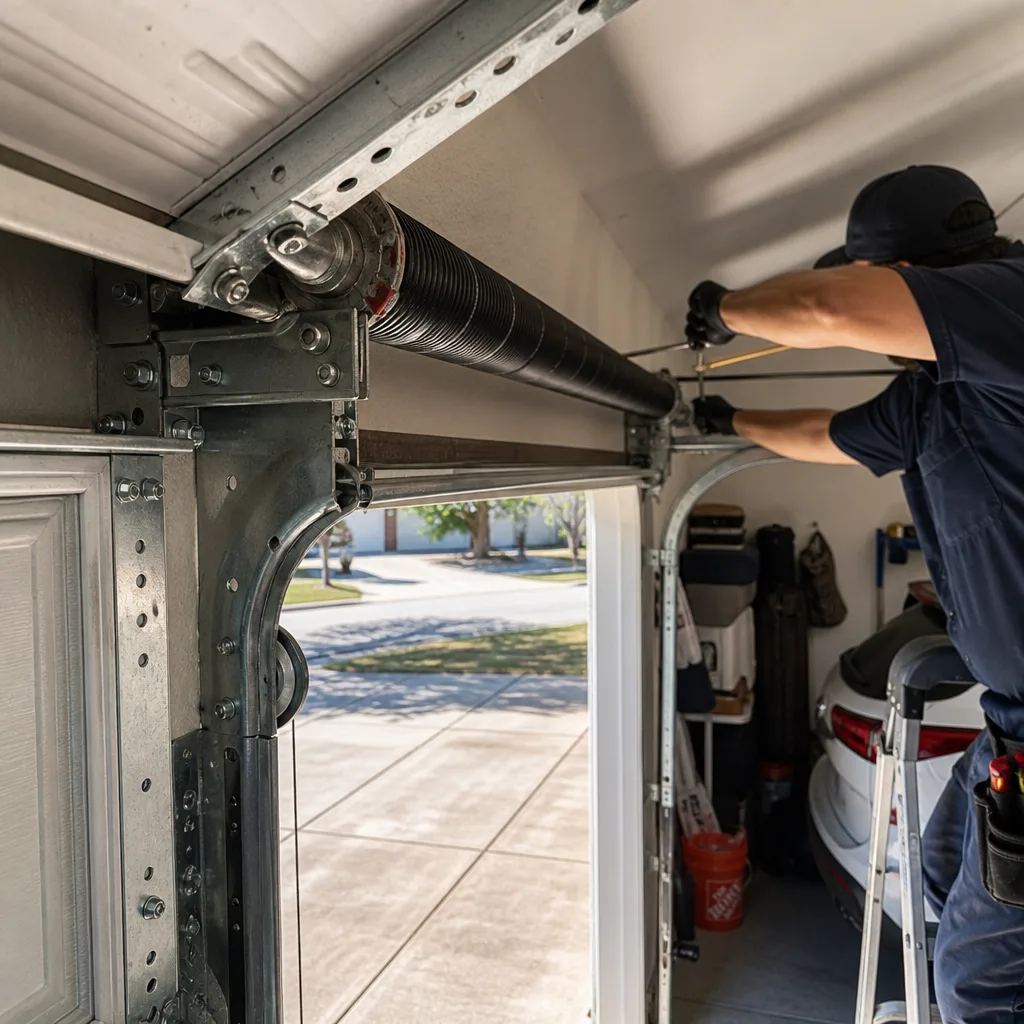 After
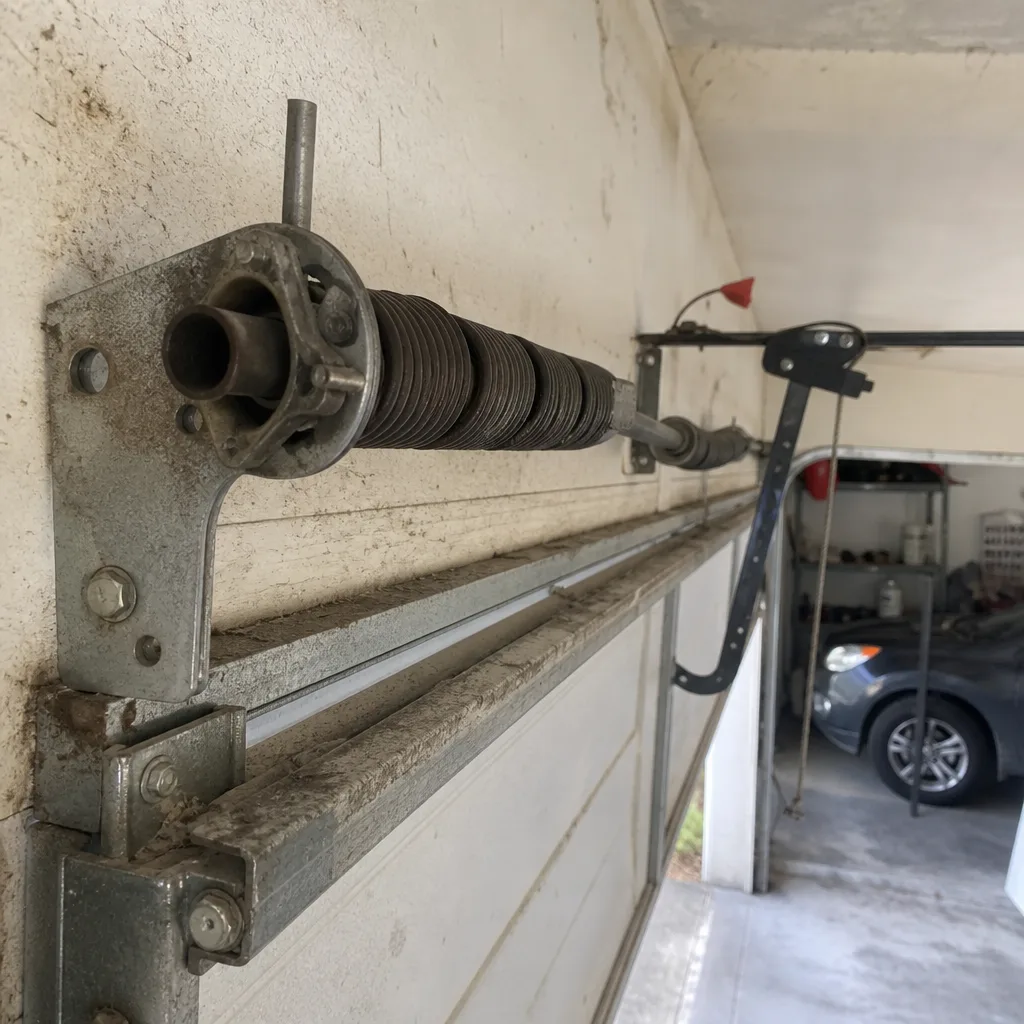 Before
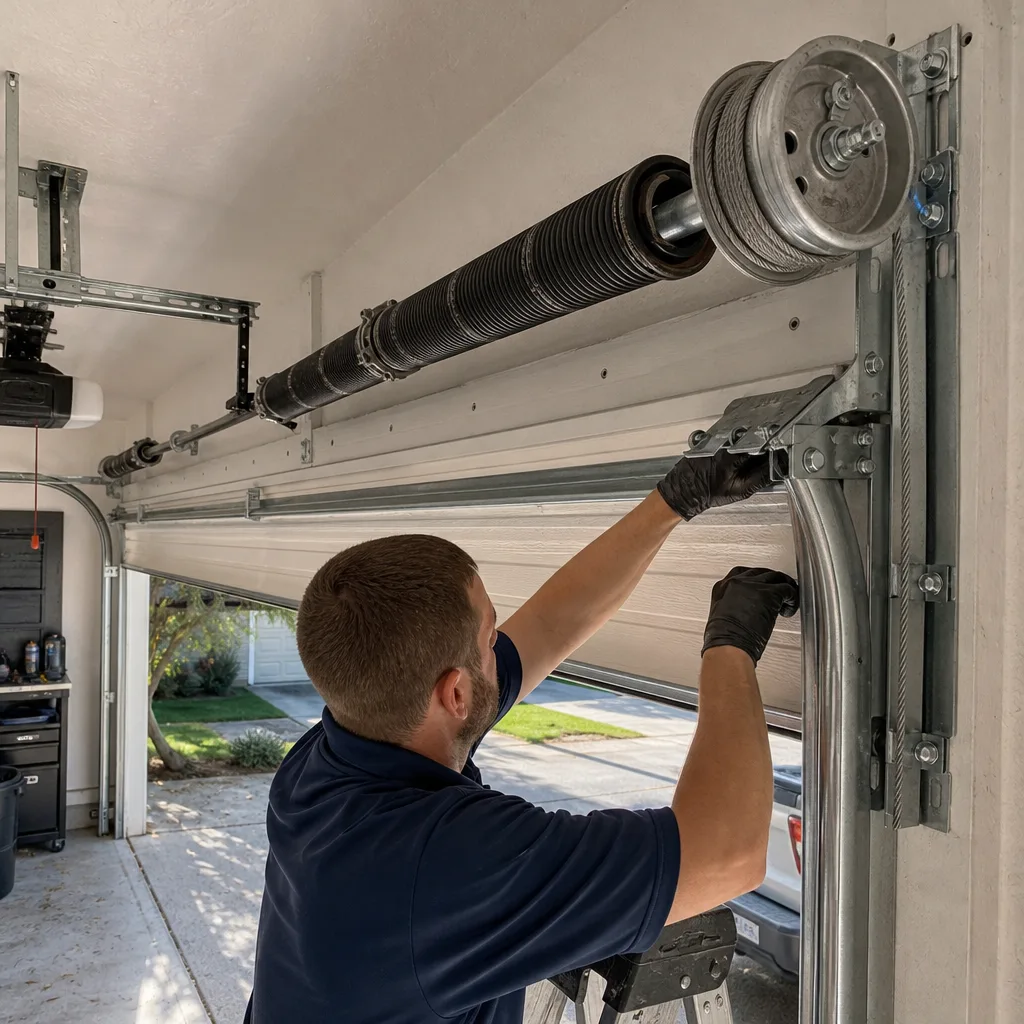 After