
Last updated October 31, 2026
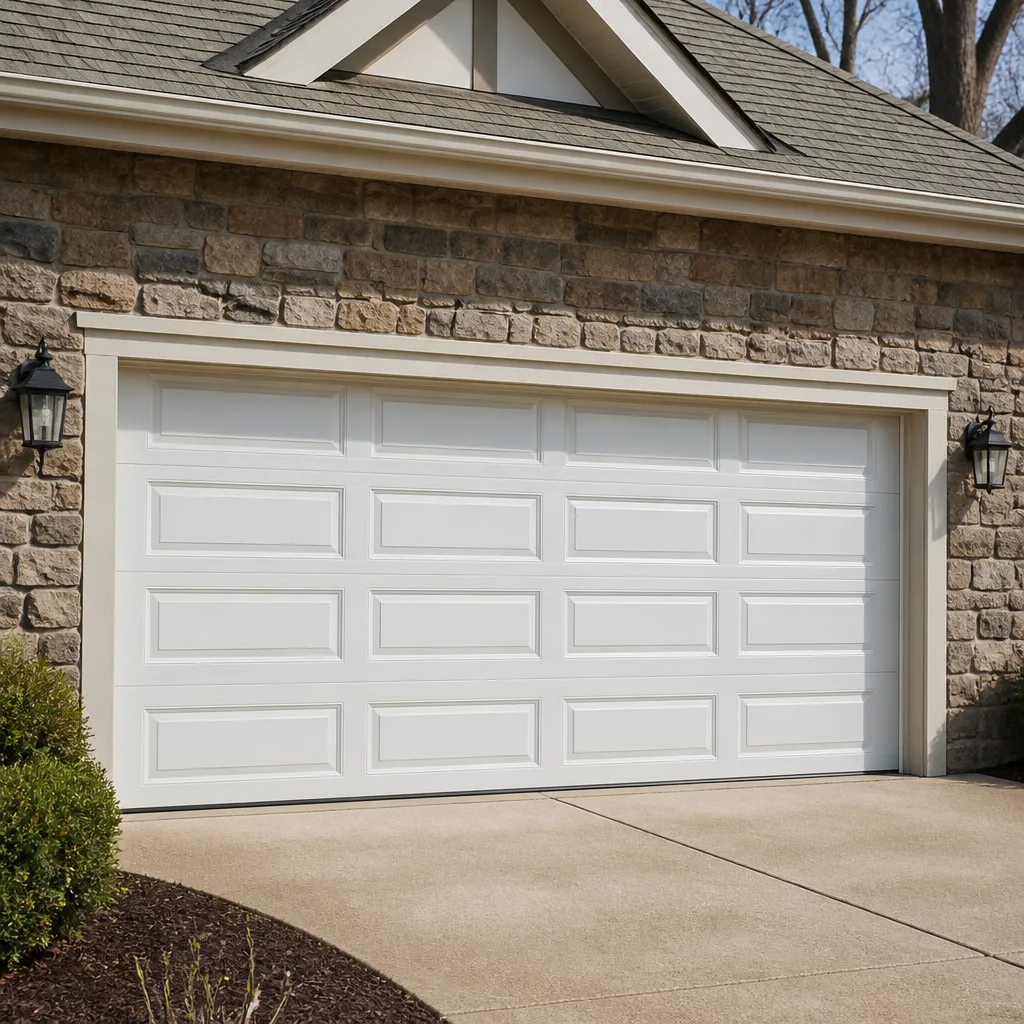 Raised-panel steel
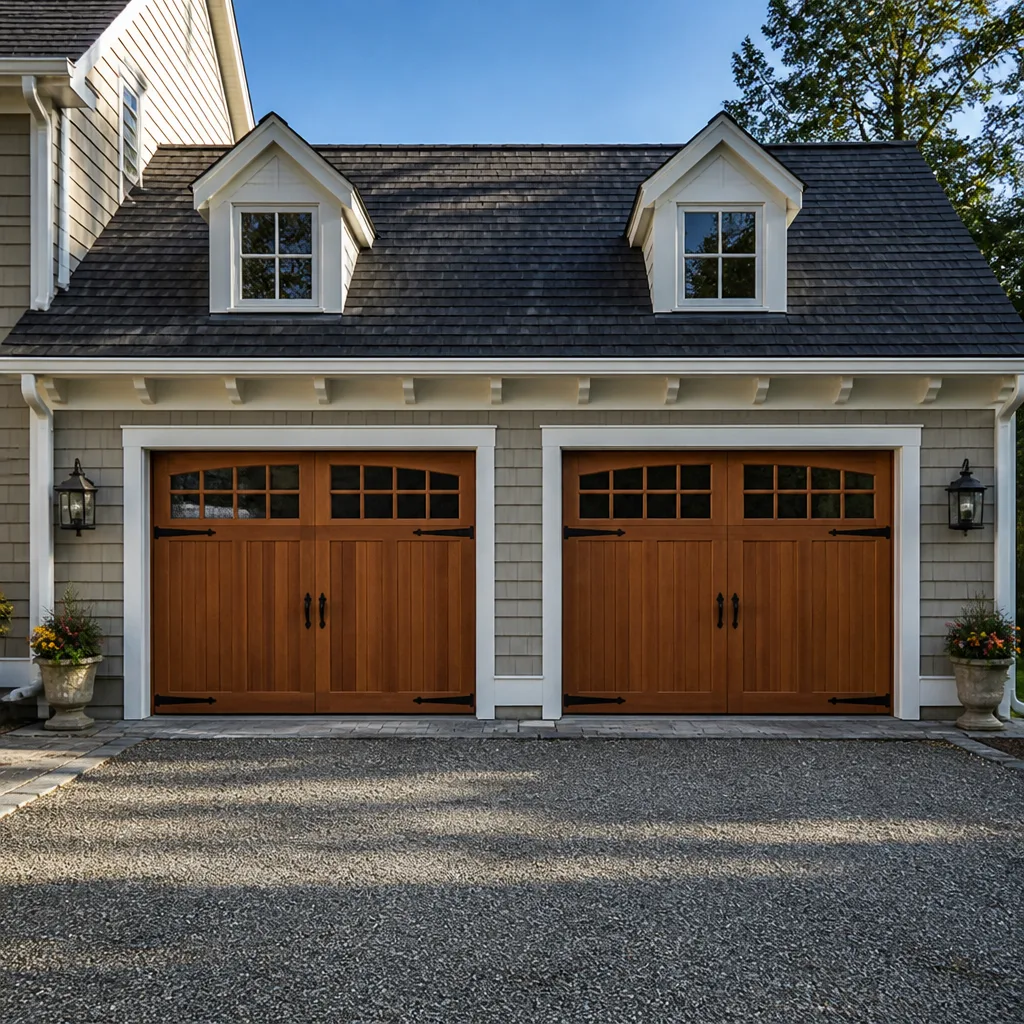 Carriage house
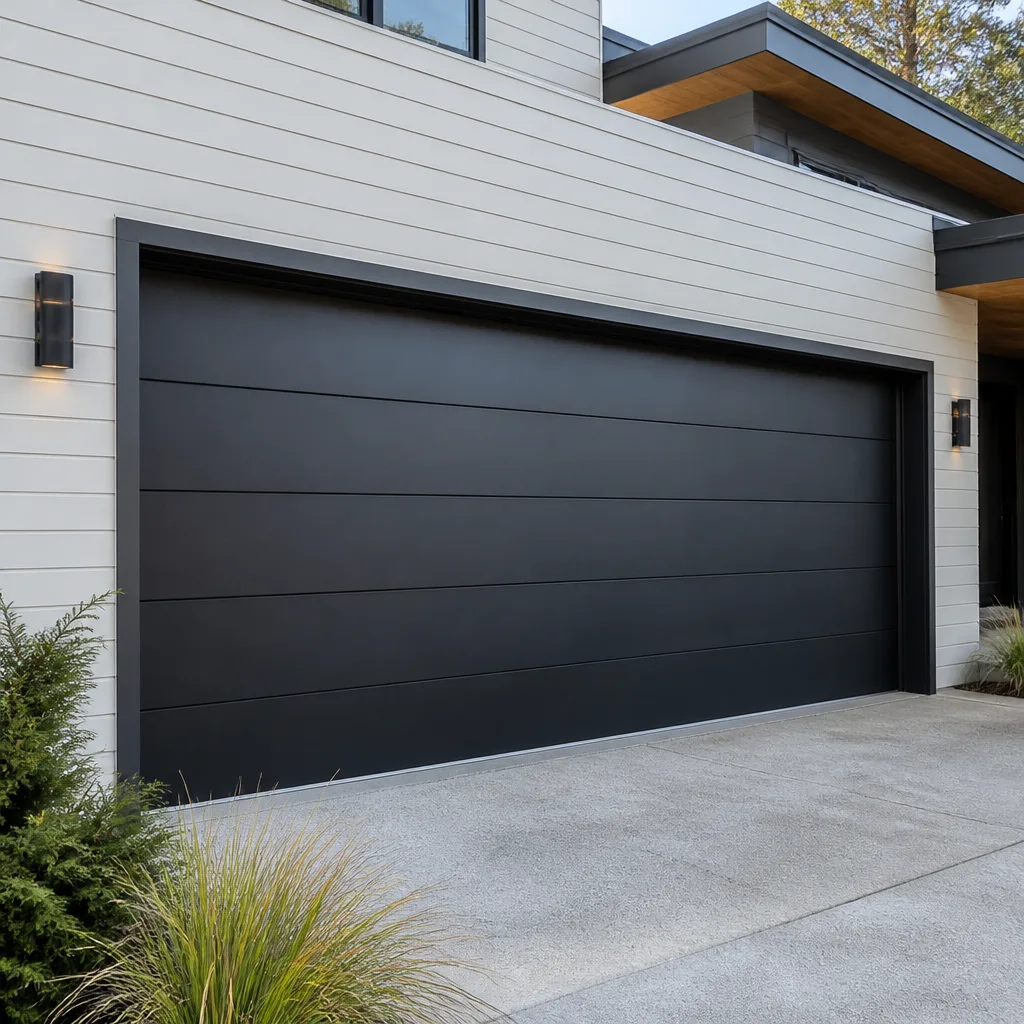 Modern flush
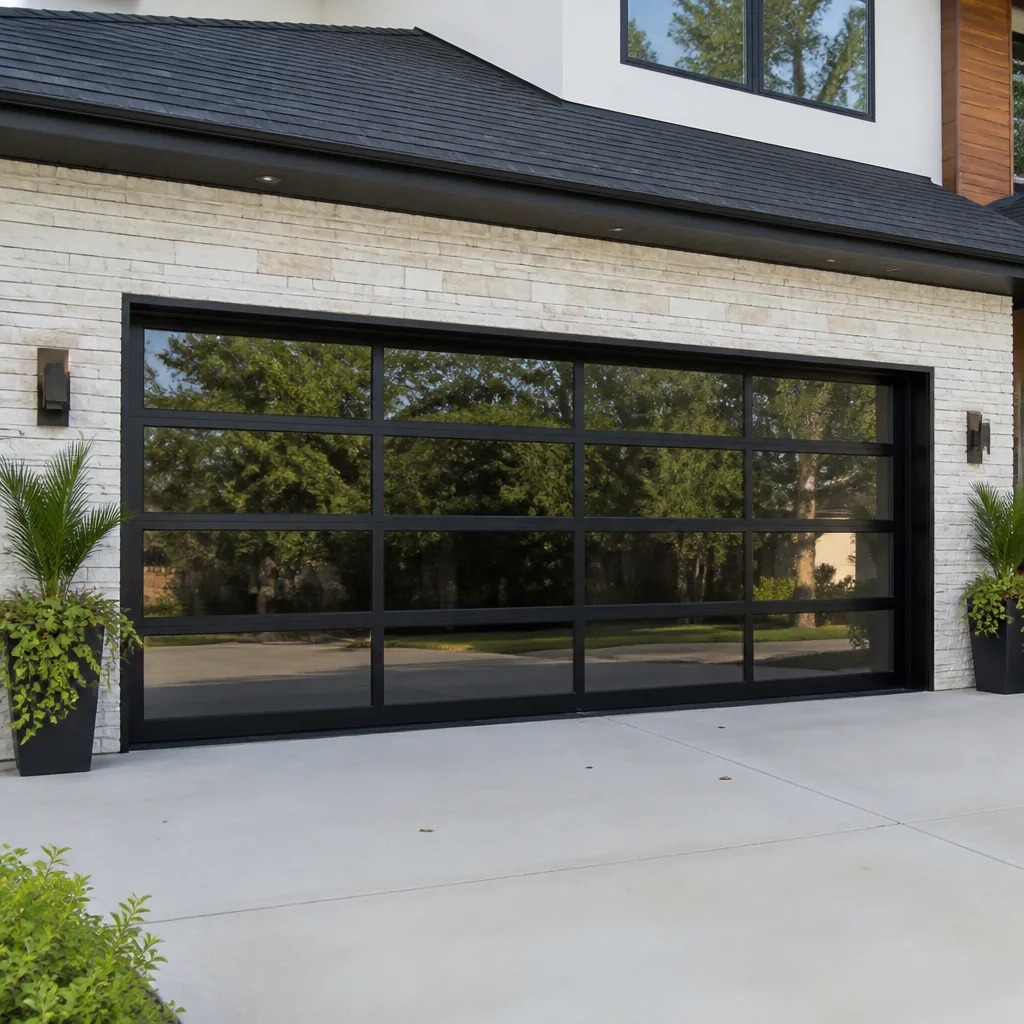 Full-view glass
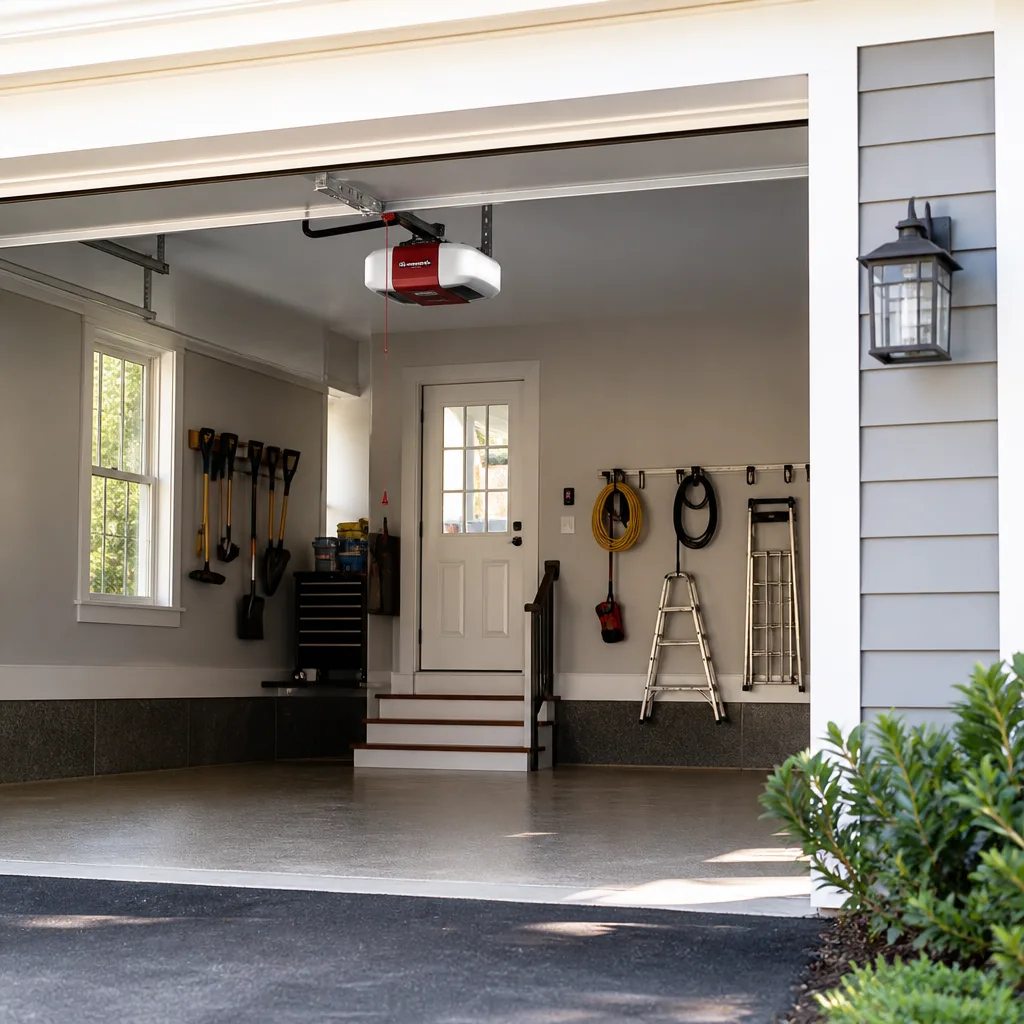 LiftMaster openers
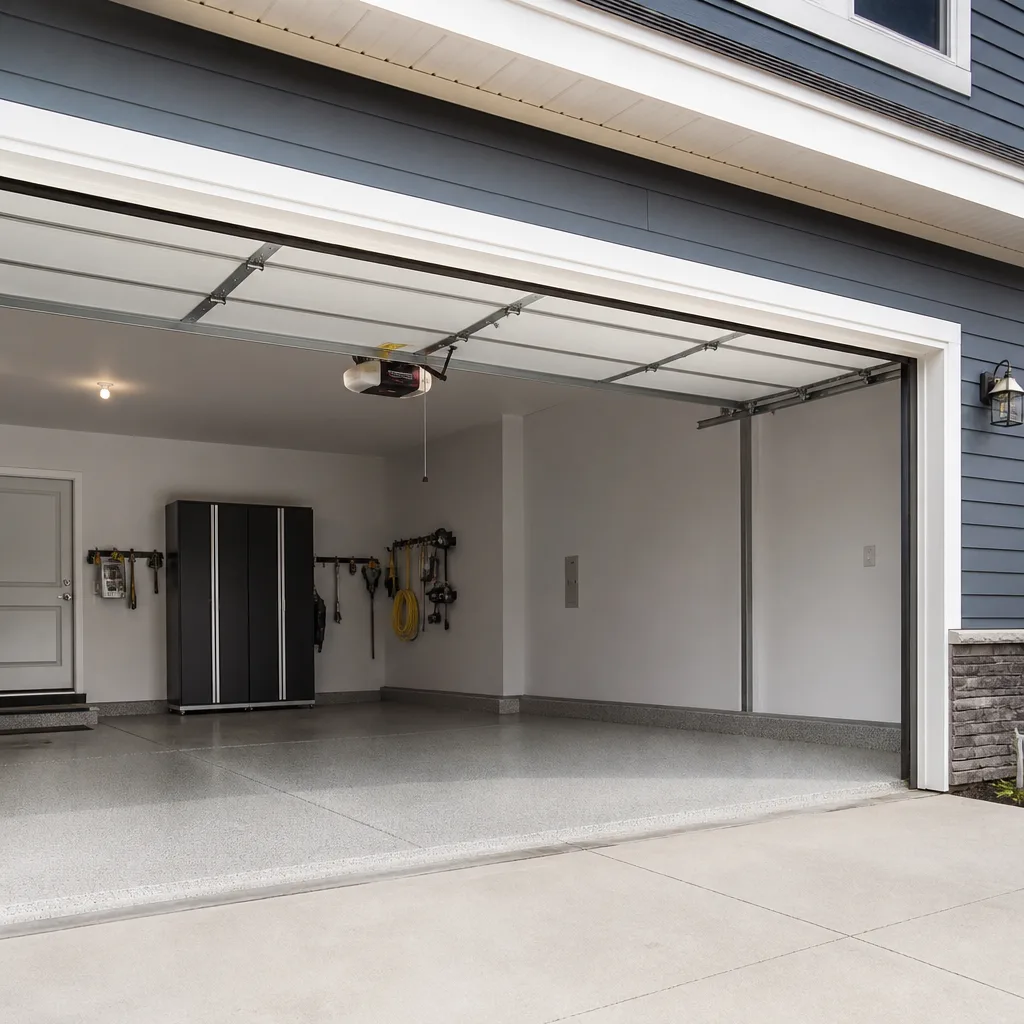 Chamberlain openers
Full 25-point door and opener safety check with every visit - springs, cables, rollers, tracks, and your LiftMaster or Chamberlain opener included
You get a price before we start. It does not change when the truck arrives.
Get your free estimateThe Complete Garage Door Repair Guide for Tampa Homeowners
A torsion spring rated for 10,000 cycles in a dry climate can fail years earlier in Tampa’s humidity. Most garage door repair guides were written for Phoenix or Denver, where the air is thin and dry and metal behaves predictably. Tampa is different. Our salt-heavy air, 74% average humidity, and daily summer storm cycles put garage door components under stress that national guides simply don’t account for. This guide covers what actually breaks in Tampa, when it breaks, what it costs to fix, and how to choose a repair company that won’t misdiagnose the problem. If you own a home in Tampa, your garage door will eventually need work. Knowing what to expect beforehand saves you money and frustration.
Quick Answer
Garage door repair in Tampa typically costs between $150 and $400 for most component replacements, with torsion spring replacement running $180 to $340 and opener repair averaging $120 to $350 depending on the failure. The humidity and salt air mean springs, cables, and rollers in coastal Tampa neighborhoods like Bayshore Beautiful and Davis Islands often need replacement 2 to 3 years earlier than identical parts in inland areas like New Tampa or Carrollwood. Fieldstone Garage Door Repair offers free estimates throughout Tampa and works on all major brands, including Genie, Clopay, and Amarr systems.
Styles & brands we work with
Table of Contents
- Why Tampa’s Climate Destroys Garage Doors Faster
- The Five Most Common Garage Door Repairs in Tampa
- Repair or Replace: A Tampa-Specific Decision Tree
- What’s DIY-Safe in Florida vs. What Needs a Pro
- How to Vet a Tampa Garage Door Company Through DBPR
- Tampa’s Seasonal Maintenance Calendar
- Common Mistakes to Avoid
- When to Call a Professional
- Frequently Asked Questions
Why Tampa’s Climate Destroys Garage Doors Faster
The single biggest factor in how long your garage door lasts isn’t the brand. It’s the zip code. Tampa sits in a subtropical climate zone where three environmental forces work against metal components year-round.
First, humidity. Tampa’s average relative humidity hovers around 74%, and during the wet season from June through September it rarely drops below 80%. That moisture penetrates the microscopic pores in steel torsion springs, accelerating oxidation. A spring that would last 7 to 9 years in Dallas might give you 4 to 6 in South Tampa.
Second, salt air. If you live within three miles of Tampa Bay or the Gulf, airborne chlorides settle on springs, cables, hinges, and tracks. This is why we see rusted cables in Bayshore Beautiful and Palma Ceia far more frequently than in Lutz or Temple Terrace. The salt doesn’t just corrode the surface. It creates pitting that concentrates stress on the spring wire, which is already under thousands of pounds of tension.
Third, the storm cycle. Tampa gets an average of 51 inches of rain annually, most of it in violent afternoon thunderstorms. Sudden temperature drops and wind-driven rain push water into track channels and bearing surfaces. The repeated wet-dry cycling is harder on components than constant moisture, because it flushes away protective lubricants and leaves behind mineral deposits.
The practical takeaway: when a Tampa homeowner searches “garage door repair near me” and gets a generic answer based on national averages, that answer is probably wrong for their specific block. Coastal areas of Tampa need stainless steel cables and galvanized hardware. Inland neighborhoods can often get more life from standard components. The right repair depends on where in Tampa you actually live.
The Five Most Common Garage Door Repairs in Tampa
In our experience working across Tampa, five repairs account for roughly 85% of all service calls. Here they are, in order of frequency.
1. Torsion spring replacement. Springs counterbalance the door’s weight, and they fail suddenly, usually with a loud bang that sounds like a gunshot. In Tampa, we replace springs that have snapped due to corrosion-related pitting more often than springs that have simply worn out from cycle count. A typical replacement takes 45 to 90 minutes. Expect to pay between $180 and $340 depending on spring size, wire gauge, and whether you choose standard or high-cycle springs. High-cycle springs cost more upfront but are rated for roughly twice the lifespan, which matters in Tampa’s climate. Never attempt this repair yourself. The spring is under enormous tension, and an error can be fatal.
2. Cable replacement. Cables lift the door along with the springs, and when they fray or snap, the door can jam violently or drop unevenly. Tampa’s humidity causes cable rust, especially in unprotected garages. If you see frayed strands, the cable needs replacement before it fails. This repair typically runs $150 to $200 per side and should be done in pairs, since both cables wear at roughly the same rate.
3. Roller and hinge replacement. Rollers wear out on a predictable schedule. Nylon rollers last 6 to 8 years in Tampa, steel rollers 4 to 6. When rollers fail, the door gets noisy, shakes, and eventually binds. Replacing a full set of rollers costs $90 to $160 in most Tampa neighborhoods. Hinges fail less often but can crack under repeated stress, especially on doors that are opened and closed many times a day.
4. Opener motor and gear failure. Tampa’s heat takes a toll on opener motors, particularly in garages without ventilation. The plastic drive gears inside chain-driven openers from Genie, LiftMaster, and Chamberlain strip out over time. You’ll hear the motor running but the door won’t move. Opener repair costs $120 to $350 depending on the failure, and it’s work we treat as a dedicated service, not an afterthought. Your opener is part of the system, and it gets the same diagnostic attention as the door itself. See our Garage Door Opener Repair in Tampa page for details.
5. Track misalignment and sensor issues. Track brackets loosen from vibration, and doors bind against the frame. Photo-eye sensors, which Florida code requires for safety, get knocked out of alignment by kids, bikes, and yard equipment. Sensor realignment is a quick fix, usually $75 to $100 with a service call included. Track realignment can run $125 to $200.
Repair or Replace: A Tampa-Specific Decision Tree
Many Tampa homeowners face a version of this question: “Should I fix this door again, or replace it?” The answer depends on more than the repair cost. Here’s a step-by-step framework we use with customers.
- Check the panel material and age. Steel doors in Tampa last 15 to 20 years if maintained. Wood doors, particularly in humid, insect-heavy areas like Seminole Heights or Riverside Heights, can rot from the bottom up in 8 to 12 years. If the bottom panel is soft, rusted through, or showing signs of termite damage, replacement is probably the better long-term move.
- Total up repairs over the last three years. If you’ve spent more than $600 on springs, cables, rollers, and track work since 2021, and the door still misbehaves, you’re resurfacing a failing system. A new door installation resets the clock.
- Look at storm readiness. Florida building code requires wind-load ratings for garage doors, particularly in coastal and inland wind zones. If your door predates the 2007 code update or carries no wind-load certification, replacing it with a code-compliant model isn’t just about function. It’s about insurance and safety during hurricane season. Doors that fail under wind pressure can blow out, pressurizing the home and lifting the roof.
- Consider the opener age. If your door is near end of life and the opener is over 10 years old, replacing both at once saves labor. A new install done by one company is more efficient than separate service calls. We cover both paths on our Garage Door Installation in Tampa page.
- Ask what a full replacement actually buys. New doors offer better insulation, quieter operation, and modern safety features. For Tampa, the insulation matters: an uninsulated steel door in a direct-sun garage can hit 130 degrees in August, and that heat transfers into the home. R-12 to R-18 insulated doors make a measurable difference in cooling load, especially for garages attached to living space.
The general rule: if the repair is under $400 and the door is under 12 years old, repair it. If the repair exceeds 50% of a new door’s installed cost, or the panels are structurally compromised, replacement is the financially literate choice.
What’s DIY-Safe in Florida vs. What Needs a Pro
Some garage door maintenance tasks are genuinely safe for a careful homeowner. Others carry risk of serious injury or violate Florida code if done wrong. Here’s the honest split.
DIY-safe tasks:
- Lubricating rollers, hinges, and springs. Use a white lithium grease spray on metal parts and a silicone-based lubricant on nylon rollers. Do this every 6 months. In Tampa, the humidity washes away lubricant faster, so twice-yearly is the right cadence for most homes.
- Cleaning and aligning photo-eye sensors. Wipe the lenses with a dry cloth. Use a level to check the brackets. If the green light is steady on both sensors, they’re aligned. If one is blinking, adjust the bracket until both lights are steady.
- Tightening visible bolts and track brackets. Vibration loosens hardware over time. A socket wrench on the track brackets while the door is fully closed is safe and takes 10 minutes.
- Testing the auto-reverse function. Lay a 2×4 flat under the door and close it. The door should reverse within 2 seconds of contact. Florida law and federal safety standards require working auto-reverse on all openers installed after 1993. Test this monthly.
Tasks that need a trained professional:
- Torsion spring replacement. This is the highest-injury repair in residential construction. The spring holds thousands of pounds of torque. The winding bars can slip, the spring can snap, and the injuries are catastrophic. Do not attempt this. Call a professional who does this work daily.
- Cable replacement. Cables are connected to the spring system. If you remove a cable without releasing the spring tension correctly, the bracket can launch across the garage.
- Track realignment. Hammering a track back into place changes the geometry of the entire lift system. A misaligned track forces the door against the frame, wearing rollers and stressing hinges. This needs adjustment, not force.
- Any electrical work on the opener. The capacitor inside an opener motor stores charge even when the unit is unplugged. It can deliver a shock that causes serious injury. Board-level repairs belong with someone who understands the circuit diagram.
The line between safe and dangerous is simple: if the part is under spring tension, or it’s connected to the spring system, or it has a capacitor, it’s not DIY territory. Our Garage Door Repair in Tampa page covers the full scope of work we handle for homeowners who’d rather not risk it.
How to Vet a Tampa Garage Door Company Through DBPR
Most homeowners start with Google reviews. That’s reasonable, but reviews don’t tell you whether a company is licensed, insured, or has pending complaints. In Florida, garage door repair companies are not required to hold a specialty contractor license, which makes independent verification more important.
Here’s how to vet a company in Tampa before you schedule anything.
- Check the name against the Florida DBPR. The Department of Business and Professional Regulation maintains a searchable database of licensed contractors. While garage door work doesn’t require a state contractor license, any company that also performs structural work or electrical upgrades should hold relevant credentials. A company that appears in DBPR with active status has passed background and insurance checks that unlicensed operators skip.
- Verify insurance directly. Ask for a certificate of insurance and call the carrier to confirm the policy is active. A company that hesitates on this request is not one you want on your property.
- Look for a physical address in Tampa or Hillsborough County. A working garage door company should have a shop, a stocked truck, and a local presence. Out-of-state call centers that dispatch subcontractors are common in the Tampa market and produce inconsistent work.
- Ask about brand-specific experience. A technician who has never worked on a Wayne Dalton TorqueMaster system may struggle with the spring assembly, because it’s fundamentally different from a standard torsion setup. Companies that work across multiple brands, including Genie, Clopay, and Amarr, see more configurations and diagnose faster.
- Get the quote in writing before work starts. Never accept a verbal quote on a repair this important. A written estimate with the part, the labor, and the total protects you from price shifts. This is non-negotiable.
At Fieldstone Garage Door Repair, we quote every job before we touch the door. The price we show you is the price you pay, agreed in writing before any work begins.
Tampa’s Seasonal Maintenance Calendar
Tampa doesn’t have winter, but it has two distinct seasons that matter for garage doors: the dry season and the wet season. Your maintenance schedule should follow them.
November through April (Dry Season)
- November: Wash the exterior of the door with mild soap and water to remove accumulated salt and grime. Inspect the bottom seal. Replace if cracked or compressed.
- December: Lubricate all moving parts. The cooler, drier air is ideal for lubricant to penetrate before the humidity returns.
- January: Test the auto-reverse function and check photo-eye alignment. Cold fronts moving through Tampa cause temperature fluctuations that can shift brackets.
- February: Inspect springs and cables for surface rust. If you see pitting on the spring wire, schedule a replacement before it snaps.
- March: Tighten all track bolts and roller brackets. Check the door balance by disconnecting the opener and lifting the door manually. It should hold at waist height without drifting.
- April: Check weatherstripping around the jamb. Replace any torn or brittle sections before the rains start.
May through October (Wet Season)
- May: Inspect the garage for flood-readiness before the hurricane season officially begins on June 1. Confirm the garage door is wind-load rated if you’re in a wind zone.
- June: After the season’s first heavy storms, check for water intrusion along the bottom seal and jambs. Wipe down tracks after any door operation during a storm.
- July and August: Peak heat and humidity. Lubricate more frequently, every 60 to 90 days. Check opener motor temperature if the garage is not climate controlled.
- September: The statistical peak of hurricane season. Run a full inspection of springs, cables, rollers, and the opener. Resolve any issues before a storm closes your window to get service.
- October: Post-storm inspection. Look for water stains, rust bloom, or debris lodged in the track. Address any new squeaks or grinding noises immediately.
This calendar keeps a Tampa garage door running on its full expected lifespan, and it reduces the odds of a Saturday-morning spring snap that leaves your car trapped inside.
Common Mistakes to Avoid
- Using WD-40 on garage door rollers. WD-40 is a solvent, not a lubricant. It strips away existing lubrication and accelerates wear. Use white lithium grease on metal or silicone spray on nylon. In Tampa’s humidity, the wrong spray makes a noisy door louder within weeks.
- “The spring snapped, but I’ll still open the door manually.” Don’t. A door with a broken spring weighs 150 to 250 pounds and can slam down with enough force to injure or kill. Disconnect the opener and leave the door closed until a technician arrives.
- Replacing only one spring. Springs are matched in pairs and wear at the same rate. If one snapped, the other is near failure. Replacing only the broken spring guarantees a second service call within months, with a second trip fee. We replace both.
- Ignoring a slow opener cycle after a power surge. Tampa’s afternoon lightning storms routinely cause power surges. If your opener runs slowly or erratically after a storm, the logic board may be damaged. Continuing to operate it can burn out the motor entirely. Get it checked before it becomes a full replacement.
- Skipping the DBPR check. Florida’s permitting environment is looser than most states, and unlicensed operators are common in the Tampa metro. A few minutes checking company credentials protects you from bad work and liability issues.
- Painting over a rusted bottom panel. Once rust has eaten through the panel, a coat of paint hides the damage without fixing it. The panel loses structural integrity and the rust continues underneath. If the bottom panel is perforated, replace it or the door.
- Deferring spring replacement because “it still works.” A spring that’s visibly stretched or rusted is on its last cycle. Springs don’t fail gracefully. They snap without warning, often while your car is inside. If you see rust pitting or an expanded coil gap, replace it now, not on a Sunday night.
When to Call a Professional
Call a garage door professional in Tampa when the spring snaps, when a cable frays, when a track bends, when the opener runs but the door doesn’t move, or when you notice any rust on load-bearing components. These failures don’t self-correct. They worsen under load, and they tend to fail at the worst possible moment, which in Tampa is usually during a rainstorm with your car in the garage. You should also call a professional for any repair involving spring tension, cable routing, or electrical components inside the opener housing. These systems hold enough stored energy to cause permanent injury or death. A trained technician has the right tools, the right replacement parts, and the pattern recognition from hundreds of prior Tampa repairs. Fieldstone Garage Door Repair offers free estimates throughout Tampa. Call (855) 360-5925 and we’ll give you an honest diagnosis and a written quote before any work starts.
Frequently Asked Questions
How much does garage door repair cost in Tampa?
Most garage door repairs in Tampa cost between $150 and $400, with torsion spring replacement at $180 to $340 and opener repair at $120 to $350. The exact price depends on the component, the door size, and the brand of the existing hardware. Always get the quote in writing before work begins, and confirm the price covers both parts and labor. Call (855) 360-5925 for a free estimate on your specific repair.
Why do garage door springs break so often in Tampa?
Tampa’s 74% average humidity causes microscopic pitting on steel spring wire, which concentrates stress and leads to premature fatigue failure. Springs in coastal neighborhoods like Davis Islands and Bayshore Beautiful fail 2 to 3 years earlier than identical springs in drier climates because salt air accelerates corrosion. High-cycle springs with protective coatings last longer in Tampa conditions.
How long should a garage door spring last in Florida?
A standard torsion spring rated for 10,000 cycles typically lasts 6 to 8 years in Tampa, compared to 8 to 12 years in a dry climate. High-cycle springs rated for 20,000 to 30,000 cycles can last 10 to 15 years in Tampa. The cycle rating matters more in Florida than anywhere else because humidity and salt shorten the usable life of standard springs.
Can you fix a garage door opener the same day in Tampa?
Opener repair in Tampa usually can be scheduled within 24 to 48 hours, and many component failures, like stripped gears or bad capacitors, can be diagnosed and repaired in a single visit. The technician needs to see the unit to determine whether the board, motor, or drive mechanism failed. Call (855) 360-5925 and we’ll diagnose the issue quickly.
Does a new garage door in Tampa need to meet hurricane code?
Yes. Florida building code requires wind-load ratings for garage doors, especially in coastal wind zones. If you’re replacing a door in Tampa, the new unit must meet the current Florida Building Code wind standards for your specific location. Non-compliant doors can fail under storm pressure, pressurizing the home and causing catastrophic structural damage.
What’s the best garage door brand for Tampa’s humidity?
For Tampa’s humidity and salt air, we recommend doors with galvanized steel hardware and corrosion-resistant tracks. Amarr and Clopay both manufacture doors with rust-resistant coatings and warranty coverage that applies to coastal installations. The brand matters less than the material specification: choose galvanized or stainless hardware, and avoid uncoated steel components wherever possible.
The Bottom Line
Garage door repair in Tampa isn’t the same as garage door repair anywhere else. The humidity, the salt air, and the summer storm cycle compress the lifespan of every metal component on your door. Springs that would last a decade in a drier climate fail in six years here. Cables that would never rust in Arizona pit and fray in Bayshore Beautiful. The key to keeping your garage door running in Tampa is understanding this accelerated timeline, maintaining the door on a seasonal schedule built around the wet and dry seasons, and choosing a repair company that quotes honestly and works on your brand of equipment without pushing a product line. The right fix the first time is the standard that matters. Fieldstone Garage Door Repair home serves the entire Tampa area with free estimates and upfront written quotes. Call (855) 360-5925 when your door needs work, or when you just want an honest assessment of what’s left in it.
Written by the team at Fieldstone Garage Door Repair, serving Tampa since 2013.
See the difference
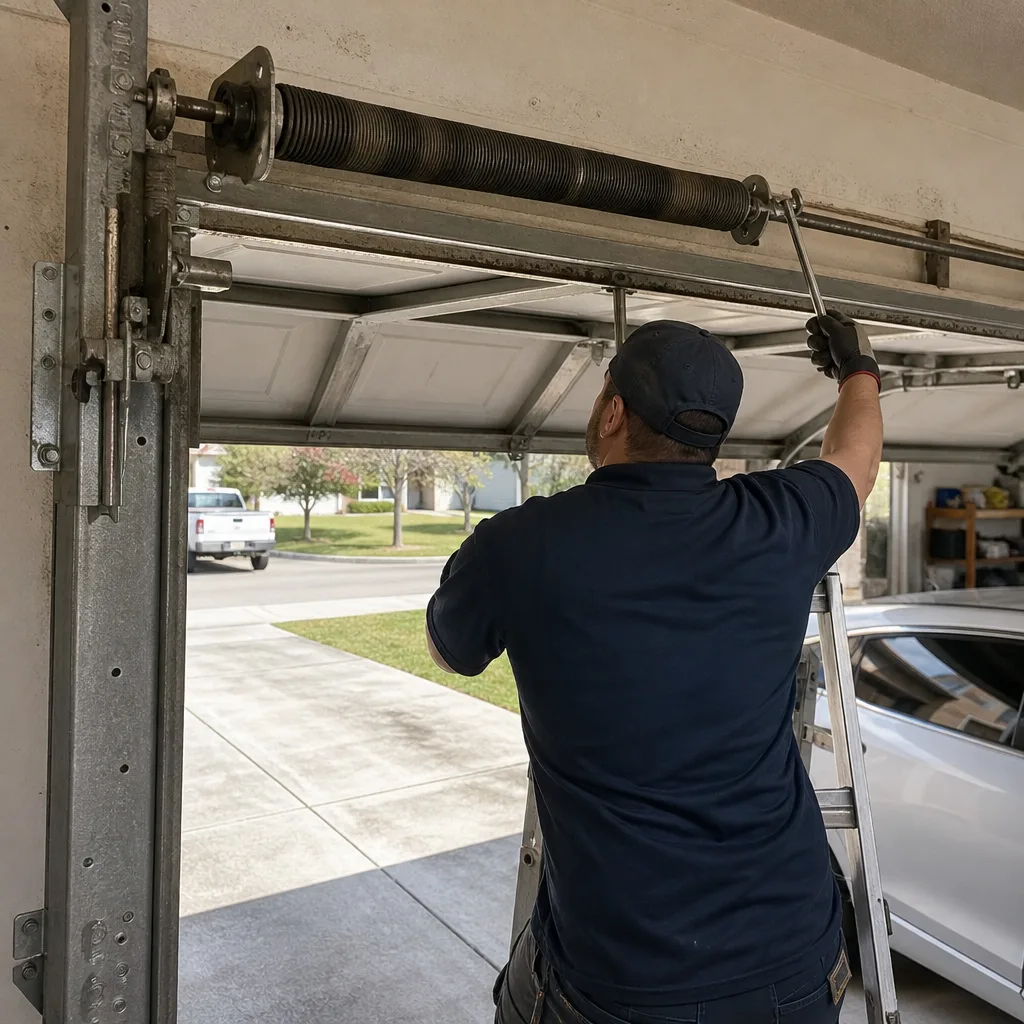 Before
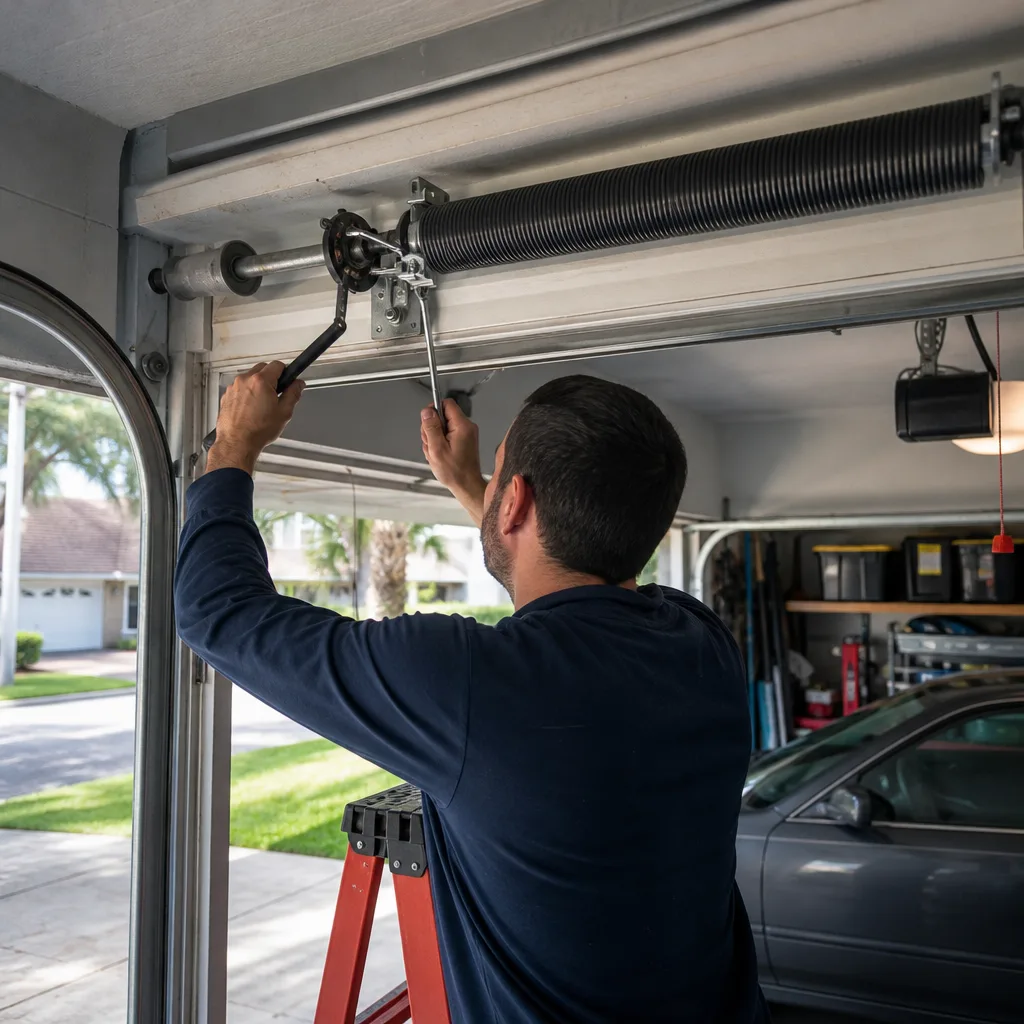 After
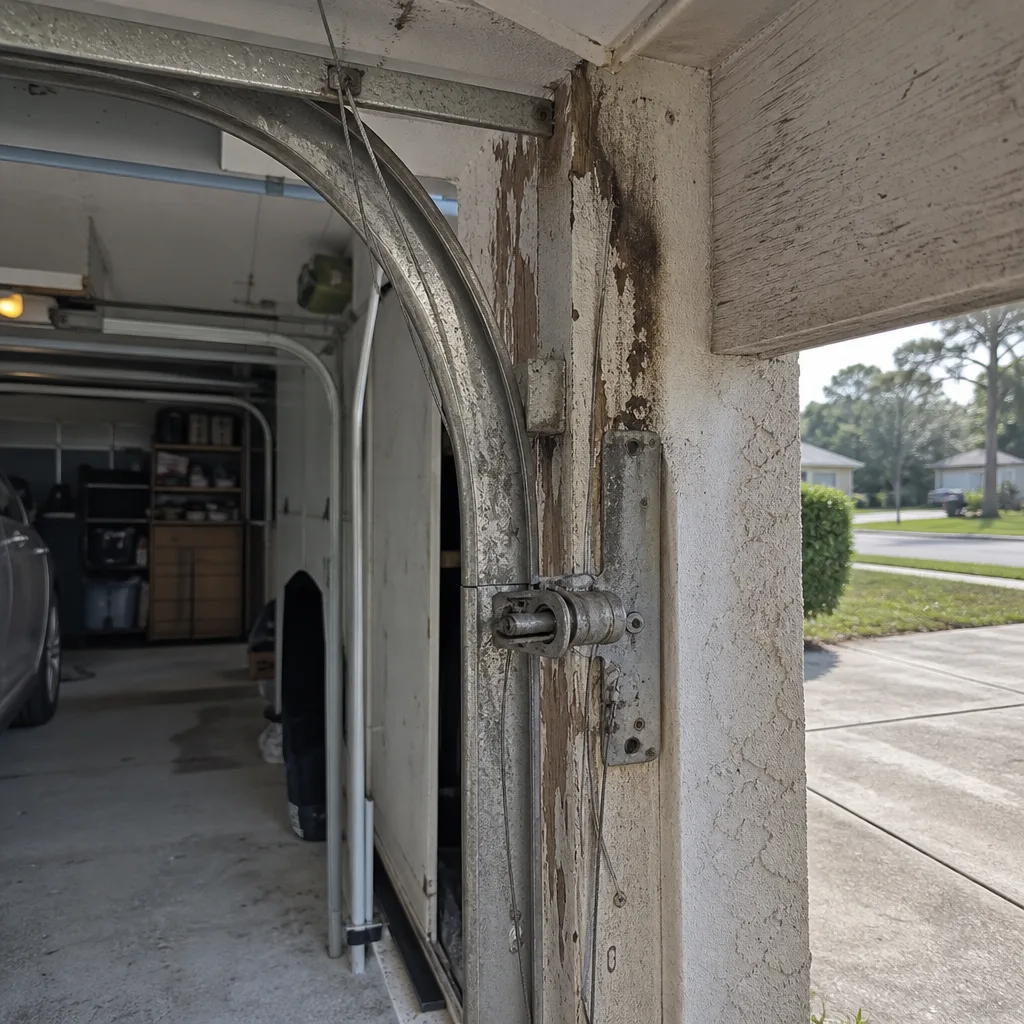 Before
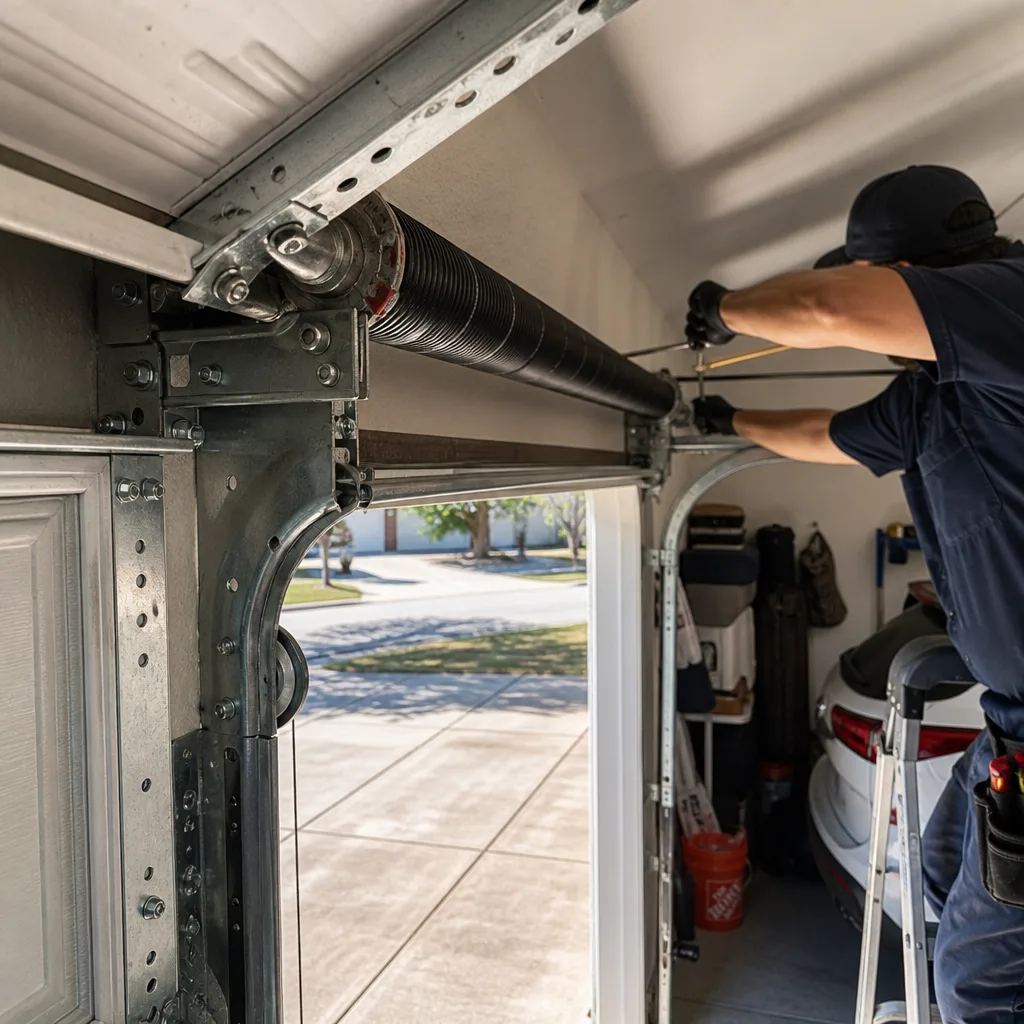 After
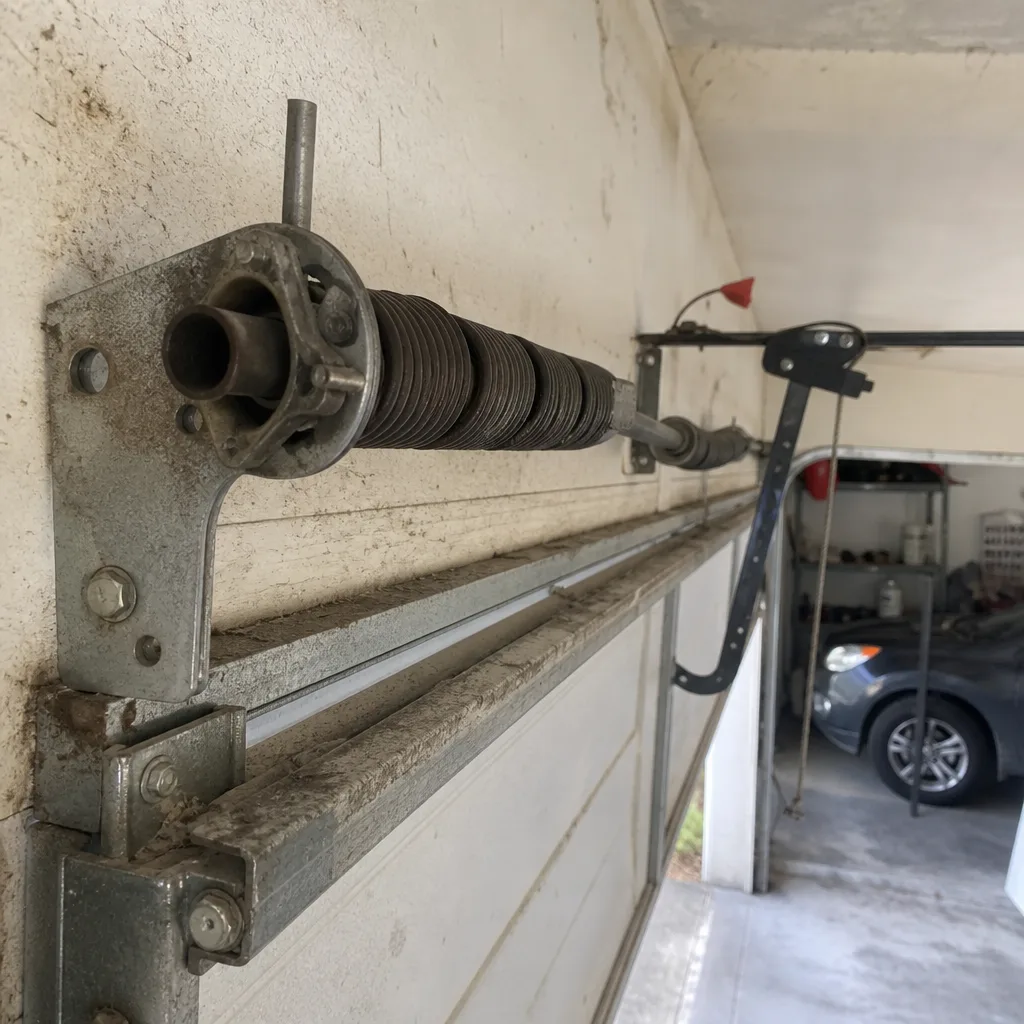 Before
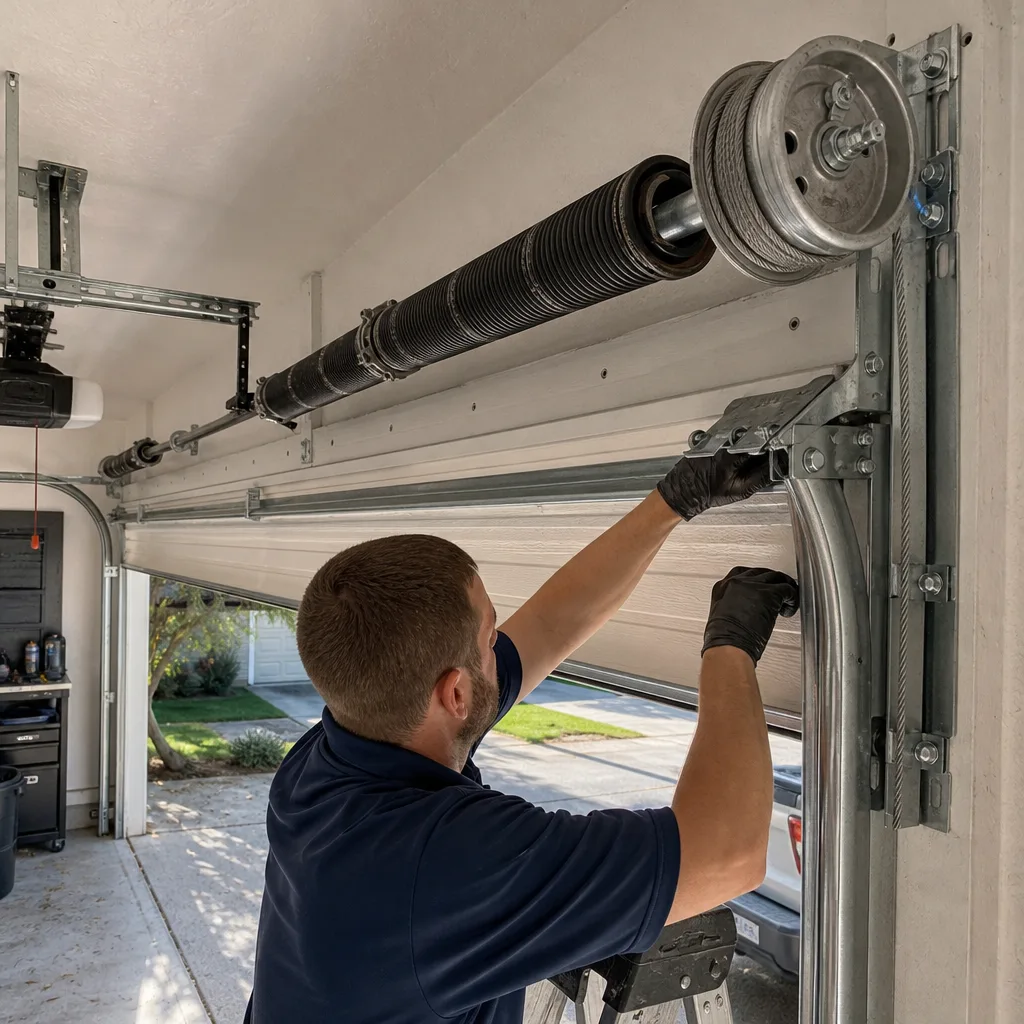 After