
Last updated October 31, 2026
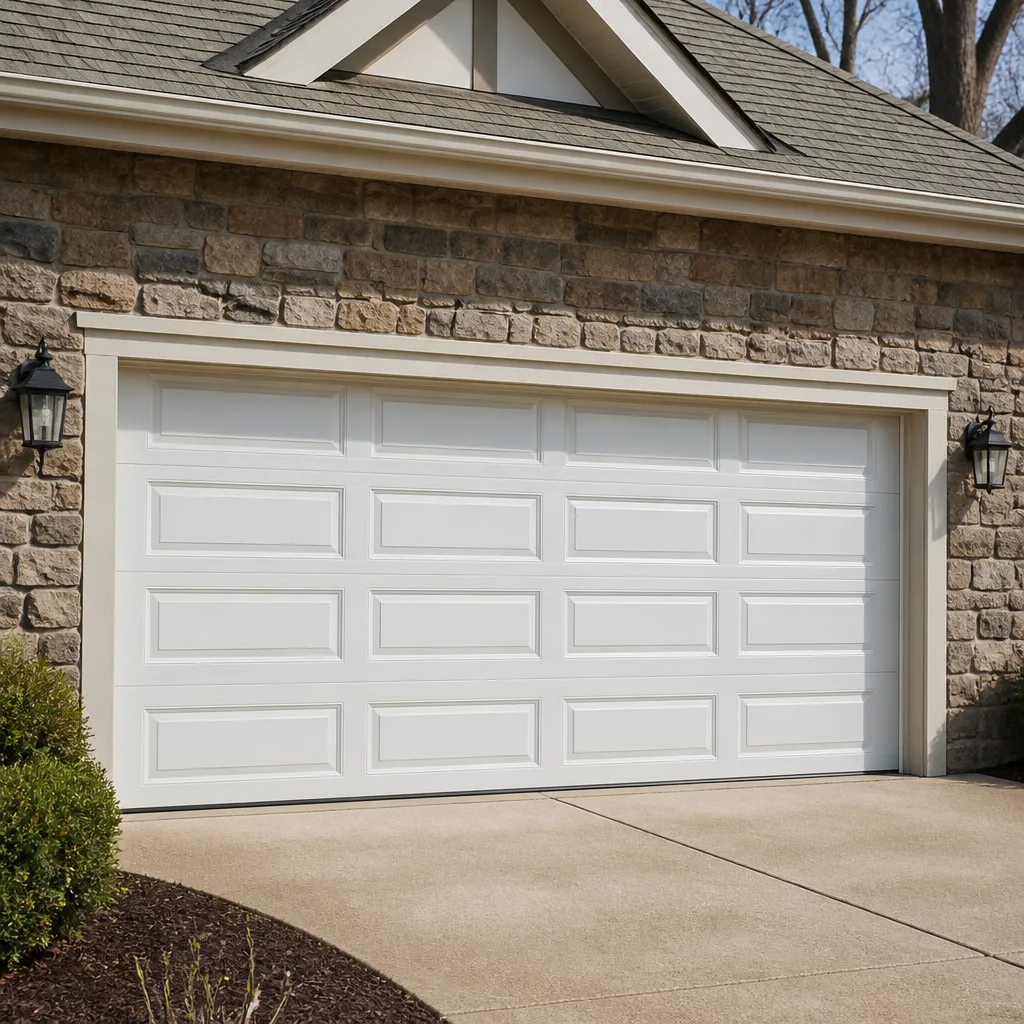 Raised-panel steel
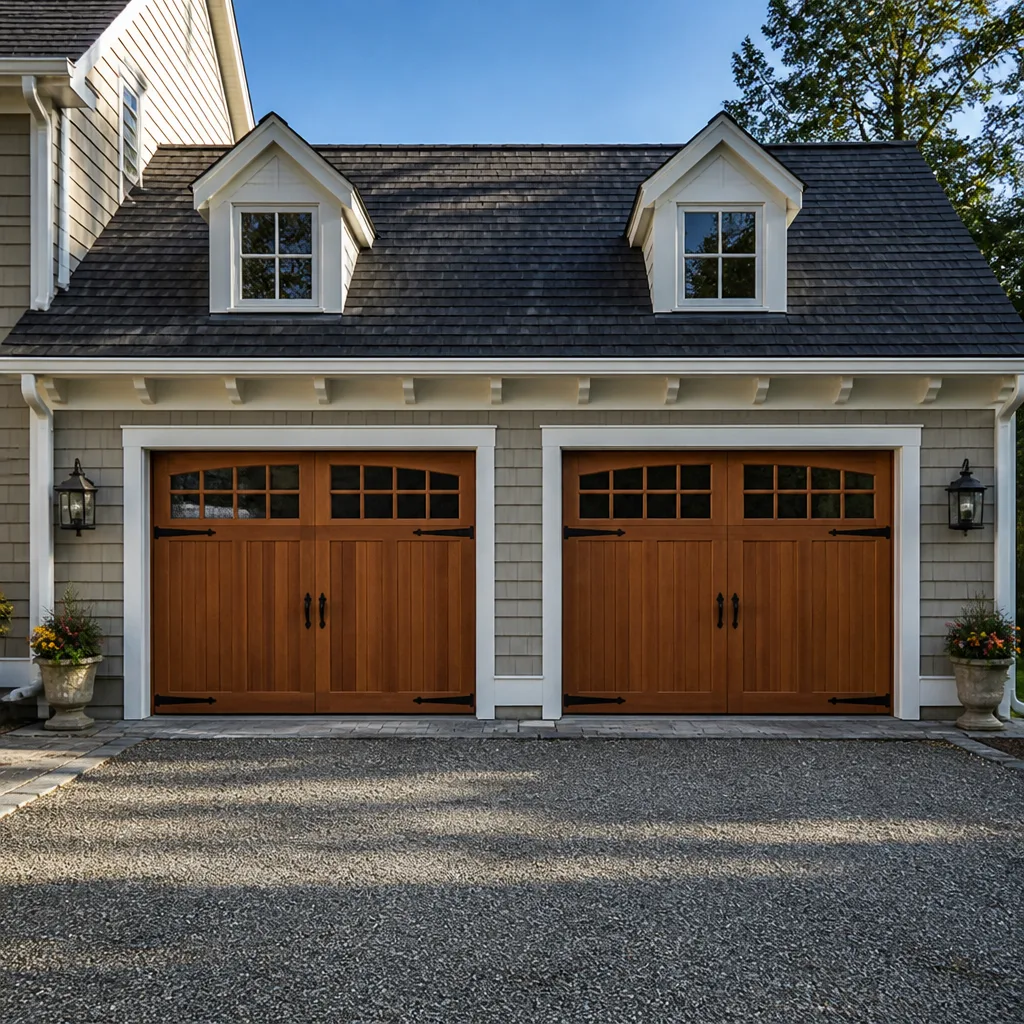 Carriage house
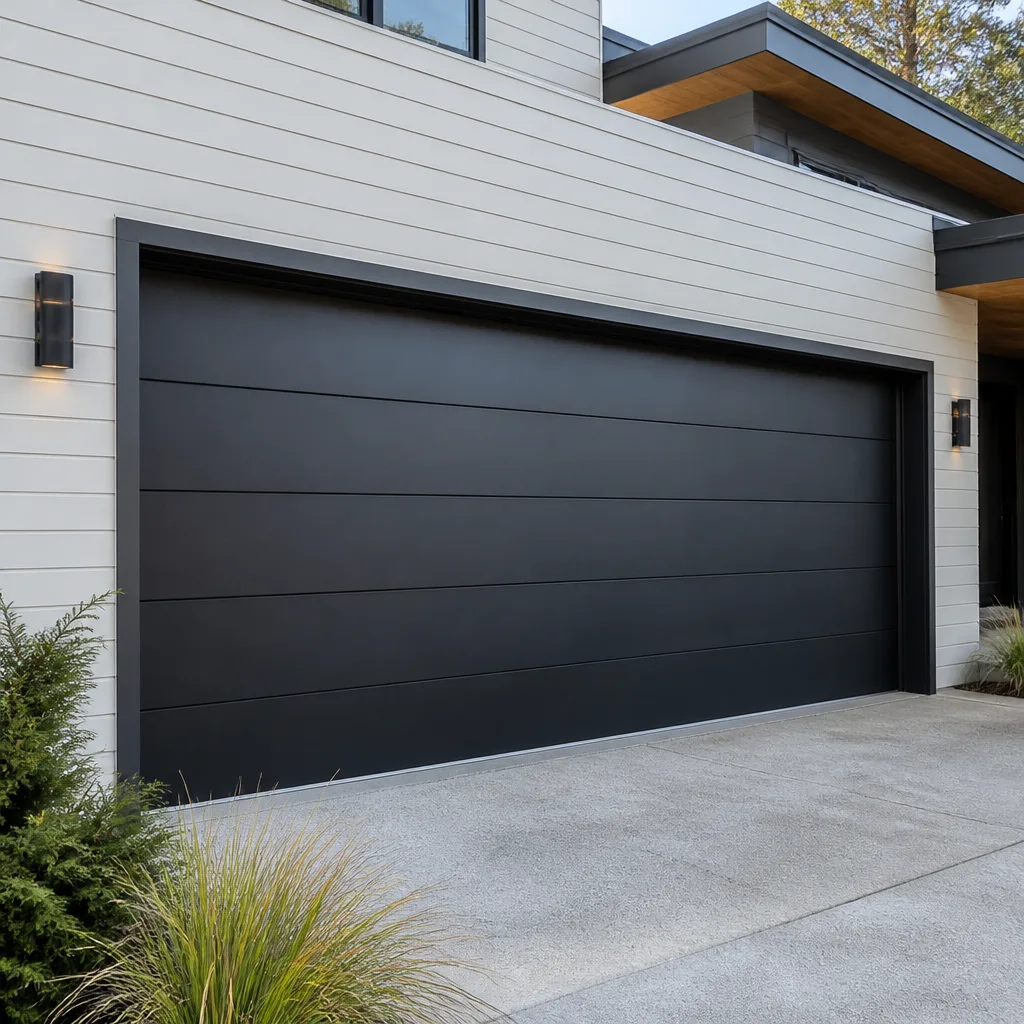 Modern flush
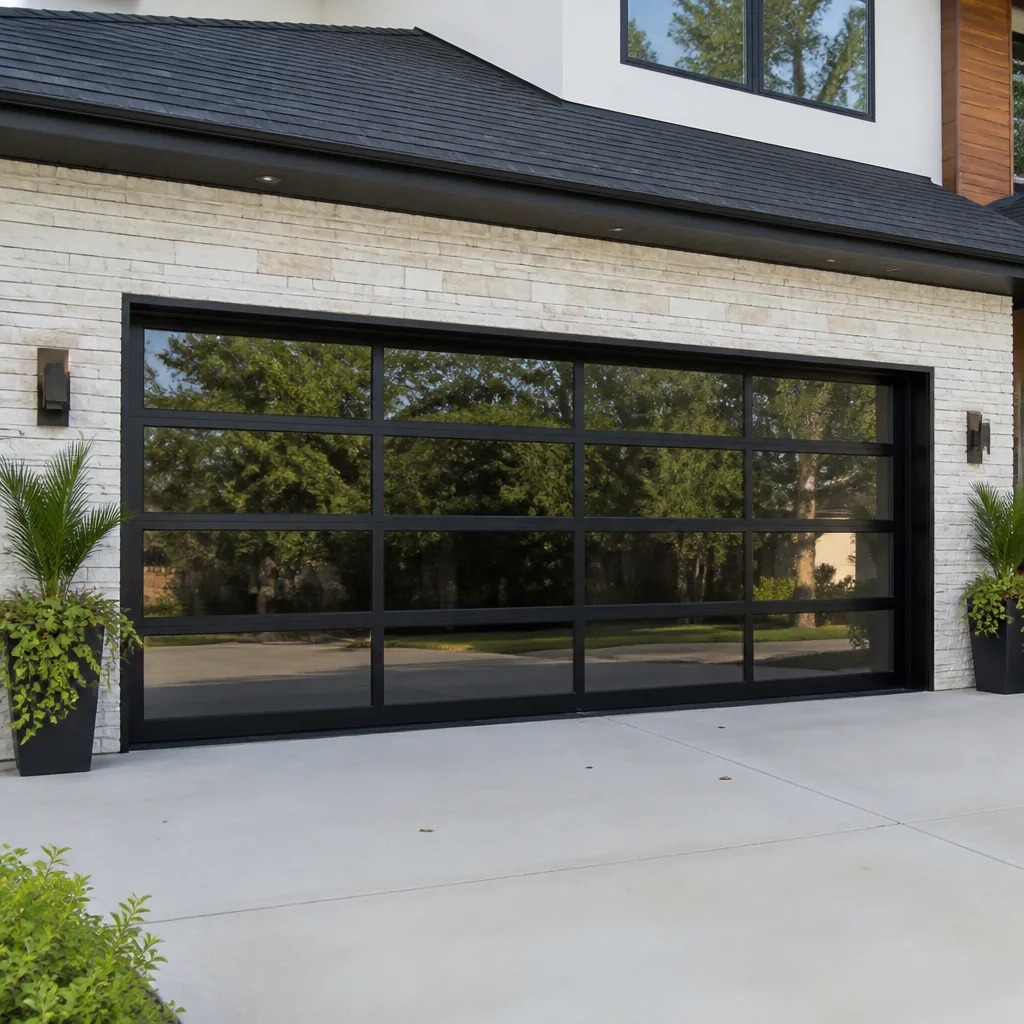 Full-view glass
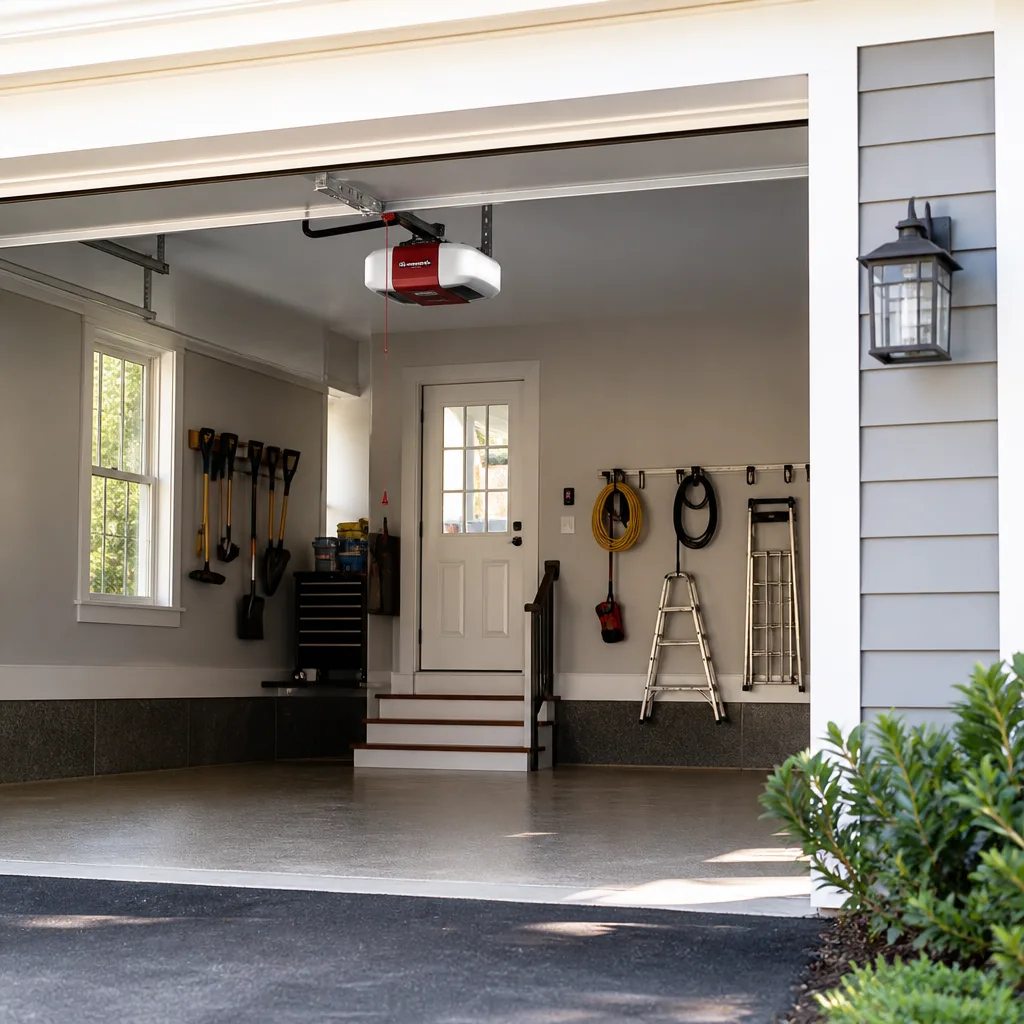 LiftMaster openers
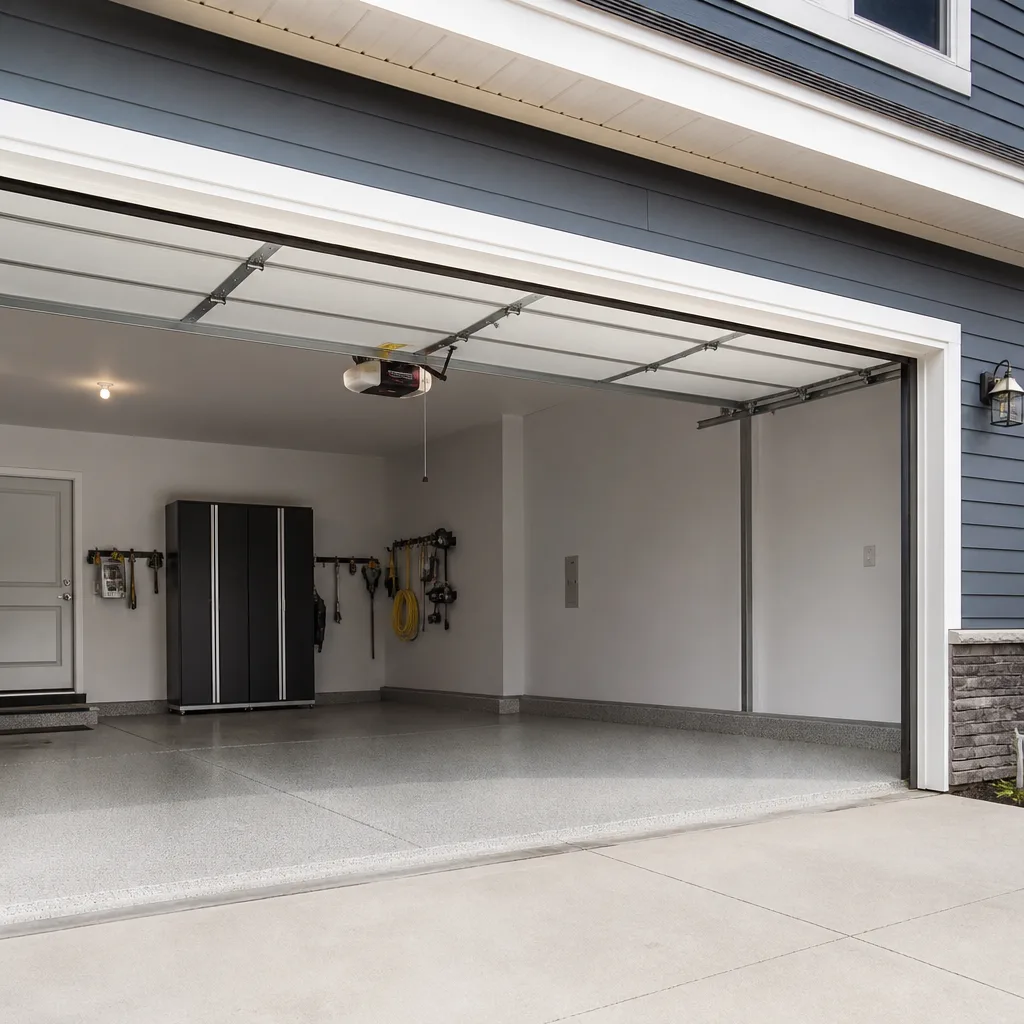 Chamberlain openers
Full 25-point door and opener safety check with every visit - springs, cables, rollers, tracks, and your LiftMaster or Chamberlain opener included
You get a price before we start. It does not change when the truck arrives.
Get your free estimateGarage Door Warning Signs: A Tampa Homeowner’s Reference Guide
A garage door that takes two seconds longer to open than it did last month isn’t aging gracefully. It’s telling you a spring is losing tension and giving you a measurable countdown to the morning it won’t open at all. Most homeowners in Tampa only notice the end-stage failure, the loud snap or the door sitting dead on the track. But the signs that matter show up weeks earlier, and they’re subtle enough that you’ll walk right past them unless you know what to look for. This guide covers those mid-stage signals, the ones specific to Tampa’s humidity, heat, and salt air, so you can catch a problem before it becomes an emergency call. For seasonal garage door care in Tampa, check our year-round homeowner’s guide.
Quick Answer
The most common garage door warning signs in Tampa are slow response time, uneven movement, grinding or popping sounds, visible rust on springs, sagging or separation at panel corners, and a door that doesn’t pass the balance test. Any one of these means a component is wearing out, and addressing it now typically costs a fraction of what you’ll pay after a full failure. If you notice two or more signs together, the fix is no longer optional.
Styles & brands we work with
Table of Contents
- Why Tampa’s Climate Creates Its Own Warning Signs
- The Stopwatch Test: Response Time Changes
- Sound Diagnostics: Squeak, Pop, or Grind
- Visual Cable and Spring Inspection Without Tools
- The 60-Second Balance Test Every Homeowner Can Do
- Panel Corner Separation and Thermal Cycling
- Common Mistakes to Avoid
- When to Call a Professional
- Frequently Asked Questions
Why Tampa’s Climate Creates Its Own Warning Signs
Tampa’s climate does something to garage doors that drier cities never see. The combination of 70-plus percent average humidity, summer temperatures that push past 90 degrees for months straight, and salt-laced air moving in from the bay accelerates wear on every metal component of your door system. In our experience working on doors across Tampa, from South Tampa to Carrollwood and up through Wesley Chapel, we see a pattern that’s hard to miss once you know it.
The first and most telling sign is orange rust streaking on torsion springs. A spring under tension flexes constantly, and that flexing creates microscopic cracks in the factory coating. Once moisture gets in, the rust isn’t just cosmetic. It means the spring’s structural integrity is compromised, and a rust-streaked spring is dramatically more likely to snap than a clean one. This matters because a snapped spring is the single most common reason a garage door won’t open in Tampa. The second Tampa-specific sign is rubber seal bubbling along the bottom edge of the door. Intense, direct sun heats the seal to the point where it deforms and no longer sits flush against the concrete. You’ll see daylight under the door, and you’ll feel the heat and humidity moving in.
Neither of these shows up on a generic nationwide checklist, but both are routine findings on Garage Door Repair in Tampa calls that started as something smaller.
The Stopwatch Test: Response Time Changes
Your garage door opener shouldn’t sound like it’s working harder than it used to. But if you’re not measuring, you’re guessing. Here’s the test we recommend to every homeowner we talk to in Tampa. Pull out your phone, open the stopwatch function, and time the door from fully closed to fully open. Write that number down. Then time it again a month later. If the door is taking one and a half to two seconds longer, the opener motor is straining against something. Usually that something is a spring that’s lost tension and transferred the load to the opener.
The problem with ignoring this is straightforward. An opener motor that’s working against a weakening spring will eventually burn out. And when it does, you’re not replacing a $30 part. You’re replacing a motor, and you still have a bad spring. That’s two service calls instead of one, and the second is avoidable.
Here’s what to do if your door fails the response time test:
- Run the stopwatch test three times and average the results. One slow cycle could be a fluke; three is a pattern.
- Listen for a humming sound that lingers after the door stops moving. That’s the motor still pushing against resistance.
- Check the door by hand. Pull the emergency release and lift the door halfway. If it takes real effort, the spring isn’t carrying its share.
- Call a professional. A door that’s slow because of a spring issue won’t fix itself, and the longer it runs, the more expensive the repair gets.
Response time changes are one of the most reliable early indicators we see in Tampa, and they’re easy to track with nothing more than a phone. If you’ve noticed the change, Garage Door Opener Repair in Tampa is a dedicated service, not a vague add-on, and the diagnostic question is always the same: is the opener failing, or is it fighting the door?
Sound Diagnostics: Squeak, Pop, or Grind
The sounds your door makes are diagnostic information, and each one points to a different problem with a different price tag if left alone. We’ve walked into enough Tampa garages where the homeowner heard something for months but didn’t know which sounds mattered. Here’s the breakdown.
A squeak or a chirp is the sound of metal moving against metal without lubrication. It’s common on rollers and hinges, especially in Tampa’s humid air where lubrication breaks down faster. The fix is usually simple, but ignoring it means the rollers wear unevenly, and a worn roller can jump the track. A pop is a different matter entirely. A sharp, single pop usually means the spring has snapped. If the pop came from above the door and the door suddenly feels very heavy or won’t move, that’s a torsion spring failure. This is not a do-it-yourself repair. Torsion springs hold an enormous amount of stored energy, and a snap under tension is dangerous.
A grind or a rumble usually traces to the rollers or the track. Metal shavings at the bottom of the track are a confirmation. Grinding means a roller bearing has failed or the roller itself is worn flat in one spot. Left alone, a grinding roller will chew the track, and a damaged track is a significantly more expensive repair than a roller replacement.
- Squeak: Lubrication issue. Inexpensive to address, but a sign maintenance has lapsed.
- Pop: Spring failure. The door is now unsafe to operate manually. Call a professional immediately.
- Grind: Roller or track wear. Needs attention before it escalates to track damage.
- Rattle: Loose hardware or a failing roller. Usually not urgent, but it means components are vibrating against each other.
We work on doors from Clopay, Amarr, Wayne Dalton, Craftsman, and most other major brands, and the sound profile doesn’t change much from one manufacturer to another. The mechanical principles are the same. What changes is the specific geometry of the spring and cable setup, which is why a brand-agnostic diagnosis matters. You want someone who reads the door, not someone who only knows one catalog. If you’re weighing options, our guide to choosing the right garage door brand in Tampa can help.
Visual Cable and Spring Inspection Without Tools
You don’t need a socket set or a ladder to spot the early signs of cable and spring wear. You need a flashlight and about three minutes. Stand inside the garage with the door closed and look up. The cables run vertically on both sides of the door, and the springs run horizontally above it. Here’s what you’re looking for.
Cable fraying happens in stages. Stage one is a single broken strand, which looks like a tiny bristle poking out from the main cable body. Stage two is multiple broken strands, often clustered near the bottom bracket where the cable anchors. Stage three is a noticeable thinning of the cable or a partial unwinding. Stage one is a warning. Stage three is an emergency. A cable under tension that snaps while the door is moving can whip, and because the door is then supported unevenly, it can drop or bind in its tracks.
Spring inspection is simpler. Look for gaps in the coil. A healthy torsion spring has tight, evenly spaced coils. A gap of even a quarter inch means the spring has permanently deformed and is losing tension. Look for rust, especially orange streaking. Look for a spring that appears slightly separated into two sections when it should be one continuous coil. All of these are signs the spring is near the end of its life.
The thing about visual inspection in Tampa specifically is that our humidity means corrosion starts earlier and moves faster than the national average. A cable that looks fine in Phoenix might be a season away from failure in Tampa. If any of these signs are visible, call before you need the door. The cost of a cable or spring replacement now is a fraction of what an emergency call costs when the door is stuck closed with your only car inside.
The 60-Second Balance Test Every Homeowner Can Do
This is the most useful diagnostic you can run at home, and it takes about a minute. It tells you whether your spring tension is correct, which is the single most predictive factor in whether your door will open tomorrow morning.
Here’s the test:
- Close the door completely.
- Pull the red emergency release handle hanging from the opener rail. This disconnects the door from the opener carriage.
- Lift the door by hand to roughly waist height, about three to four feet off the ground.
- Let go of the door completely.
A properly balanced door stays where you left it, maybe settling an inch or two. A door that falls toward the floor has a spring that’s lost tension. A door that shoots upward has a spring that’s over-tensioned, which is less common but equally problematic because it strains the opener and the cables on the way up.
Run this test once a season here in Tampa. The thermal cycling between our hot days and relatively cooler nights puts repeated stress on springs, and seasonal shifts in your garage temperature can reveal problems before they become obvious. If the door won’t stay put, you’ve found the problem before it broke. That means a scheduled repair at a normal rate instead of an emergency call at midnight. Fieldstone’s standard on every repair call, whether it’s a spring, a cable, or a full system check, is to diagnose the whole door, not just the part that failed. The right fix the first time is the point.
Panel Corner Separation and Thermal Cycling
Walk outside and look at the corners of your door panels, especially the bottom panel. What you’re looking for is separation at the seams. In Tampa, we see this more often than homeowners expect, because the repeated expansion and contraction from our summer heat cycles through the door’s metal skin and stile joints. That thermal cycling is slow but relentless, and it eventually shows up as a small gap at the corner of a panel.
Why it matters: a tiny corner gap lets moisture into the panel interior. Once water gets inside, the panel starts to delaminate from the inside out, and the structural rigidity of the door drops. That means more flex in the wind, which means more stress on the hinges and tracks. On certain door models, especially lighter gauge builder-grade doors, this is the beginning of a cascade. The bottom panel typically shows it first because it carries the most structural load and sits nearest the ground moisture.
Prevention is not complicated. Keep the door’s bottom seals intact, and have the hinges checked when the door is serviced. But if you see corner separation already, don’t ignore it. Replacing one panel on a door from Wayne Dalton or Amarr or Craftsman is often viable if the door is otherwise sound. Waiting until the panel fully delaminates usually means you’re pricing a full door replacement, which is Garage Door Installation in Tampa work and a different conversation entirely.
The point of watching panel corners is that they’re an early indicator. By the time you can see a panel sag or hear a clunk when the door moves, the damage is already substantial. A visual check once a month takes thirty seconds and costs nothing.
Common Mistakes to Avoid
- Ignoring a slow door because it still opens. A door that’s slower than it was is a door with a problem. It’s just a problem that hasn’t won yet. The slow-open phase is your cheapest window to fix it.
- Lubricating a grinding roller and calling it done. Lubrication quiets the noise briefly but does nothing for a worn bearing. The roller is still failing, and now it’s failing quietly while it eats the track.
- Running the door after a spring pops. Once a spring snaps, the opener is lifting dead weight. Every cycle burns motor life and risks cable failure. Stop using the door and call for repair.
- Replacing the opener when the spring is the problem. We see this regularly in Tampa: a homeowner burns out an opener, replaces it, and the new opener dies a year later because the spring was never fixed. The spring and opener work as a system.
- Ignoring rust on springs because “it’s Florida, everything rusts.” Surface rust is normal. Orange streaking on a torsion spring means the coating has failed and the spring is degrading under tension. That’s not an aesthetic issue.
- Doing cable work yourself. Cables carry the same stored energy as springs. A cable that lets go under tension can cause serious injury. This is a call-a-professional situation, every time.
When to Call a Professional
Call a professional the moment you see a snapped spring, a frayed cable at stage two or beyond, or a door that won’t stay balanced after the emergency release is pulled. These are not maintenance-level problems, and the safety risk of working around a loaded torsion spring or cable is simply not worth it. If your door makes a loud pop and suddenly won’t move, that’s the clearest signal your door has entered a dangerous state. Disconnect the opener, leave the door closed if possible, and call. Fieldstone Garage Door Repair offers free estimates in Tampa, and the diagnostic is always straight: we identify what’s failing and what it’s stressing, because a door is a system, not a collection of parts. Not sure where to start? Read how to hire a garage door contractor in Tampa for a step-by-step guide. Call (855) 360-5925 and we’ll walk through what you’re seeing.
Frequently Asked Questions
Garage door spring replacement in Tampa typically runs between $220 and $350 for a standard torsion spring, including the part and labor, with pricing depending on spring size, door weight, and whether one or both springs are replaced. Both springs usually wear at the same rate, so replacing them together is standard practice and cheaper long-term than doing one now and one in four months. Call (855) 360-5925 for an exact quote, always agreed before any work starts.
Yes, a garage door can fall if a spring breaks, especially if the cable safety system has also failed or if the door is mid-cycle when the spring lets go. Modern doors have cable safety mechanisms that are supposed to catch a falling door, but a broken spring combined with a frayed cable means that safety net is gone. This is why we tell Tampa homeowners that a snapped spring means stop using the door until the spring and cables are both inspected.
Most torsion springs are rated for 10,000 cycles, which in a typical Tampa home works out to seven to ten years depending on how often the door cycles each day. Homes where the garage is the primary entry point, or where multiple drivers come and go, can wear through springs in five or six years. Humidity and coastal salt air accelerate wear, so Tampa springs often fail at the lower end of their rated range.
A garage door that’s louder than it used to be is usually telling you that lubrication has broken down, rollers are wearing, or the opener is straining against a weakening spring. Each cause has a distinct sound: a squeak points to lubrication and rollers, a grind points to roller bearings or track wear, and a hum after movement stops points to the opener motor working harder than it should. Identifying the sound correctly is the difference between a $40 maintenance call and a $400 motor replacement.
Rust on a torsion spring is a structural problem, not a cosmetic one. The spring flexes thousands of times per year, and rust creates stress concentration points where the metal will eventually fracture. A spring with visible rust streaking is measurably closer to failure than a clean one, and in Tampa’s humidity, rust progresses faster than in most of the country. What looks like surface discoloration is the first visible stage of a component nearing the end.
Single panel replacement is often possible if the door is a current or recent model from a major brand like Clopay, Amarr, Wayne Dalton, or Craftsman and the rest of the door is structurally sound. The catch is matching the panel color and profile, which gets harder as the door ages and fades. If the bottom panel has fully delaminated or the door is over twelve to fifteen years old, a full replacement is usually the better financial call. We’ll tell you which applies to your door before any work is quoted.
The Bottom Line
Your garage door tells you when it’s failing. The signs are measurable, visible, and audible if you know what to listen for. In Tampa, those signs come faster and look different than they do elsewhere: rust-streaked springs from humidity, heat-bubbled seals, panel separation from thermal cycling, and motors straining against springs that lost tension months ago. The pattern is consistent across every brand we service, and the fix is always cheaper when you act on the early signal instead of the final failure. If any of these warning signs sound familiar, or if you want a professional set of eyes on a door that’s acting differently, call (855) 360-5925. For more guides & resources, visit our blog. The estimate is free, the diagnosis is straight, and you’ll know exactly what your door needs before anything gets taken apart.
Written by the team at Fieldstone Garage Door Repair, serving Tampa since 2013.
See the difference
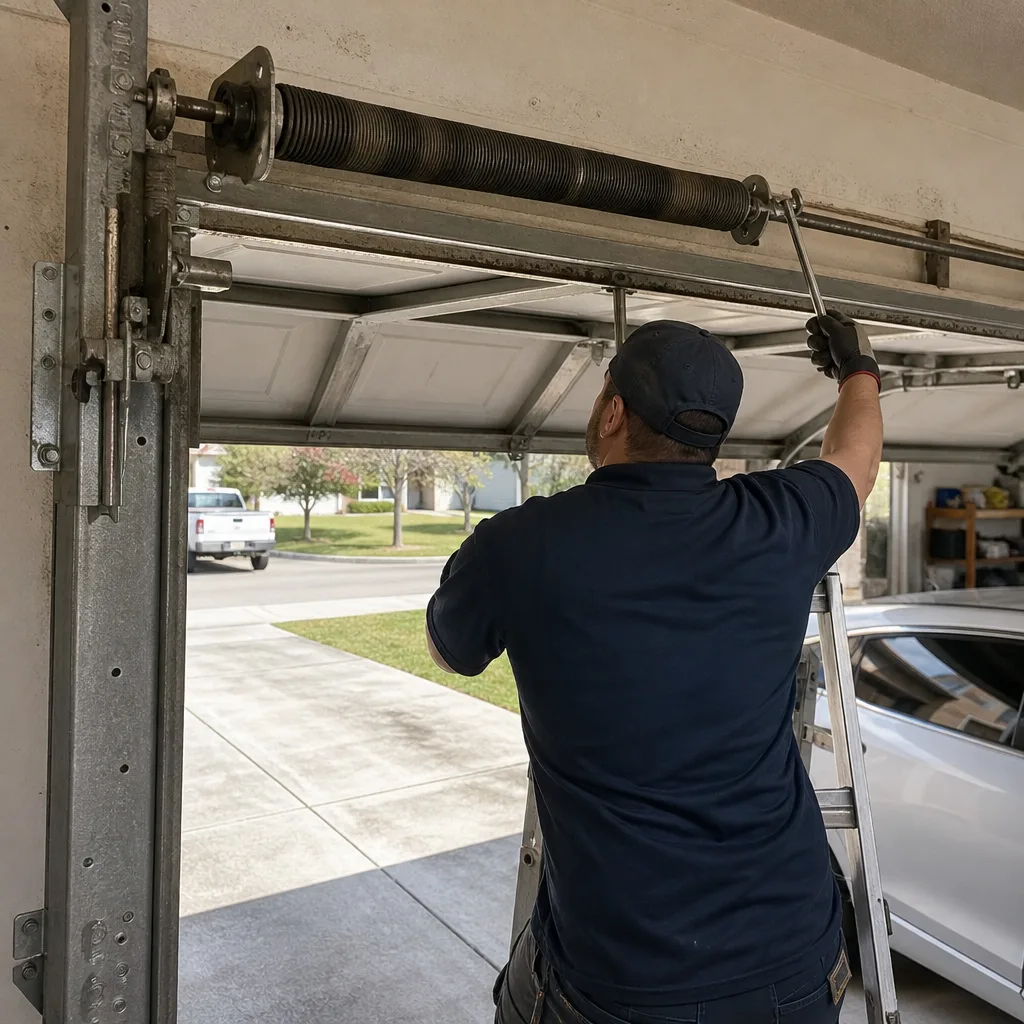 Before
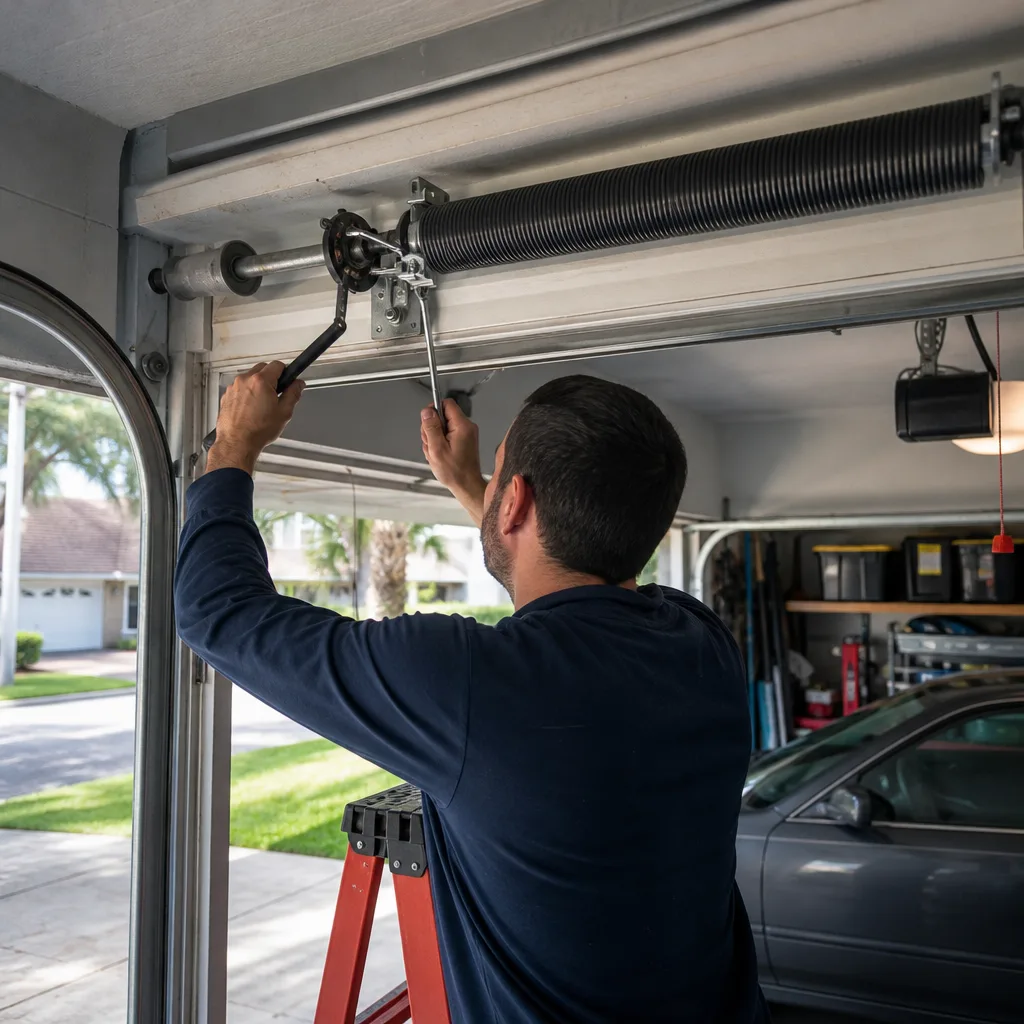 After
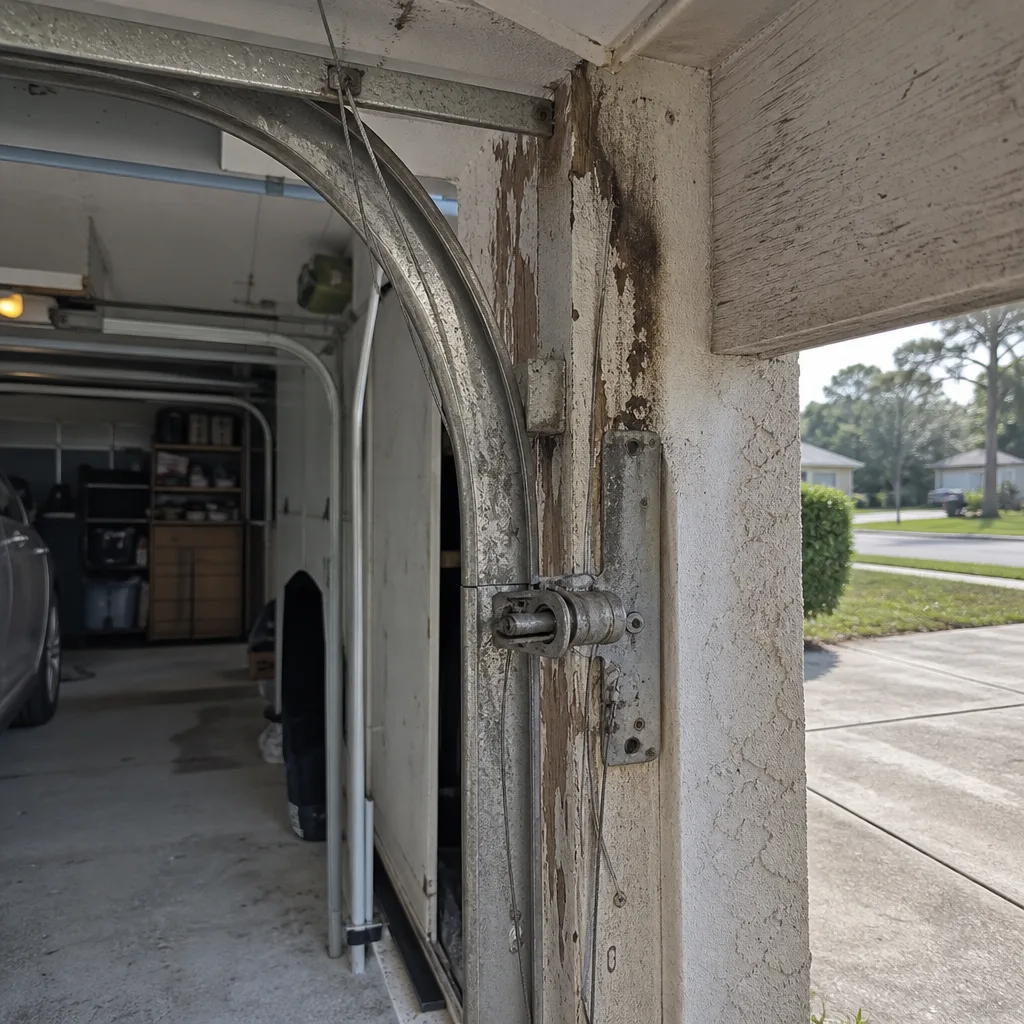 Before
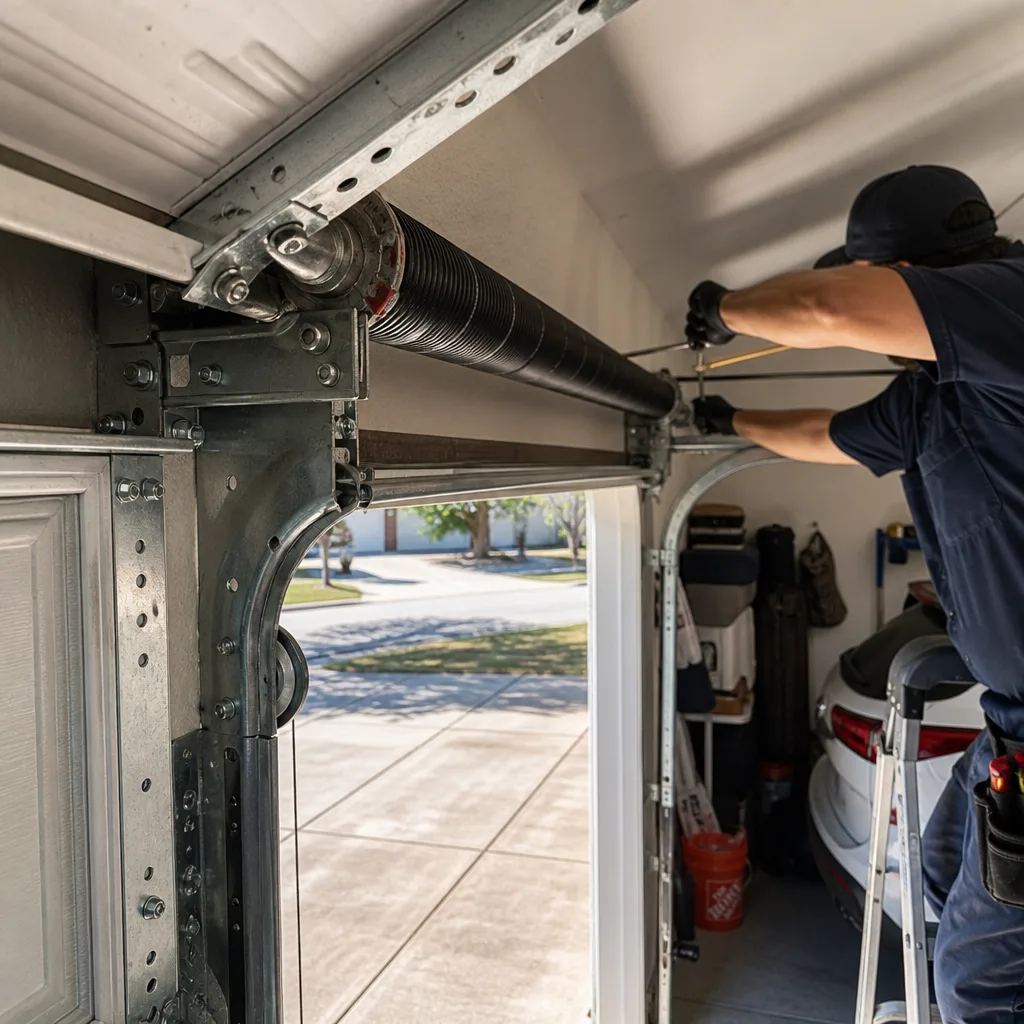 After
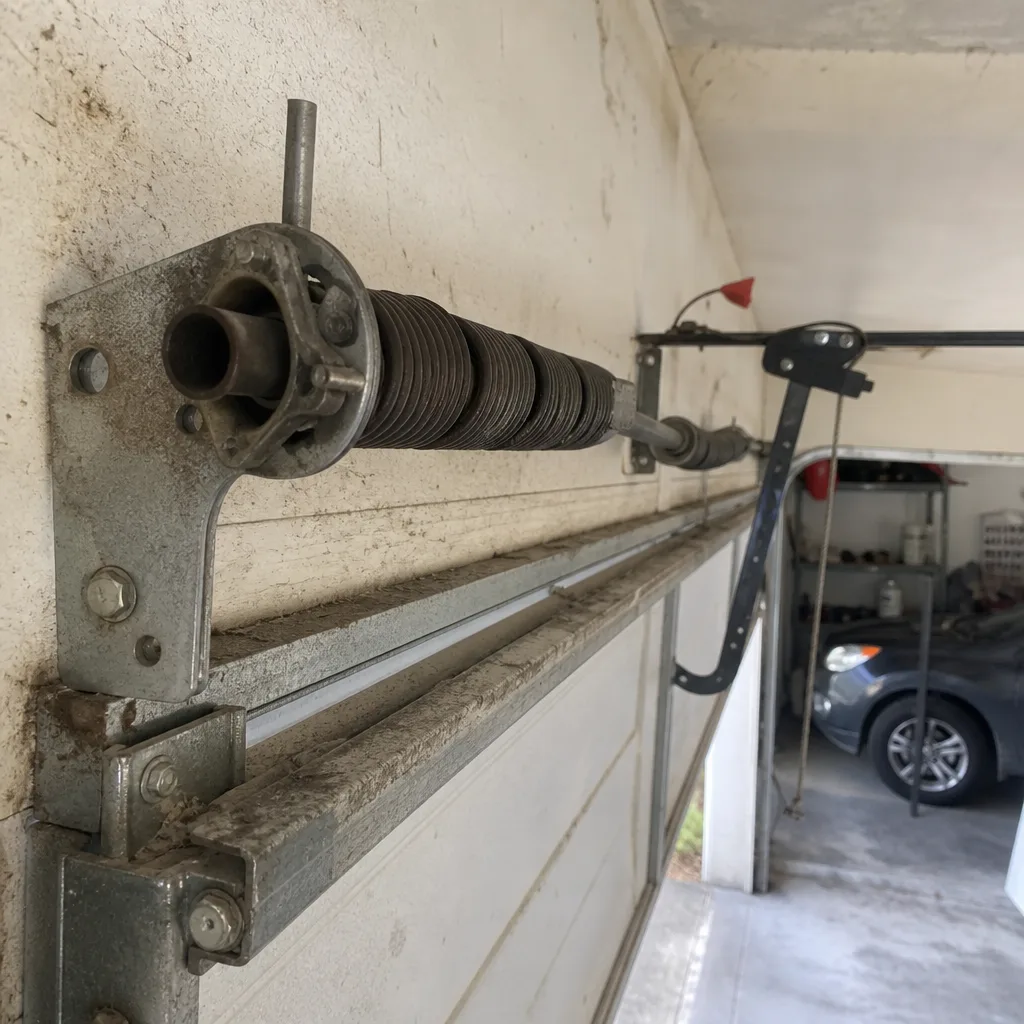 Before
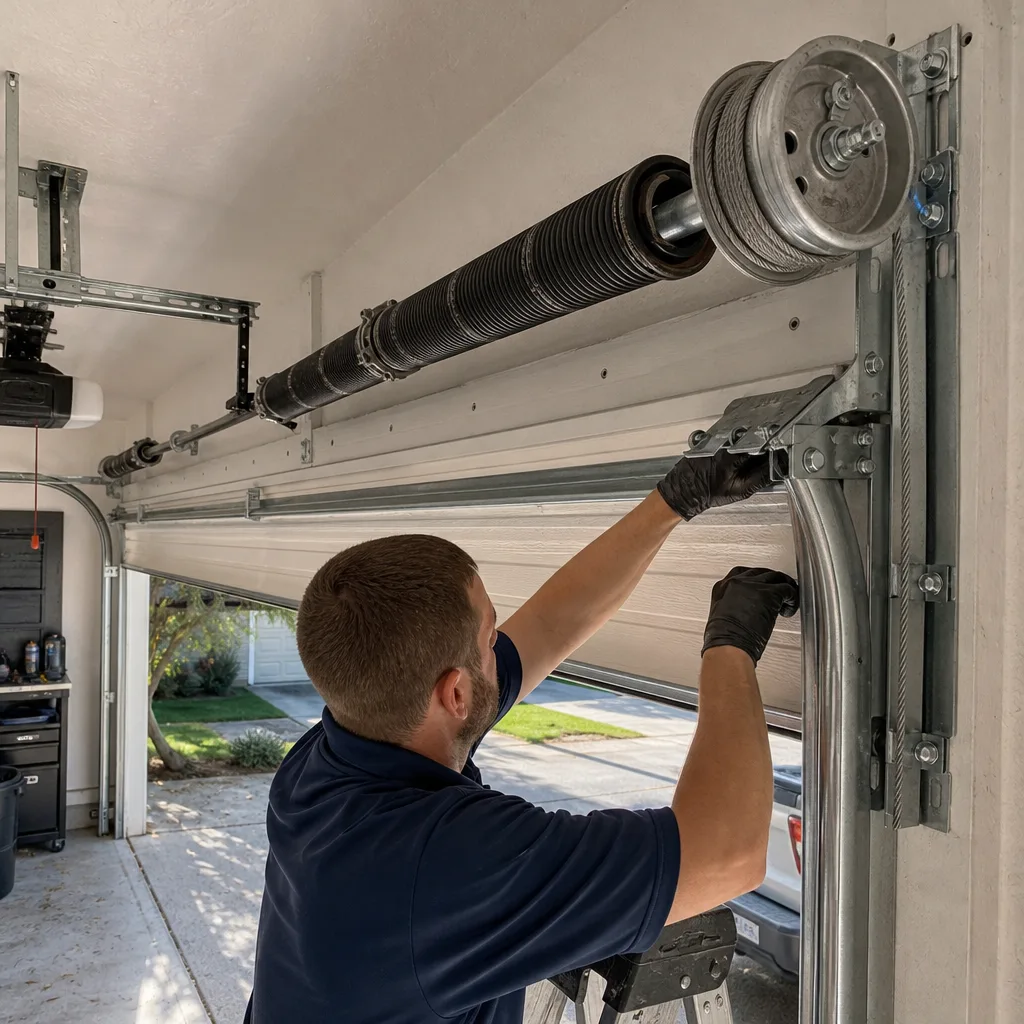 After