
Last updated October 31, 2026
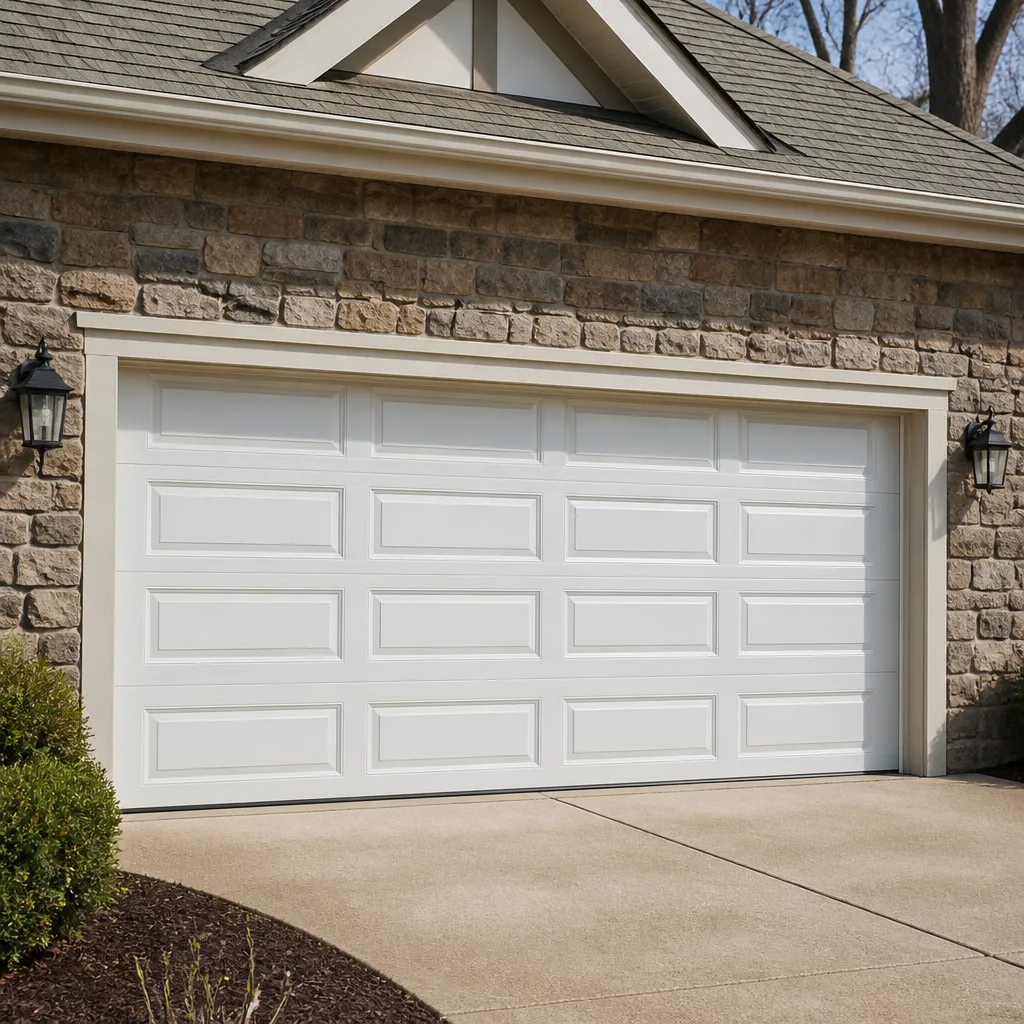 Raised-panel steel
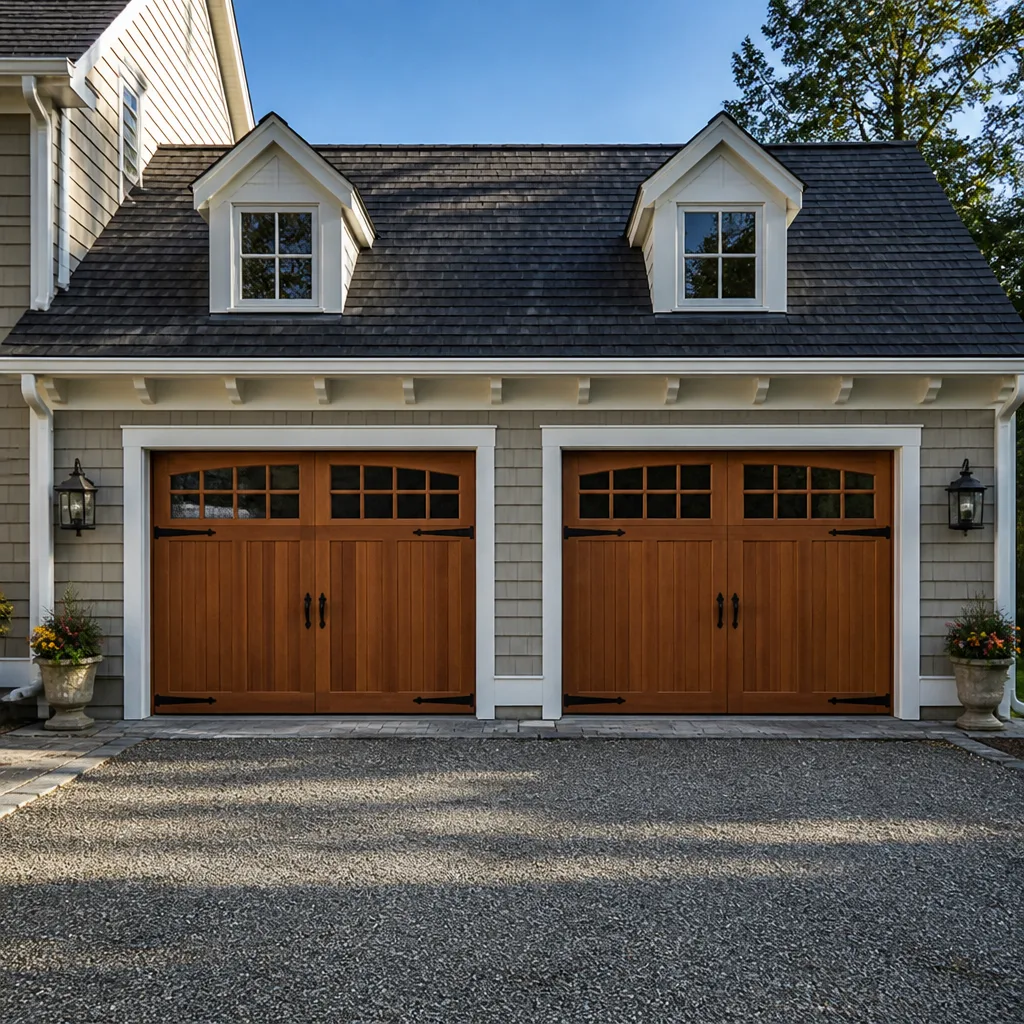 Carriage house
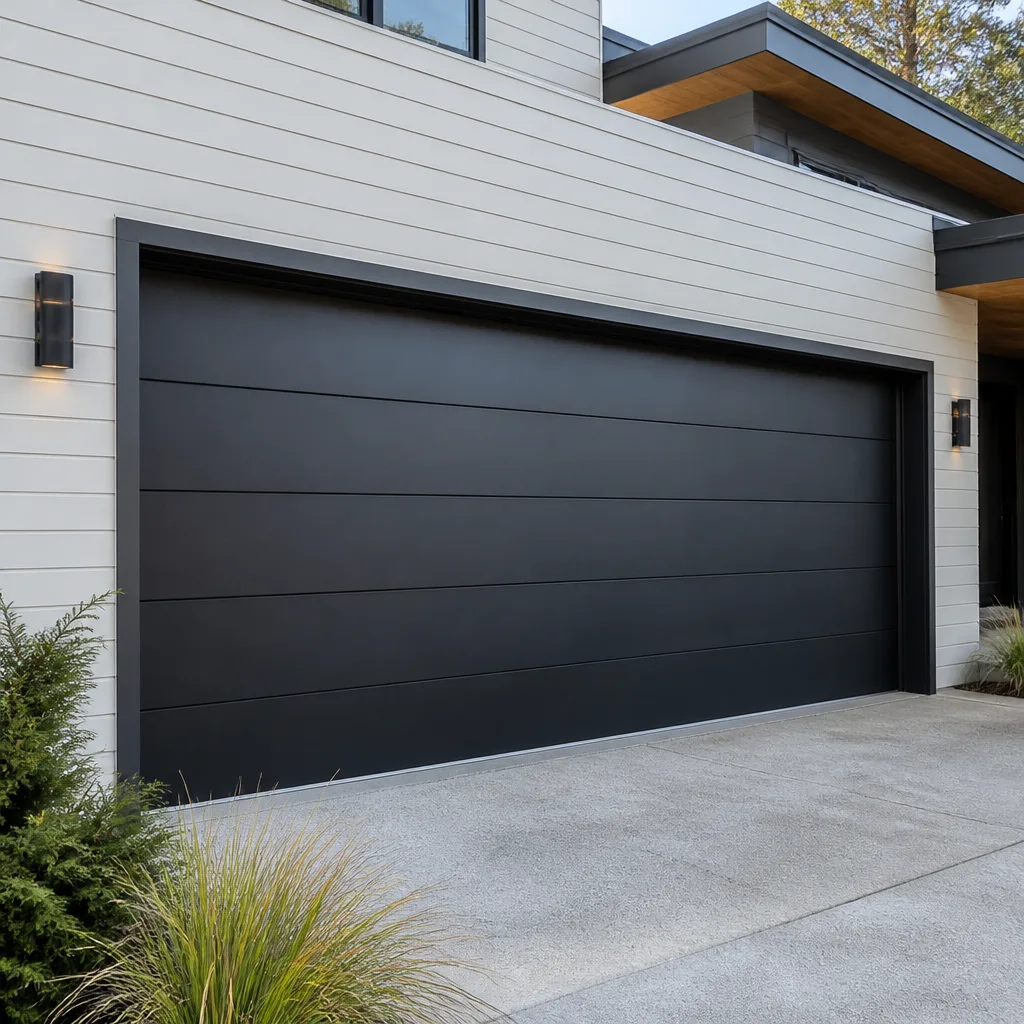 Modern flush
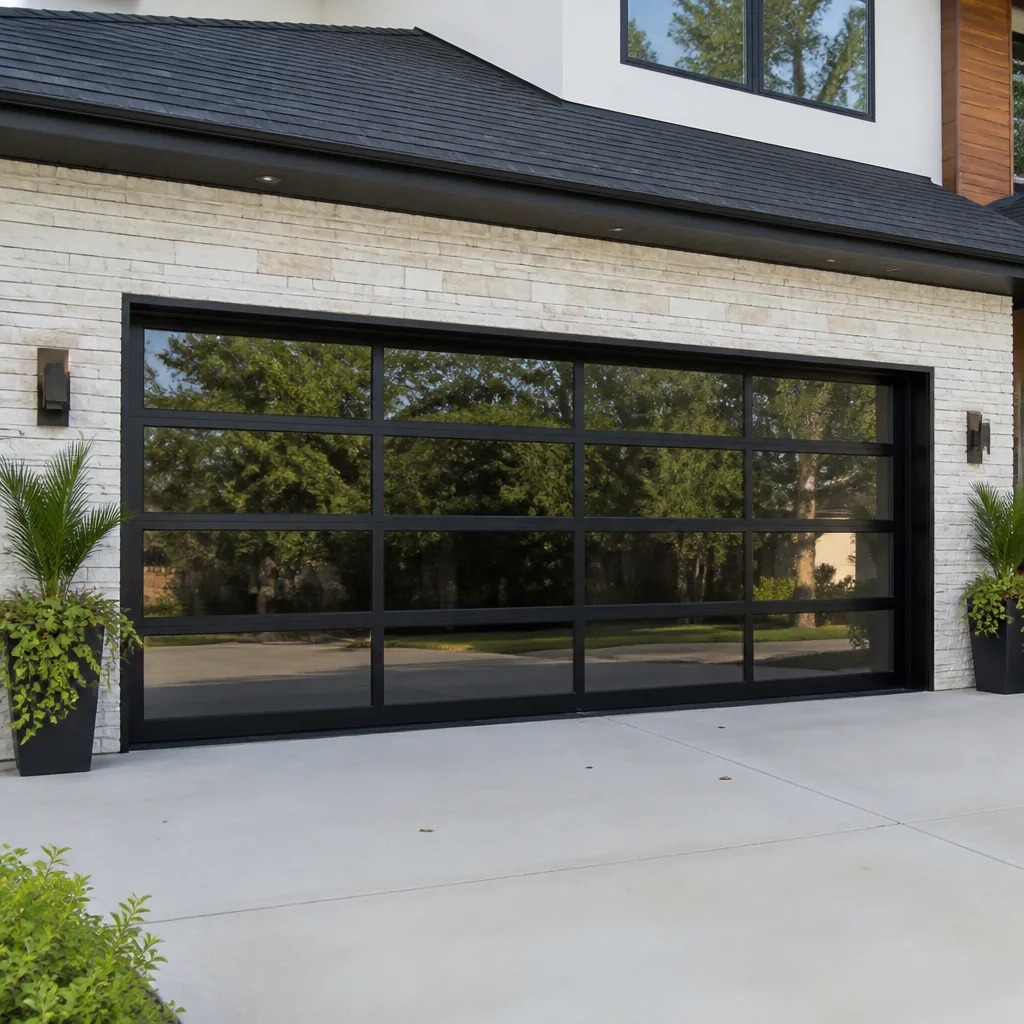 Full-view glass
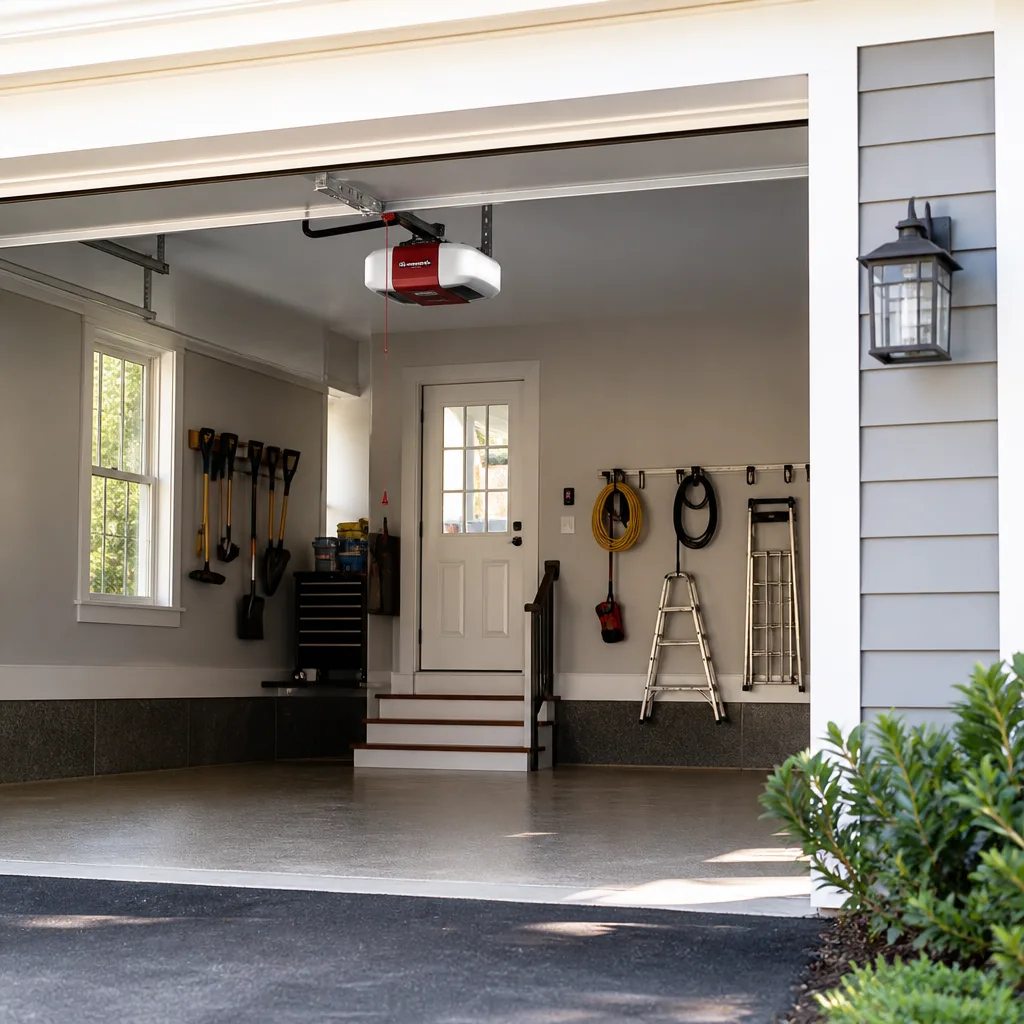 LiftMaster openers
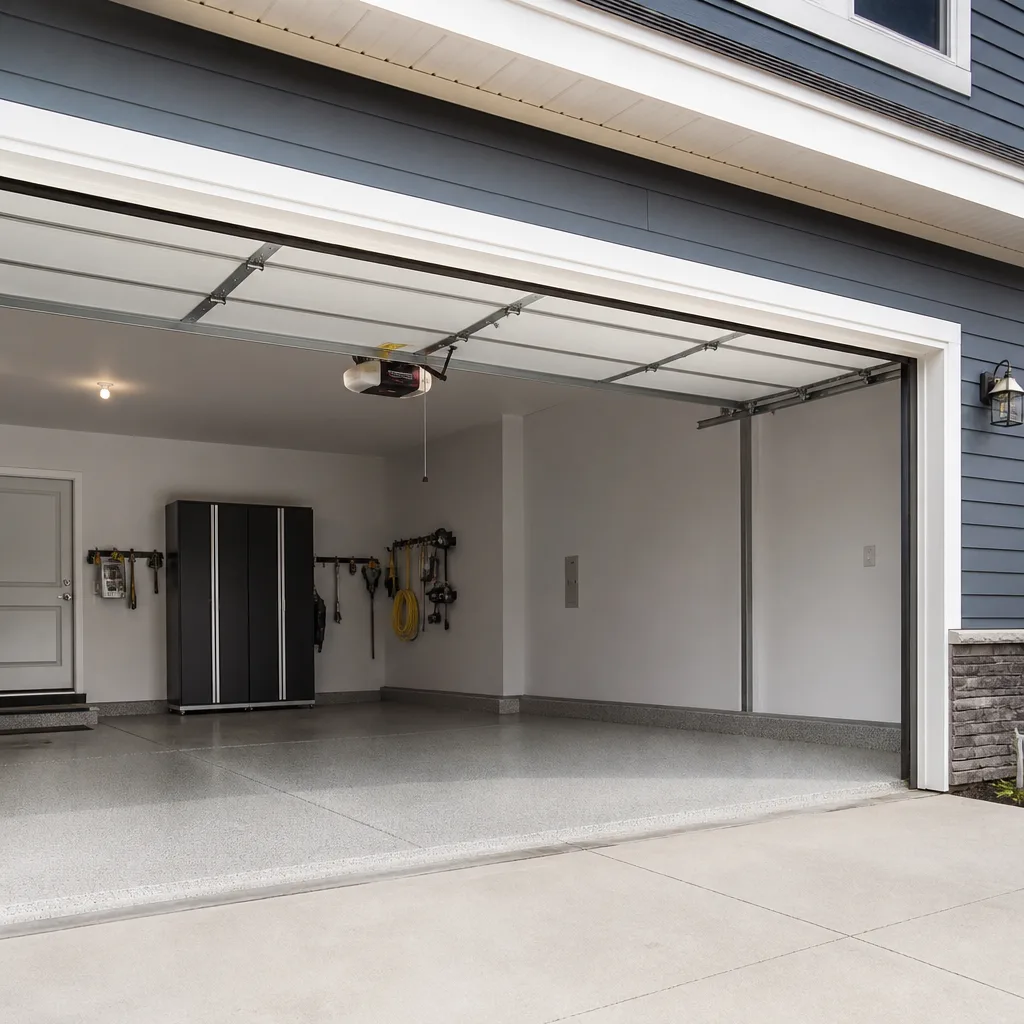 Chamberlain openers
Full 25-point door and opener safety check with every visit - springs, cables, rollers, tracks, and your LiftMaster or Chamberlain opener included
You get a price before we start. It does not change when the truck arrives.
Get your free estimateHow to Hire a Garage Door Contractor in Tampa: A Step-by-Step Guide
After Hurricane Ian, a quiet pattern emerged across Tampa Bay. Homeowners who had paid cash deposits to “storm response” garage door crews discovered those crews were unreachable six weeks later. The phone numbers were disconnected. The websites were gone. The “local office” was a rented mailbox in another county. Garage doors are heavy, spring-loaded systems that fail spectacularly when installed wrong, and Tampa’s humid, salt-tinged air punishes shortcuts faster than almost any climate in the state. This guide walks you through the exact steps to separate permanent local specialists from transient opportunists, so the contractor you hire today is still answering the phone when your warranty question comes up in eighteen months. For more guides & resources, visit our blog.
Styles & brands we work with
Quick Answer
To hire a garage door contractor in Tampa, verify a current Florida contractor license, confirm a physical business address in Hillsborough or Pinellas County, ask who physically performs the work, demand a written line-item estimate with the price locked before work begins, and prioritize multi-brand technicians over single-brand dealers. Skip any contractor who can’t answer these five questions in under five minutes.
Table of Contents
- Step 1: Verify the Florida Contractor License (and What a Fake Looks Like)
- Step 2: Confirm a Physical Tampa Address – Not a Rented Mailbox
- Step 3: Ask the Multi-Brand Question That Filters Out Amateurs
- Step 4: Find Out Who Actually Shows Up at Your Door
- Step 5: Read the Estimate Line by Line – What’s Real and What’s Padding
- Step 6: Interrogate the Warranty Language (Tampa Humidity Will Test It)
- Step 7: Ask the Five Questions Before Signing Anything
- Common Mistakes to Avoid
- When to Call a Professional
- Frequently Asked Questions
- The Bottom Line
Step 1: Verify the Florida Contractor License (and What a Fake Looks Like)
Florida requires garage door contractors to hold a valid license through the Department of Business and Professional Regulation (DBPR). In Tampa and throughout Hillsborough County, you can verify any license number in under three minutes on the DBPR website. This matters more than most homeowners realize, because Florida’s post-storm contractor fraud problem is real and recurring. After every major weather event, unlicensed operators sweep through the Tampa Bay area offering cut-rate installs and cash-only repairs.
A valid Florida garage door contractor license will show as active, current, and tied to a business name that matches the company on the estimate. An out-of-state license from Georgia or Alabama means nothing in Tampa. An expired Florida license is a red flag. A license number that belongs to a different company name is a bigger red flag. Some storm chasers will rent a license number from a legitimate firm across the state, then operate under it for six weeks before vanishing. Check the expiration date. Check the business name. Check that the license holder has an active address in the state.
In our experience, the contractors worth hiring in Tampa will volunteer their license number before you ask. The ones who deflect, stall, or promise to “get it to you later” are telling you something useful about how they’ll handle the warranty call later.
Step 2: Confirm a Physical Tampa Address – Not a Rented Mailbox
Type the contractor’s address into a maps application and look at what’s actually there. A legitimate Tampa garage door company has a warehouse, a shop, a yard with trucks, or at minimum a verifiable commercial suite. A storm chaser has a UPS Store box in Brandon, a virtual office in Westshore, or a residential apartment in Seminole Heights where nobody answers the door.
Why does a physical address matter for a garage door contractor specifically? Because garage door repair requires parts inventory, trucks, and a place where technicians load up in the morning. A company operating out of a mailbox cannot stock torsion springs, cables, rollers, and opener circuit boards locally. They order parts from a distributor after you sign the estimate, which adds days to your repair timeline and introduces a second company into the chain. When a Tampa homeowner calls on a Monday morning with a broken spring, the company that can dispatch a stocked truck from a real warehouse is the company that fixes the door on Monday afternoon.
Look for a street address that appears on the estimate, the website footer, and the invoice. These should match. If the address changes between documents, walk away.
Step 3: Ask the Multi-Brand Question That Filters Out Amateurs
The garage door industry splits into two camps: single-brand dealers and multi-brand independent specialists. Single-brand dealers sell what their manufacturer ships them, and their technicians train on one product line. Multi-brand companies work across Fieldstone Garage Door Repair home style breadth – meaning a technician who handles LiftMaster, Genie, Chamberlain, and Raynor systems in the same week.
Here’s why this matters in practice. In Tampa’s housing stock, you’ll find a mix of everything. Homes in Davis Islands and Hyde Park built in the 1990s might have original Chamberlain openers. Newer construction in Westchase or Riverview might have LiftMaster wall-mount units with the latest security protocol. Condo conversions in Channelside might have commercial-grade Raynor doors. A technician who only sees one brand will default to recommending replacement when they encounter something outside their training. A technician fluent across brands can diagnose what’s actually wrong and source the right part the first time. Our Choosing the Right Garage Door Brand: A Buyer’s Guide for Tampa explains why brand familiarity matters.
Ask the contractor directly: “Which brands do you service and repair?” A legitimate multi-brand company answers with specifics and confidence. A single-brand dealer will name their brand and then talk vaguely about “most other systems.” A generalist handyman, who should be avoided entirely for garage door work, will say “all of them” but can’t name the spring type on a Wayne Dalton torque tube.
This matters for Garage Door Repair in Tampa because the city’s mix of housing ages and HOA aesthetic rules creates more brand variety than most metros. You want a contractor who sees your exact door configuration regularly, not as a one-off learning experience.
Step 4: Find Out Who Actually Shows Up at Your Door
The person who sold you the estimate and the person who performs the work should work for the same company. This sounds obvious, but the Tampa garage door market has a subcontractor problem that most guides don’t address.
Some larger companies run a sales-first model. A polished estimator arrives in a branded shirt, measures your door, quotes you a price, and collects a deposit. Then the actual work is performed by an independent subcontractor who was assigned the job on an app, has never met the estimator, and has no long-term stake in your satisfaction. When the door starts making noise in three months, the original company blames the subcontractor. The subcontractor blames the parts. You’re left holding a door nobody wants to service.
The fix is a single direct question: “Will the person giving me this estimate also be doing the work, or will a different person do it?” If the answer is a different person, ask who that person is and what company they work for. The right answer is: “One of our technicians will do the work. We employ all our own technicians.” The wrong answer is any version of “our network,” “our partner crews,” or “we coordinate that.”
This is especially important for Garage Door Opener Repair in Tampa, because opener systems have electrical, mechanical, and programming components that don’t respond well to subcontractor-style “get in, get out” labor.
Step 5: Read the Estimate Line by Line – What’s Real and What’s Padding
A legitimate garage door estimate in Tampa breaks down into clear categories: door or parts, hardware, labor, and disposal if applicable. An estimate designed to confuse breaks down into vague “miscellaneous fees,” “shop supplies,” and “diagnostic charges” that appear nowhere else.
Start with labor. This line should specify what the labor covers: spring replacement, panel realignment, opener installation, track adjustment, or full removal and replacement of the door. If the labor line says only “labor” with no description, ask what it includes. The price is quoted and agreed before any work starts, and the final invoice should match that number within the scope described. No legitimate Tampa contractor should present a surprise balance at the end of the job.
Next, examine the parts line. For a spring replacement, the estimate should identify whether you’re getting standard torsion springs, high-cycle springs rated for more open/close cycles, or torque-tube springs for a specific brand. A Tampa-specific consideration: coastal humidity accelerates rust on standard steel springs, so high-cycle or rust-resistant options are often worth the increment. See Seasonal Garage Door Care for Tampa: Year-Round Homeowner’s Guide for maintenance tips that extend spring life. If the estimate just says “springs” with no specification, the contractor is likely ordering the cheapest option available and pocketing the difference.
The “miscellaneous” line is where padding lives. Legitimate supplies like fasteners, cable, and lubricant should be itemized or included in the parts line. A vague “miscellaneous and shop fees” of $80-$150 is usually pure markup. Ask what it covers. If the answer is vague, ask for the itemized version of the same estimate. Legitimate Garage Door Installation in Tampa estimates include a disposal fee for hauling away the old door, usually $75-$150 depending on size and weight. This is standard and fair. Any disposal fee above $200 for a residential door is worth a raised eyebrow.
Step 6: Interrogate the Warranty Language (Tampa Humidity Will Test It)
Warranty language in the garage door industry is where unethical contractors hide. A Tampa homeowner should read the warranty clause with specific attention to three things: duration, parts coverage, and humidity exclusions.
Duration is the simplest check. A spring warranty of 90 days is the old industry standard and is insultingly short by modern standards. A spring rated for 10,000 cycles should carry a minimum three-year warranty. Opener warranties should match the manufacturer’s standard coverage, typically 1-5 years depending on the brand and model. Labor warranties should cover at least 12 months. If a Tampa contractor refuses to put the warranty in writing on the estimate itself, not just on the manufacturer’s brochure, that’s a red flag.
Parts coverage matters because some contractors warranty the part but not the labor to replace it. You pay for a new spring, then pay again for the technician to install the replacement when it fails prematurely. The right warranty covers both the component and the labor for the full stated period.
Humidity exclusions are the Tampa-specific trap. Moisture accelerates rust on springs, rollers, hinges, and tracks. Garage doors in Tampa and especially in bayside communities near the water see more corrosion in five years than doors in Arizona see in twenty. Some low-end contractors write warranty exclusions for “environmental damage” or “rust-related failure” – language that effectively makes the warranty worthless in this climate. Read that clause. Ask directly: “Does this warranty cover rust and corrosion damage?” The answer tells you whether the warranty is real or decorative.
Step 7: Ask the Five Questions Before Signing Anything
These five questions, asked before you sign an estimate, will filter out roughly 80% of the contractors you shouldn’t hire in Tampa.
- “Can I see your Florida contractor license number, and is your business address in Hillsborough or Pinellas County?” A legitimate contractor answers instantly and the number checks out on the DBPR website.
- “Who physically performs the work – your own employees or subcontractors?” The right answer is direct employees. Anything involving “network” or “partner crews” means the person selling you the job won’t be the person doing it.
- “Which garage door and opener brands do you diagnose and repair in-house?” The right answer names specific brands without hesitation, including LiftMaster, Chamberlain, Genie, and Raynor, among others. Vague answers mean limited exposure.
- “Will the price on this estimate be the price on the final invoice, unless I add work?” The right answer is yes, in writing, on the estimate itself.
- “Does your warranty cover rust and corrosion, or does it exclude environmental damage?” In Tampa specifically, this question exposes warranty clauses that are written to fail.
Common Mistakes to Avoid
- Hiring without verifying the license. Florida’s DBPR makes verification a two-minute check. Hiring an unlicensed contractor for garage door work in Tampa exposes you to financial liability if the technician is injured on your property, and you’ll have no legal recourse if the work fails.
- Paying a large deposit upfront. Established Tampa garage door companies don’t require 50% down. A small deposit or no deposit with payment upon completion is standard for repair work. Large upfront payments are the hallmark of storm chasers who are already planning their exit.
- Accepting a verbal warranty. A warranty that isn’t written on the estimate or invoice doesn’t exist. Tampa humidity punishes garage door parts quickly, and a verbal “don’t worry, we’ll take care of you” is worth nothing in eighteen months.
- Choosing the lowest bid without reading the line items. A Tampa spring replacement quoted at $89 by an out-of-area crew will end up costing more than a properly itemized $275 replacement from a permanent local company – either in added fees on the invoice or in a repeat failure in eight months.
- Ignoring the subcontractor question. The person you hire and the person who does the work being different companies is the single most common source of warranty disputes in the Tampa market. Ask. Get the answer in writing.
- Buying from a door-to-door post-storm solicitor. After any named storm, unlicensed and out-of-area crews flood Tampa neighborhoods with knock-and-quote tactics. A legitimate local company doesn’t need to go door to door. Schedule a free estimate on your timeline, not theirs.
- Skipping the brand question. A technician who doesn’t know your specific opener brand’s quirks will learn on your door. That’s an expensive classroom.
When to Call a Professional
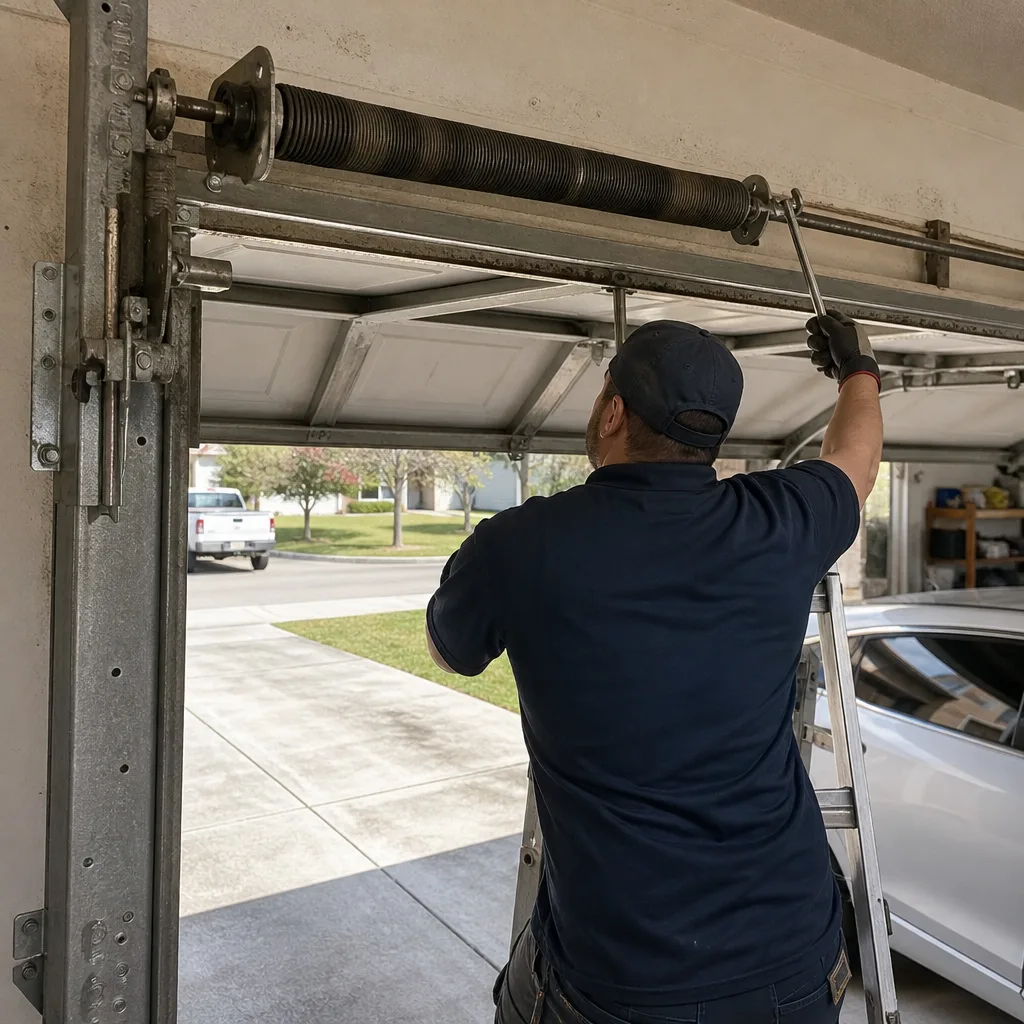
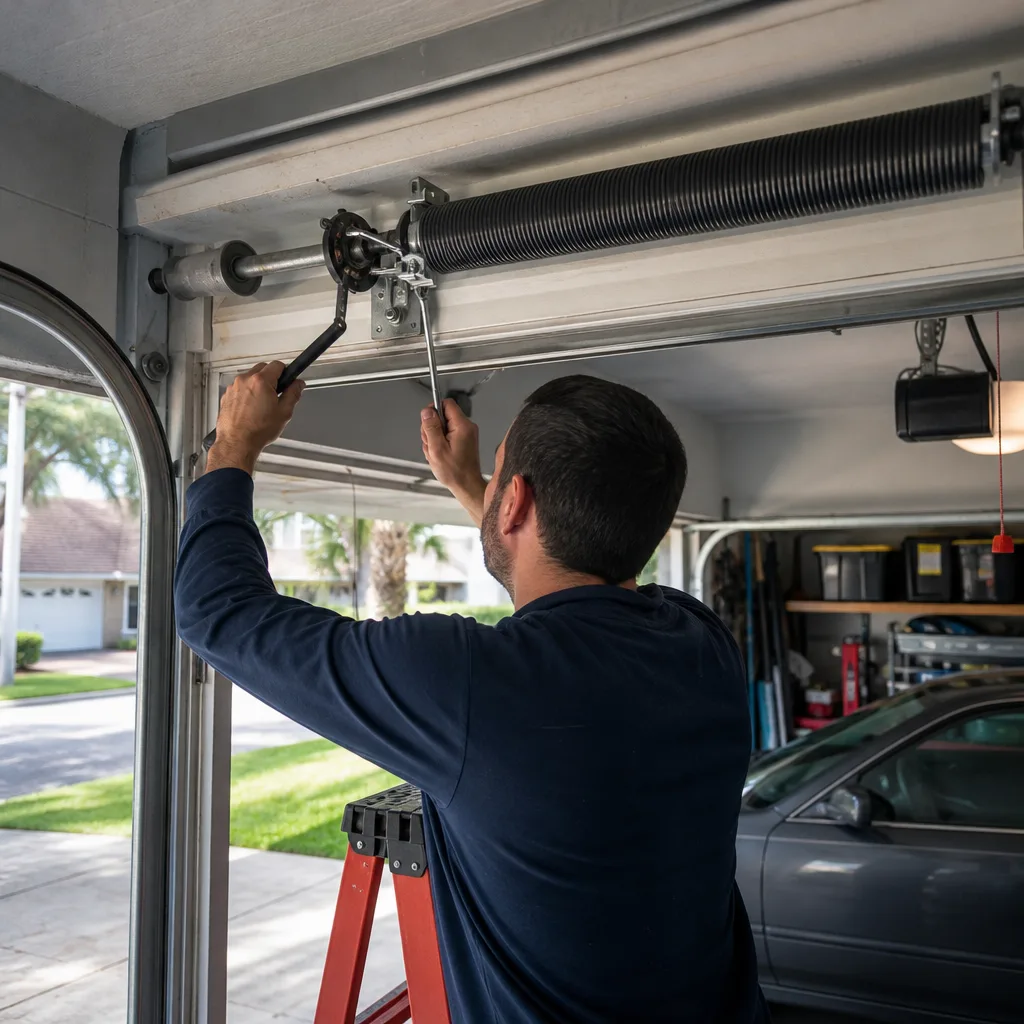
Some garage door problems are structurally dangerous and should never become DIY projects. Broken torsion springs under high tension, snapped cables, doors off their tracks, and any situation where the door is hanging unevenly all require a trained technician with the right tools and experience. High-tension springs hold enough stored energy to cause serious injury or death if released incorrectly. If your door won’t open, is visibly sagging, or you hear a loud bang from the spring line, stop operating the door and call a professional. Learn more in The Complete Garage Door Repair Guide for Tampa Homeowners. The same applies to opener problems involving wiring, circuit boards, or drive systems – electrical and mechanical diagnosis is not a weekend project. Fieldstone Garage Door Repair offers free estimates in Tampa. We work on LiftMaster, Chamberlain, Genie, Raynor, and most other systems – call (855) 360-5925.
Frequently Asked Questions
Garage door repair in Tampa typically runs $180-$340 for a spring replacement, $150-$300 for cable or roller work, and $1,200-$3,500 for a full new door depending on size and material. Opener replacement generally falls between $400-$750 including installation labor. These are Tampa market averages that factor in trip fees and standard hardware for a two-car residential door. Call (855) 360-5925 for a line-item estimate on your specific door.
Yes, but only after verifying the contractor was local before the storm happened. Post-storm Tampa sees an influx of out-of-state crews with temporary banners and rented trucks. Check that the Florida license was active before the storm date, confirm the business address is in Hillsborough or Pinellas County, and reject any contractor asking for a full deposit upfront. A legitimate local company schedules emergency repairs on a triage basis, prioritizing doors that cannot close and secure the home.
A qualified Tampa contractor should be fluent in the opener and door brands common to Florida housing stock: LiftMaster, Chamberlain, and Genie for openers, plus Clopay, Amarr, Wayne Dalton, and Raynor for door systems. Multi-brand fluency matters because Tampa homes mix these brands freely across decades of construction. A contractor who only services one brand will recommend replacement more often than a technician who can diagnose and source parts across brands.
Hire a garage door specialist. A general handyman can patch drywall and swap a faucet, but garage door systems combine high-tension springs, precision track alignment, and integrated opener electronics. A misdiagnosed spring can cause a door to fall, and an improperly tensioned cable can whip loose with enough force to cause serious injury. The tools, the parts inventory, and the training required for safe, correct work are specific to garage doors. The modest savings from a handyman quote are not worth the safety exposure.
Possibly, if the rust has compromised structural components like the bottom panel, hinges, or tracks. Coastal Tampa humidity accelerates corrosion, especially on doors facing salt air near the bay. A legitimate contractor will quote the repair based on the specific condition of your door and flag any rust-related replacements before work begins, not as a surprise line item afterward. The price should be agreed before work starts. Call (855) 360-5925 for an assessment of your specific door.
Yes, permanent local companies typically offer free in-person estimates for repair and installation work in the Tampa area. Free estimates are standard practice for established contractors who have a local vehicle fleet and don’t need to recoup a trip charge. Some companies charge a diagnostic fee that’s waived if you proceed with the repair; others waive it entirely. Confirm the estimate policy before scheduling so there are no arrival surprises.
The Bottom Line
Hiring a garage door contractor in Tampa comes down to separating permanent locals from transient operators. Verify the Florida license through DBPR, confirm a physical address in the county, ask who performs the work, read the estimate line by line, and interrogate the warranty for humidity exclusions. The multi-brand capability question filters out single-brand dealers who’ll recommend replacement when a repair makes more sense. A contractor who answers all five questions directly, puts everything in writing, and knows LiftMaster, Chamberlain, Genie, and Raynor systems by name is the contractor who’ll still be in Tampa when your warranty claim comes up. From a stuck spring to a full replacement, the right fix the first time is what you’re paying for. Your opener is part of the system – we treat it that way. Built to last – that’s the Fieldstone standard.
Written by the team at Fieldstone Garage Door Repair, serving Tampa since 2013.
See the difference
 Before
 After
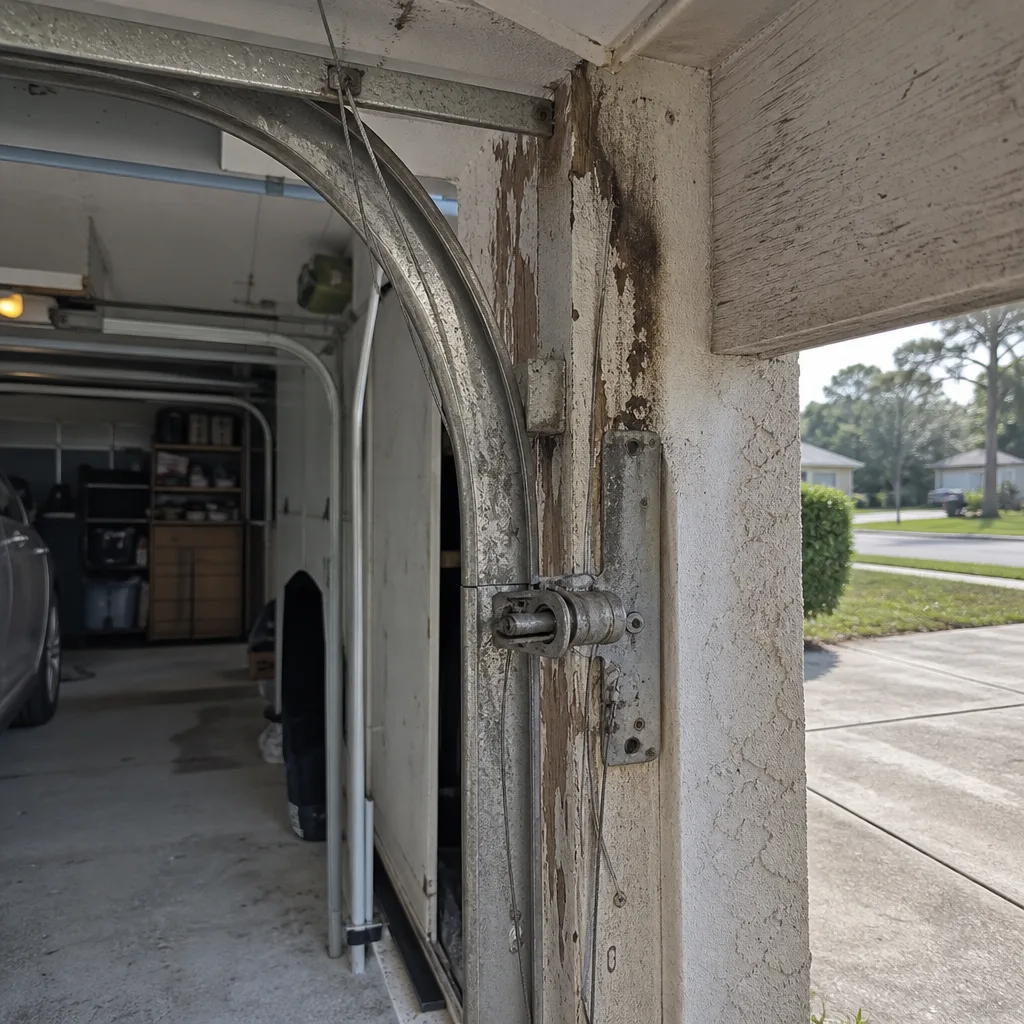 Before
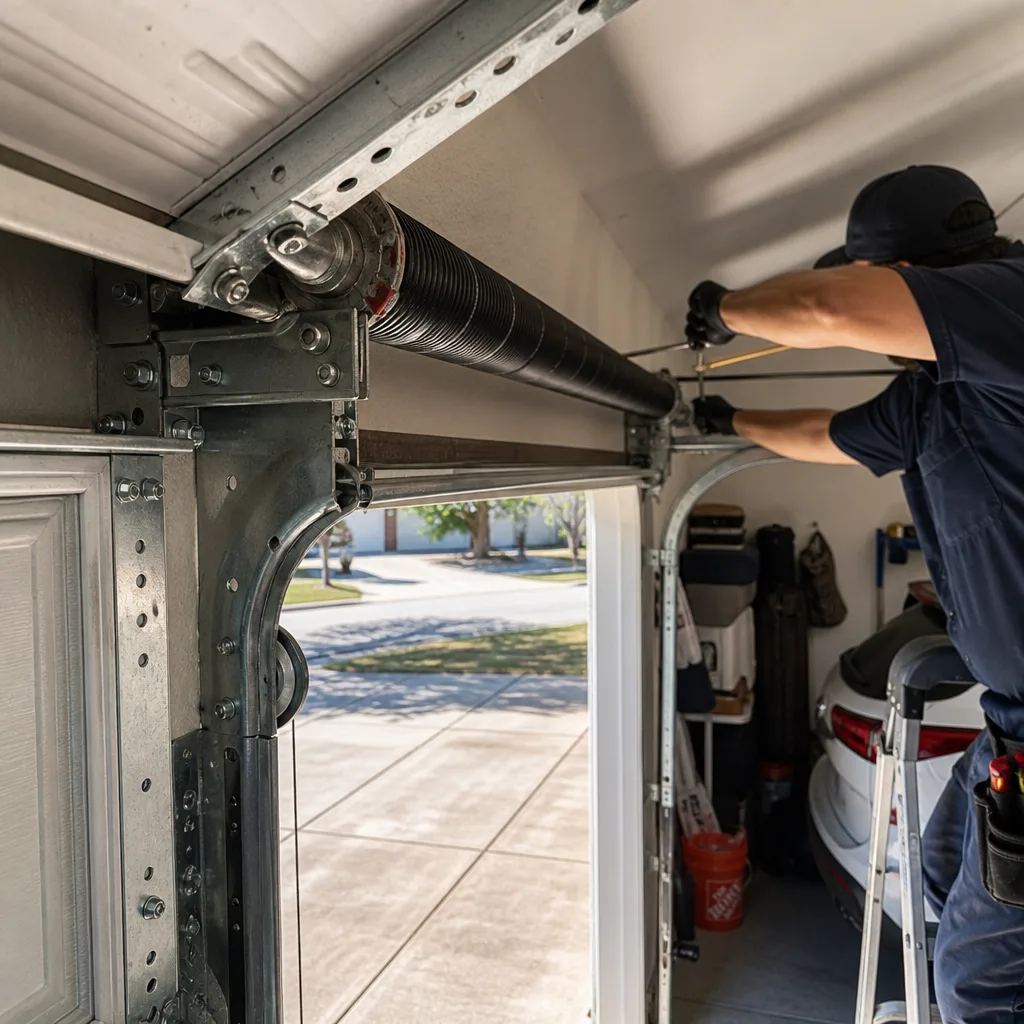 After
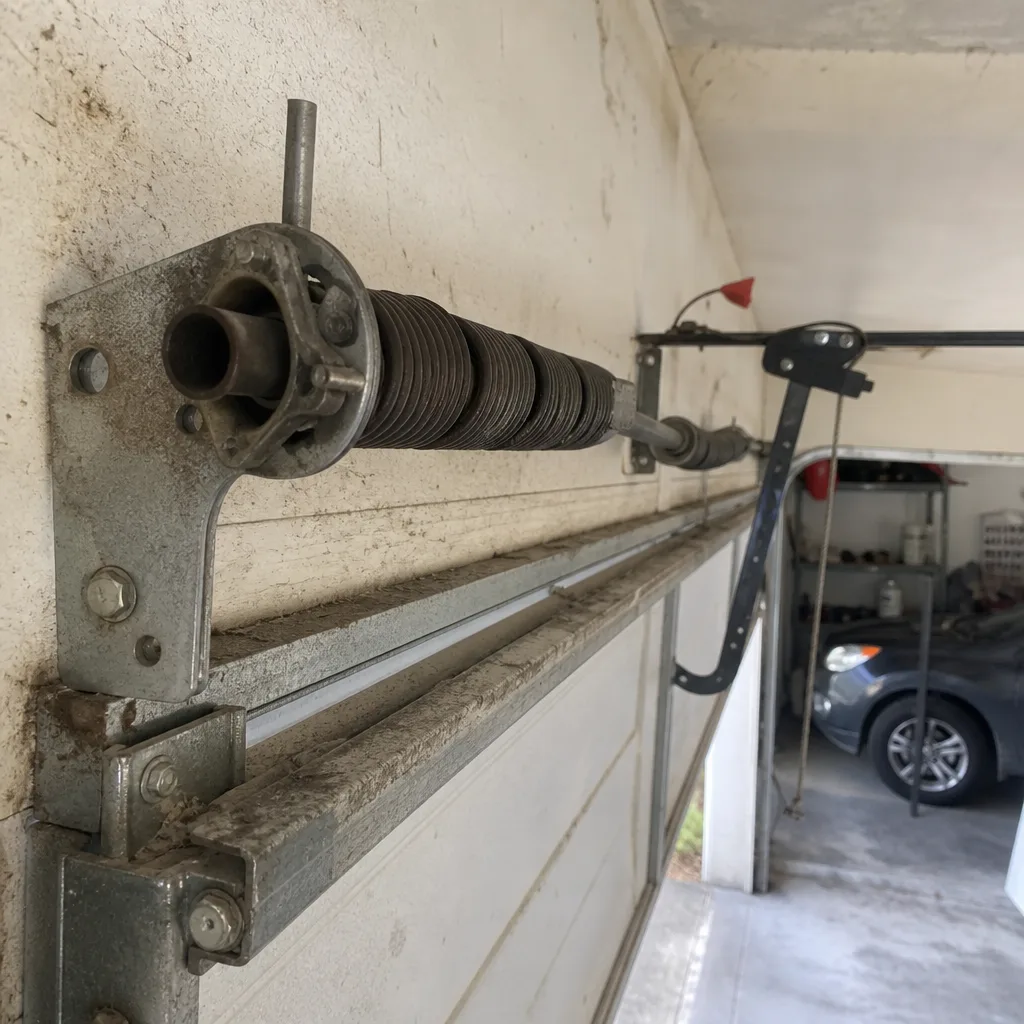 Before
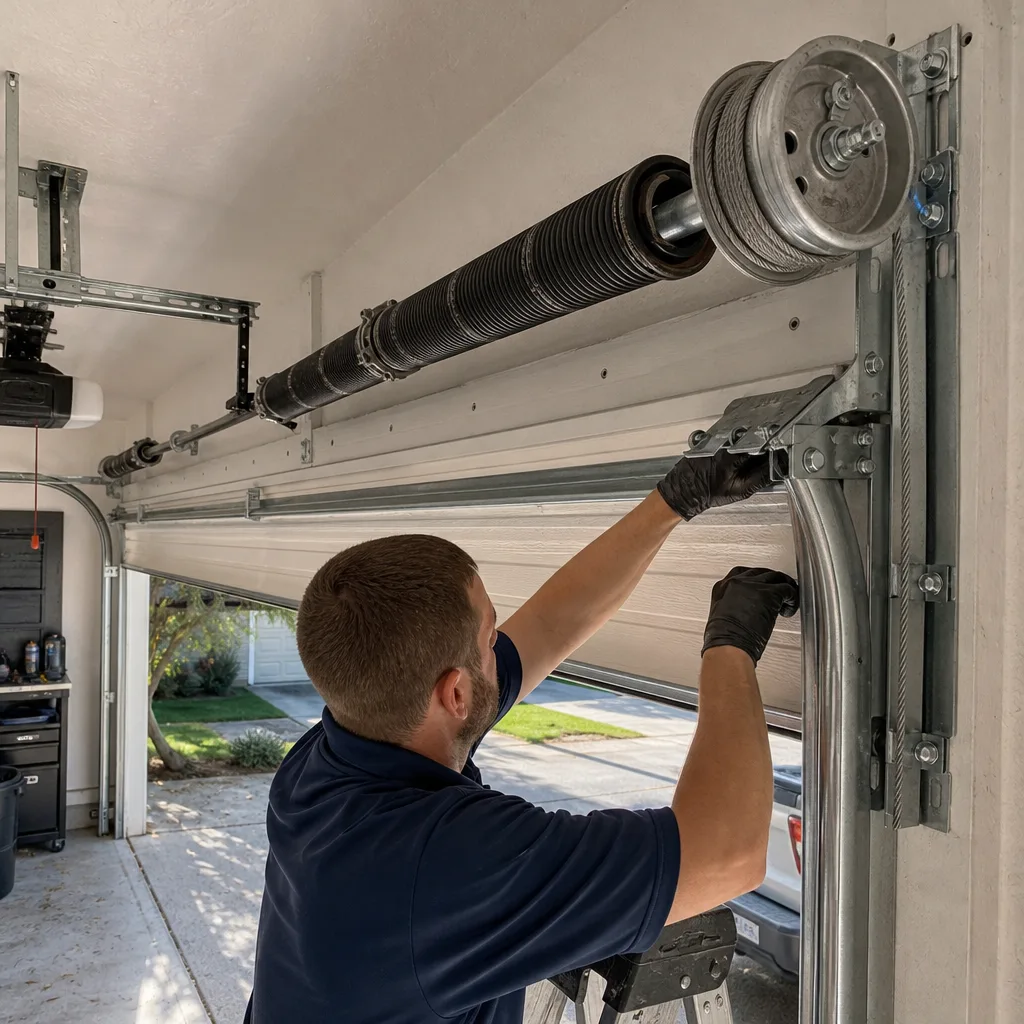 After