
Last updated October 31, 2026
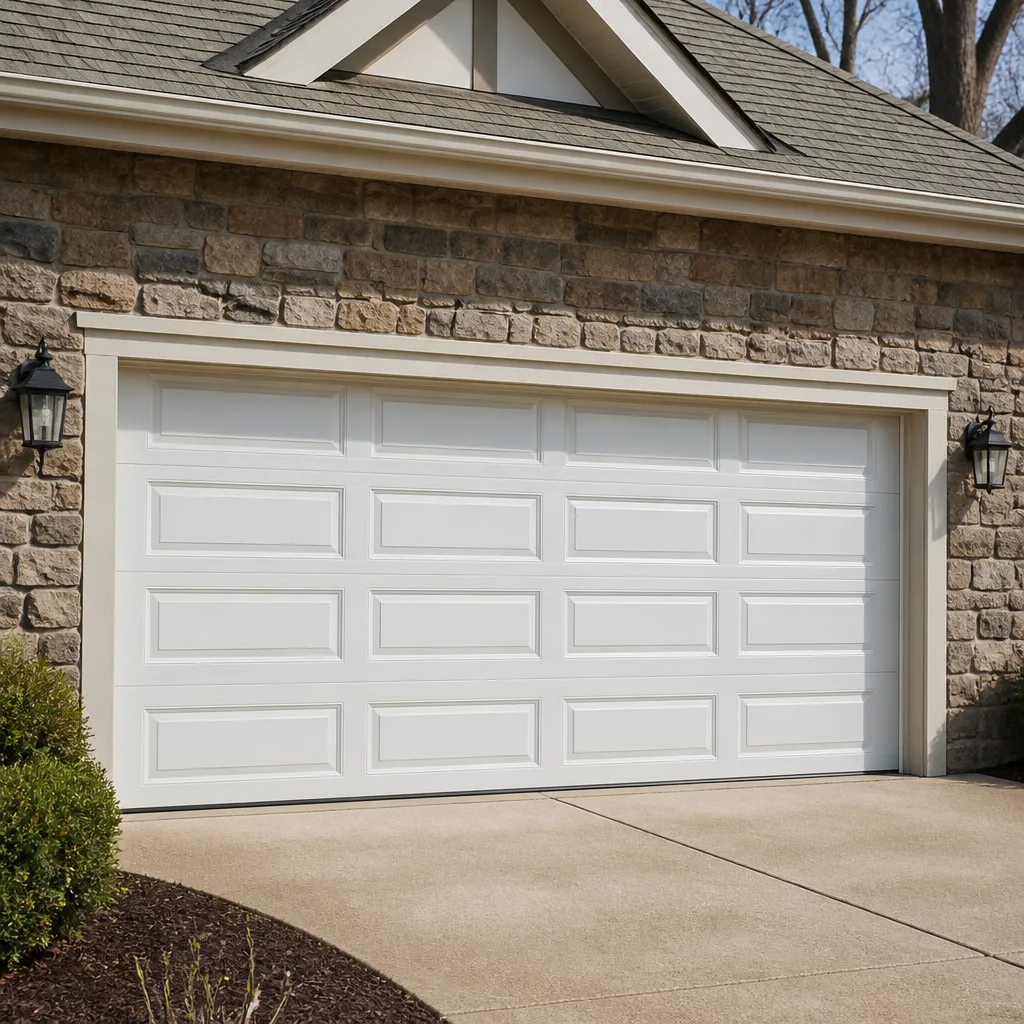 Raised-panel steel
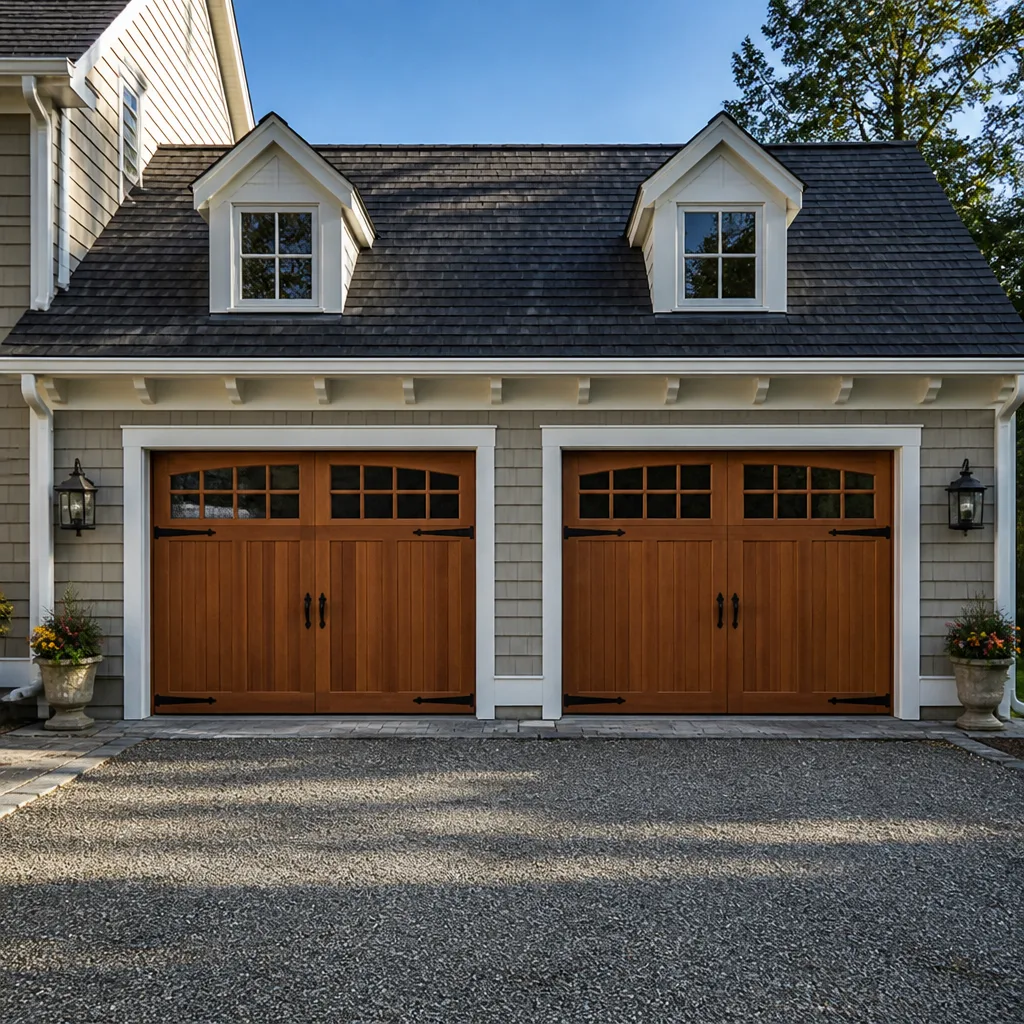 Carriage house
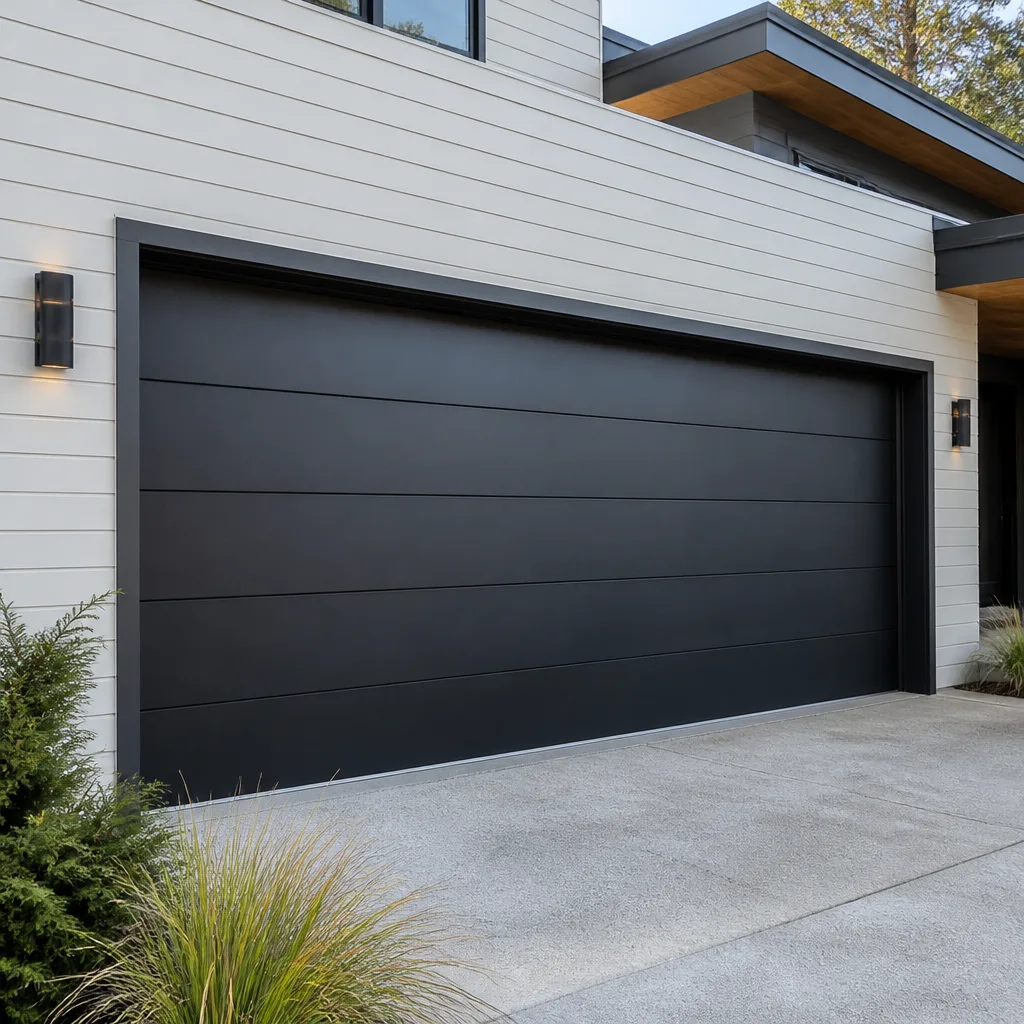 Modern flush
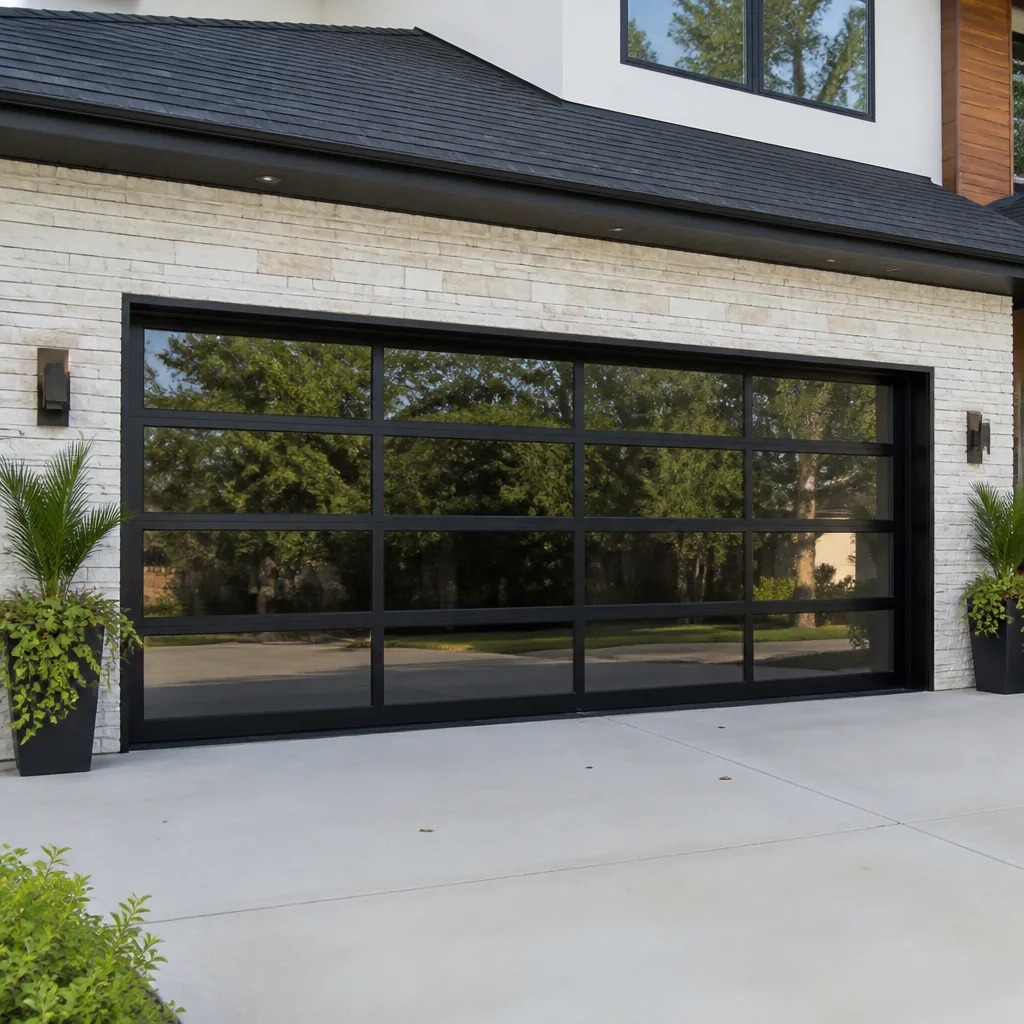 Full-view glass
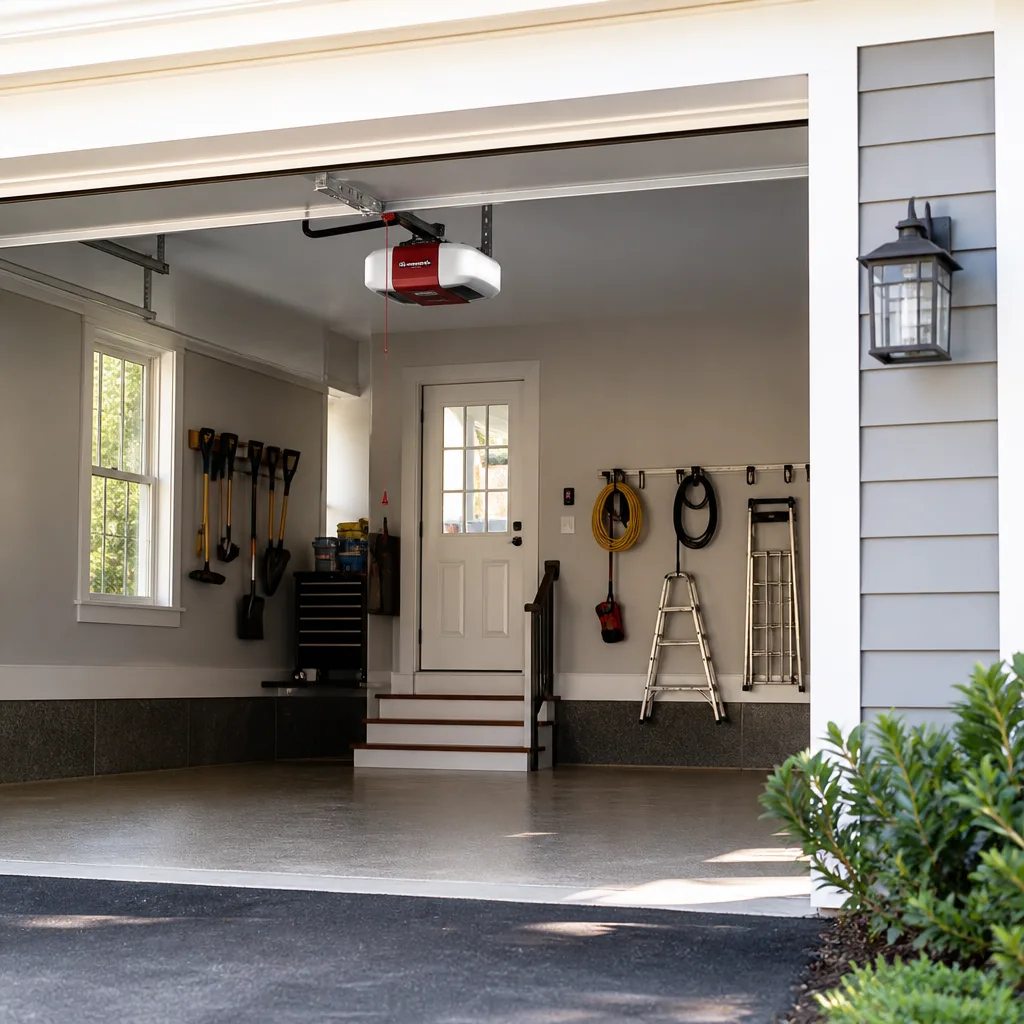 LiftMaster openers
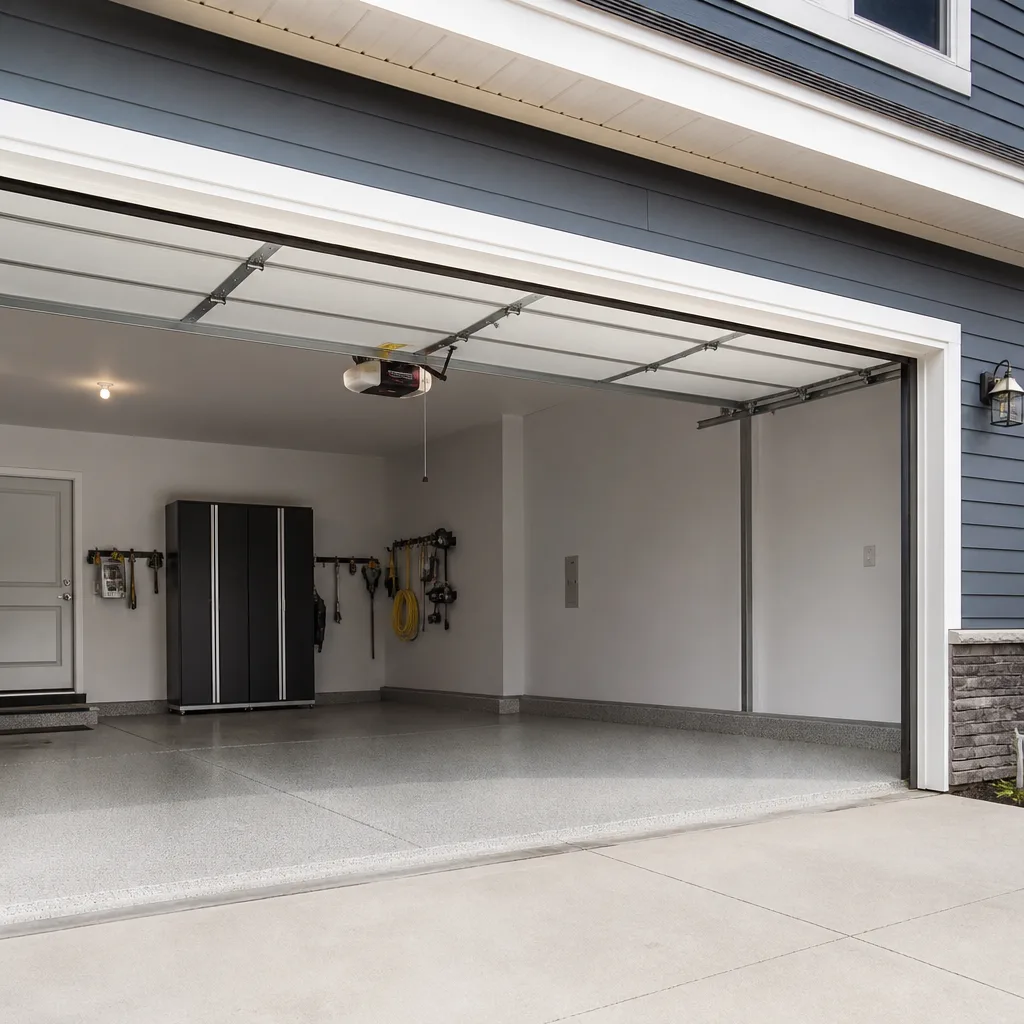 Chamberlain openers
Full 25-point door and opener safety check with every visit - springs, cables, rollers, tracks, and your LiftMaster or Chamberlain opener included
You get a price before we start. It does not change when the truck arrives.
Get your free estimateChoosing the Right Garage Door Brand: A Buyer’s Guide for Tampa
The best-selling garage door brand in the United States by volume is engineered for the average American climate – which is drier, cooler, and less hurricane-prone than Tampa’s. That single fact explains why so many homeowners end up disappointed when a door that performs flawlessly in Ohio or Colorado starts showing rust blooms, faded panels, and sluggish operation within three or four years in Hillsborough County. This guide will teach you how to evaluate garage door brands for Tampa’s specific conditions: humidity, salt air, UV intensity, and wind-load requirements. For a deeper dive, see our The Complete Guide to Garage Door in Tampa. You’ll learn which materials actually hold up, what warranty language matters, and how to avoid paying for features you’ll never use.
Quick Answer
The best garage door brand for a Tampa home depends on your distance from the coast, your home’s exposure to afternoon sun, and your budget for corrosion-resistant hardware. For most Tampa homeowners, a steel door with a polyurethane foam core, factory-applied primer on both sides of the panel, and upgraded nylon or stainless-steel rollers will outperform a basic single-layer steel door regardless of brand name. We recommend comparing brands like Clopay, Amarr, and Wayne Dalton against specific Tampa performance criteria – not national sales rankings – before making a decision.
Styles & brands we work with
Table of Contents
- How Tampa’s Climate Tests Garage Door Brands
- Steel vs. Fiberglass vs. Aluminum: What Actually Survives in Tampa
- Wind-Load Ratings: What Florida Building Code Requires
- Warranty Fine Print: What “Lifetime” Actually Means in Coastal Florida
- Parts Availability: Which Brands Have Local Tampa Distribution
- Single-Brand Dealer vs. Multi-Brand Specialist: Why the Difference Matters
- Steel Gauge Truths: What Thickness Ratings Mean for Performance
- Common Mistakes to Avoid
- When to Call a Professional
- Frequently Asked Questions
How Tampa’s Climate Tests Garage Door Brands
Tampa sits in USDA Hardiness Zone 10a and receives roughly 50 inches of rainfall annually, with summer relative humidity routinely exceeding 75 percent for weeks at a stretch. Add in the salt-laden air that drifts inland from Tampa Bay and the Gulf, and you have an environment that accelerates corrosion on steel components, degrades vinyl weatherstripping, and fades painted surfaces faster than manufacturers’ national average assumptions. A garage door in the Carrollwood or Westchase neighborhoods will age differently than an identical door three miles inland in Seminole Heights – proximity to water genuinely matters.
In our experience working on doors throughout Tampa, we see three failure patterns repeat across brands. First, bottom brackets and track hardware rust at the fastening points where protective coatings get scratched during installation. Second, torsion springs lose their original coating and develop surface rust, which shortens cycle life in humid conditions even when the spring is properly lubricated. Third, panel finishes on lower-cost steel doors begin to chalk and fade within two to three years when the door faces west or southwest. Brand matters, but so does the hardware grade and finish package. A mid-tier door with upgraded hardware will often outlast a premium-panel door wearing basic galvanized track.
Steel vs. Fiberglass vs. Aluminum: What Actually Survives in Tampa
Fiberglass garage doors were heavily marketed in Florida during the 1990s and early 2000s as the corrosion-proof alternative to steel. Time has shown that fiberglass panels embrittle under sustained UV exposure, develop hairline cracks at stress points, and yellow noticeably within five to seven years. We still replace fiberglass doors in older Tampa neighborhoods like Temple Terrace and Forest Hills, and the failure mode is almost always the same: cracked panels and faded gel-coat texture that cannot be restored. Aluminum doors avoid the rust issue but dent easily and transmit heat poorly unless specified with a thermal break and insulated core, which pushes the price up quickly.
Steel remains the dominant material for good reason: it offers the best balance of structural strength, insulation flexibility, and cost. The key is specifying the right steel door for Tampa. We recommend a minimum of 25-gauge steel with a three-layer construction – steel exterior, polyurethane or polystyrene insulation core, and steel interior skin. This configuration resists denting from afternoon thunderstorms, holds up to wind pressure, and provides a thermal barrier against the heat that builds in a garage during summer. Single-layer steel doors without insulation act like radiators, transferring afternoon heat into the garage and putting extra strain on air-conditioned laundry rooms and home offices that share a wall with the garage.
We work on Clopay, Amarr, and Wayne Dalton doors regularly across Tampa, and all three manufacturers offer steel lines with factory-applied primer on the interior skin – a detail worth insisting on. Unprimed interior steel absorbs humidity and eventually shows rust from the inside out, a failure mode that begins invisibly and becomes structural before it becomes cosmetic.
Wind-Load Ratings: What Florida Building Code Requires
Florida Building Code is the strictest in the continental United States for wind-load performance, and Tampa sits in a high-velocity hurricane zone. Any garage door installed in Hillsborough County must meet wind-load requirements determined by the specific address – the exact rating depends on your distance from the coast, the surrounding terrain, and your home’s exposure category. A home on Davis Islands needs a different wind-load certification than a home in Lutz or Thonotosassa.
Here is what to verify before buying a door in Tampa:
- Check the label. Every code-compliant garage door carries a wind-load certification label from an approved testing agency. If the label is missing or illegible, the door does not meet code.
- Confirm the design pressure rating. The door’s design pressure rating, measured in pounds per square foot, must meet or exceed the requirement for your specific property. Your installer should calculate this before ordering.
- Verify the reinforcing post installation. Florida Building Code requires vertical reinforcing posts or struts on most residential garage doors. A door shipped without reinforcing struts is not code-compliant for Tampa.
- Insist on a permit. Garage door replacement in Tampa requires a permit from the city or Hillsborough County. A contractor who suggests skipping the permit is asking you to carry the liability.
- Match the opener to the door. The garage door opener must be sized to the door’s weight, not the door’s width. Heavier wind-rated doors demand openers with adequate lifting capacity.
Brands like Wayne Dalton, Amarr, and Clopay all manufacture wind-rated doors – the question is whether the specific model is configured and reinforced properly for a Tampa installation. A wind-load door that is not installed with the correct struts and track hardware provides a false sense of security.
Warranty Fine Print: What “Lifetime” Actually Means in Coastal Florida
“Lifetime warranty” is the most misunderstood phrase in garage door marketing. In most cases, the lifetime designation applies only to the door sections themselves and specifically covers manufacturing defects – delamination, adhesive failure, or steel core separation. It does not cover finish degradation, rust, or surface corrosion, which are the failures most common in humid, salt-adjacent environments like Tampa. A homeowner in South Tampa who discovers rust bubbles under the paint on a two-year-old door will often find that the warranty claim is denied because corrosion is classified as an environmental condition, not a manufacturing defect.
The warranty components that actually matter for Tampa buyers are these:
- Finish warranty duration. Look for a stated number of years on the paint or coating system. Premium doors from Amarr and Clopay typically offer finish warranties of one to three years, and some commercial-grade lines extend further.
- Hardware warranty. Springs, rollers, hinges, and cables carry separate, shorter warranties. Tampa’s humidity shortens the practical lifespan of these parts regardless of warranty language, so plan on replacing rollers around the seven-year mark.
- Transferability. Some manufacturers void the warranty when the door is sold with the home. If you plan to sell within five years, check whether the warranty transfers to the next owner.
- Installation verification. Many manufacturers require installation by a certified dealer for warranty coverage. A door purchased from a big-box retailer and installed by a day laborer may carry no enforceable warranty at all.
We have seen warranty claims honored and denied across every major brand. The common thread in successful claims is thorough documentation: dated photos of the failure, installation records, and a clear paper trail from the original purchase. The common thread in denied claims is corrosion and fading – which is why the finish package you pay for upfront matters more than the warranty you hope to use later.
Parts Availability: Which Brands Have Local Tampa Distribution
A garage door is only as serviceable as its parts supply chain. This is where brand choice affects you long after the initial purchase. When a spring snaps on a Saturday morning or a hinge tears out of a panel at 7 a.m. on a workday, the lead time for a replacement part determines whether the repair happens in hours or weeks.
Clopay and Amarr maintain the strongest parts availability in the Tampa market. Both manufacturers supply through regional distribution centers that serve Hillsborough, Pinellas, and Pasco counties, which means common components – springs, hinges, rollers, tracks, bottom brackets – are typically available same-day or next-day from local suppliers. Wayne Dalton parts are generally available but often require a two-to-three-day lead time for less common components. Craftsman, a brand with deep retail penetration through its historical relationship with Sears, now carries a more limited commercial parts channel, and replacement panels for older Craftsman doors can require manufacturing lead times of two weeks or more.
What this means practically: before you buy any door in Tampa, ask the dealer which local distributor will carry your replacement parts in stock. A door from a brand with weak regional distribution is not a cheaper door – it’s a door with a built-in delay when something fails. We service doors from LiftMaster, Chamberlain, Genie, Clopay, Amarr, Wayne Dalton, Craftsman, and Raynor across the Tampa area, and the difference in parts availability between top-tier and budget brands is significant and predictable.
Single-Brand Dealer vs. Multi-Brand Specialist: Why the Difference Matters
Single-brand dealers exist for a reason: manufacturers offer volume incentives, co-op marketing funds, and certification programs that make exclusivity attractive. But a Tampa homeowner should understand the structural bias this creates. A dealer whose business depends on selling one manufacturer’s product line cannot tell you that a competing brand’s corrosion-resistant hardware package outperforms at the same price point – doing so would undermine their own dealership agreement.
A multi-brand specialist starts from a different position. We work on eight major garage door and opener brands without a sales quota attached to any of them, which changes the nature of the recommendation. When we tell a homeowner in Palma Ceia that Amarr’s insulated steel line fits their needs better than Clopay’s comparable model, the recommendation carries weight because we could sell either. When we tell a homeowner in Brandon that their existing Wayne Dalton door is worth repairing rather than replacing, that advice costs us a sale. The brand-agnostic model is not a marketing slogan – it’s a structural difference in how the advice is generated.
This matters especially when the answer isn’t a new door. Garage Door Repair in Tampa often reveals that a failing door can be restored with new springs, rollers, and a tune-up for a fraction of the replacement cost. A single-brand dealer has little incentive to steer you toward repair over replacement. The full-lifecycle view – repair, opener repair, and installation under the same roof – changes which option looks like the right financial decision.
Steel Gauge Truths: What Thickness Ratings Mean for Performance
Steel gauge is a counterintuitive measurement: lower numbers mean thicker steel. A 24-gauge door panel is thicker and more dent-resistant than a 27-gauge panel. But gauge alone is an incomplete measure of door quality. The overall torsional stiffness of a garage door section comes from the combination of steel gauge, panel profile geometry, and interior bracing. A 27-gauge door with deep embossed ribs can outperform a flat 25-gauge panel in certain wind conditions.
Here’s a realistic breakdown for Tampa buyers:
- 27-28 gauge: Budget doors, usually single-layer construction. Acceptable for carports and detached garages, but prone to denting and fail quickly in coastal wind conditions.
- 25-26 gauge: The residential sweet spot. Available in two and three-layer configurations. Sufficient for most Tampa single-family homes when paired with wind-load reinforcement.
- 24 gauge: Heavier-duty residential and light commercial doors. The right choice for homes within two miles of the bay or Gulf, or garages that face prevailing winds without the protection of neighboring structures.
We also recommend matching the gauge to the insulation type. Steel doors with expanded polystyrene (EPS) cores provide basic thermal resistance and add structural stability, but polyurethane-injected doors create a stronger composite bond that resists panel flexing in high winds. For Tampa’s climate, the combination of 25-gauge steel and a polyurethane core represents the best cost-to-performance ratio for most homes. Your Garage Door Installation in Tampa project should start with this baseline, then adjust for your specific location and wind-load requirements.
Common Mistakes to Avoid
- Buying on brand name alone. A national best-seller can be the wrong door for Tampa. Evaluate the specific model’s finish, hardware grade, and wind-load certification, not the logo on the box.
- Skipping the wind-load calculation. A door that is not engineered for your specific Tampa address violates Florida Building Code and leaves your home vulnerable during a storm. This is not an optional upgrade.
- Paying for features you won’t use. Decorative window inserts on a west-facing door in South Tampa will cook the garage interior and fade within a few seasons unless specified with UV-resistant glass.
- Choosing a door for its color. Darker finishes absorb more heat, which accelerates paint degradation and increases thermal stress on panel adhesives. In Tampa’s sun, color choice has structural consequences.
- Neglecting the opener. A new door paired with an undersized or aging opener is a system failure waiting to happen. The opener’s lifting capacity must match the door’s actual weight, not its listed width.
- Assuming all installers are equal. A code-compliant wind-load door assembled by someone who skips reinforcing struts or uses the wrong fasteners performs no better than a cheap door. Installation quality is a material specification.
- Ignoring parts availability until you need a part. If your door breaks and the replacement panel takes three weeks to ship, the savings you captured at purchase evaporate in inconvenience.
When to Call a Professional
Replacing a garage door in Tampa involves high-tension springs, heavy panels, and wind-load code compliance – none of which is a safe weekend project. If your existing door has a broken spring, bent track, or a panel that doesn’t sit square in the opening, the safest move is to stop using the door and call a trained technician. Torsion springs under full tension release enough stored energy to cause serious injury when mishandled. The same applies to any opener repair involving Garage Door Opener Repair in Tampa – electrical components and drive systems are not DIY territory.
If you’re in the research phase, call a professional for an in-person assessment before you commit to a brand. Or explore The Complete Garage Door Repair Guide for Tampa Homeowners to prepare for that conversation. A technician can measure your existing door, calculate wind-load requirements for your specific address, and tell you whether your rails, brackets, and opener can be reused. Fieldstone Garage Door Repair offers free estimates in Tampa – call (855) 360-5925 and we’ll give you a straight answer on what your project actually needs.
Frequently Asked Questions
The best brand is the one that offers the right combination of steel gauge, insulation type, corrosion-resistant hardware, and wind-load certification for your specific Tampa location. Clopay, Amarr, and Wayne Dalton all manufacture models that perform well in humid, high-UV conditions when specified correctly – but the model selection matters more than the brand name.
A well-specified, properly installed garage door in Tampa typically lasts 15 to 20 years, though roller bearings, springs, and weatherstripping wear out sooner and need replacement along the way. Doors with unprimed interior steel or basic hardware will show rust and finish degradation within three to five years in coastal Tampa neighborhoods. Call (855) 360-5925 for an honest assessment of your current door’s remaining lifespan.
Yes. Florida Building Code requires garage doors in Hillsborough County to meet wind-load requirements specific to your address. The door must carry a certification label, include reinforcing posts or struts, and be installed under permit. A standard door sold in a national retail chain may not meet Tampa’s wind-load code without additional reinforcement.
We strongly advise against it. Garage door springs carry dangerous tension, panels are heavy enough to cause crushing injuries, and Florida’s wind-load code requirements create liability issues for unpermitted installations. A professional installer handles the permit, the engineering, and the safety concerns. The team at Fieldstone handles full installation so you never have to touch a spring yourself.
A mid-range insulated steel door installed in Tampa typically costs between $1,500 and $4,000 depending on size, insulation type, finish options, and wind-load requirements. The price is always quoted and agreed before any work starts – no surprises after the job. Call (855) 360-5925 for an exact quote on your specific door.
Craftsman doors remain on many Tampa homes, but the brand’s parts channel has narrowed since Sears closed its retail operations. If you own a Craftsman door, it can usually be repaired with compatible hardware. If you are buying new, consider parts availability carefully – Clopay and Amarr maintain stronger local distribution in the Tampa market.
The Bottom Line
Choosing a garage door brand in Tampa means thinking past national brand rankings and asking a local question: what will this door look like and how will it perform after five years of salt air, afternoon storms, and hurricane-season winds? The right answer involves steel gauge, insulation type, hardware grade, wind-load certification, and parts availability – criteria that matter more than the name stamped on the panel. Compare brands against those measures, verify the warranty language, and insist on a permitted, code-compliant installation. Browse our more guides & resources for additional Tampa-specific home maintenance advice. Get those things right and your door will serve you for two decades. Get them wrong and you’ll pay for it twice.
Written by the team at Fieldstone Garage Door Repair home, serving Tampa since 2013.
See the difference
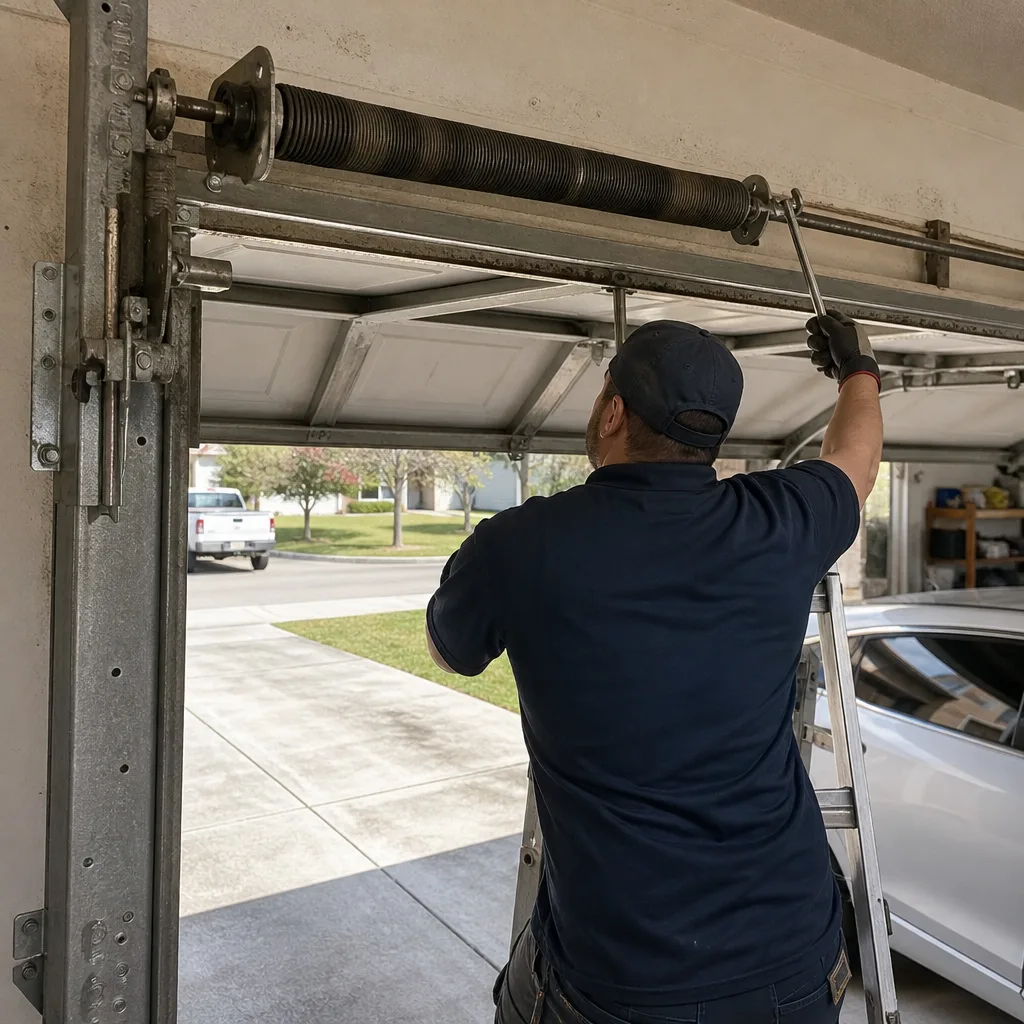 Before
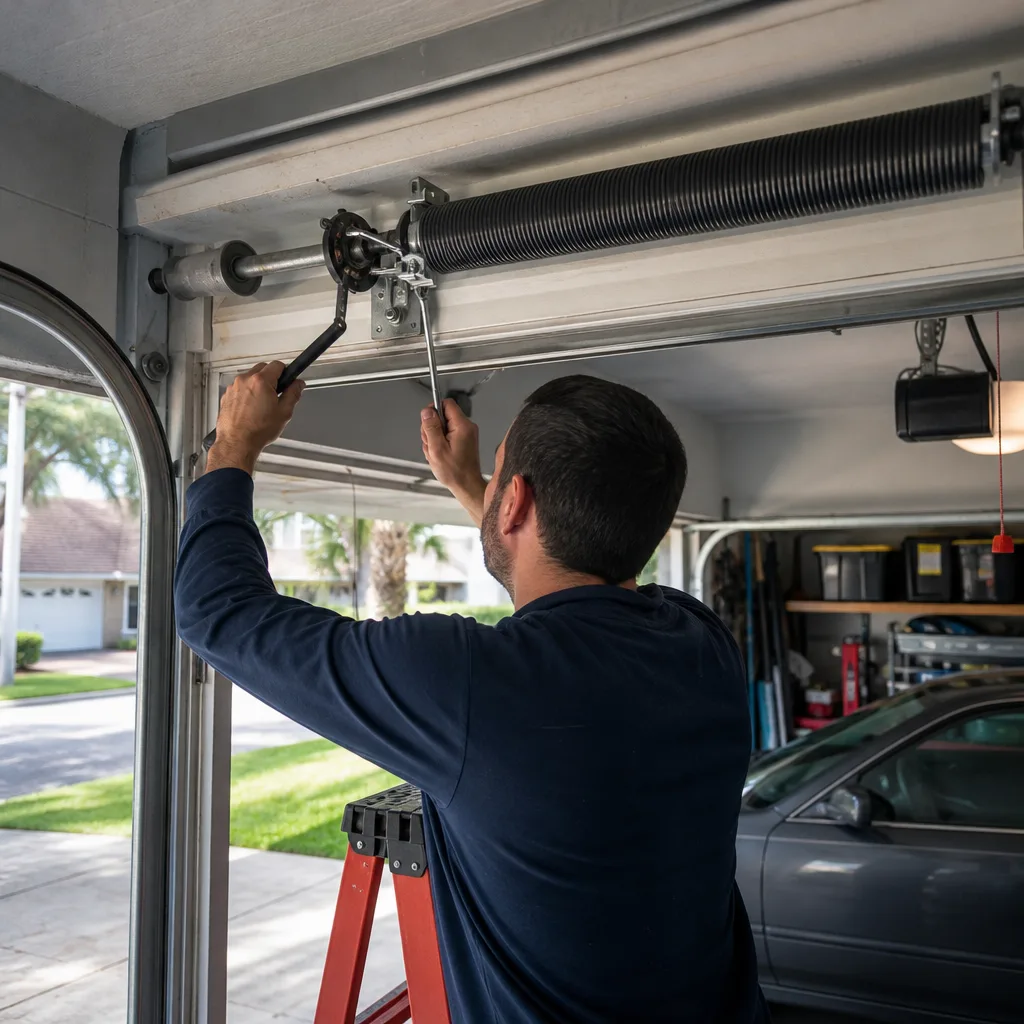 After
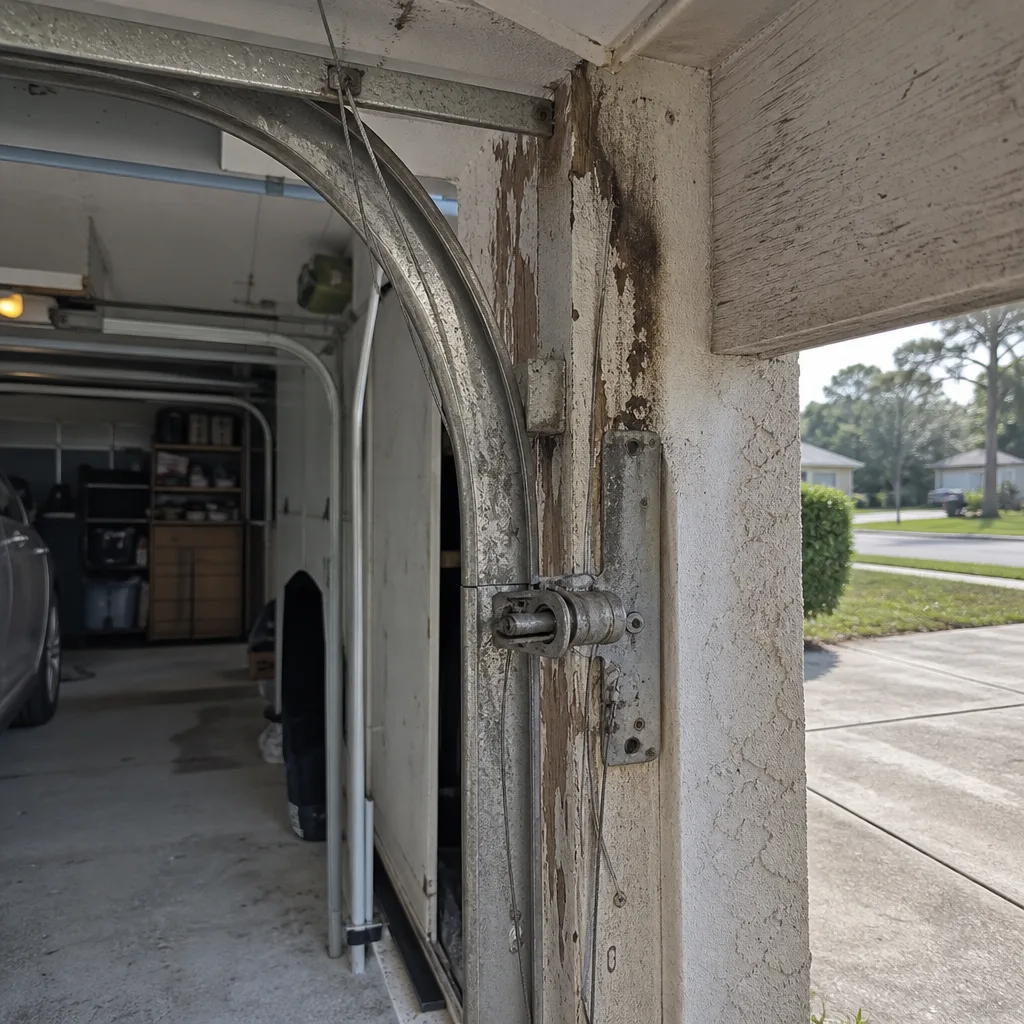 Before
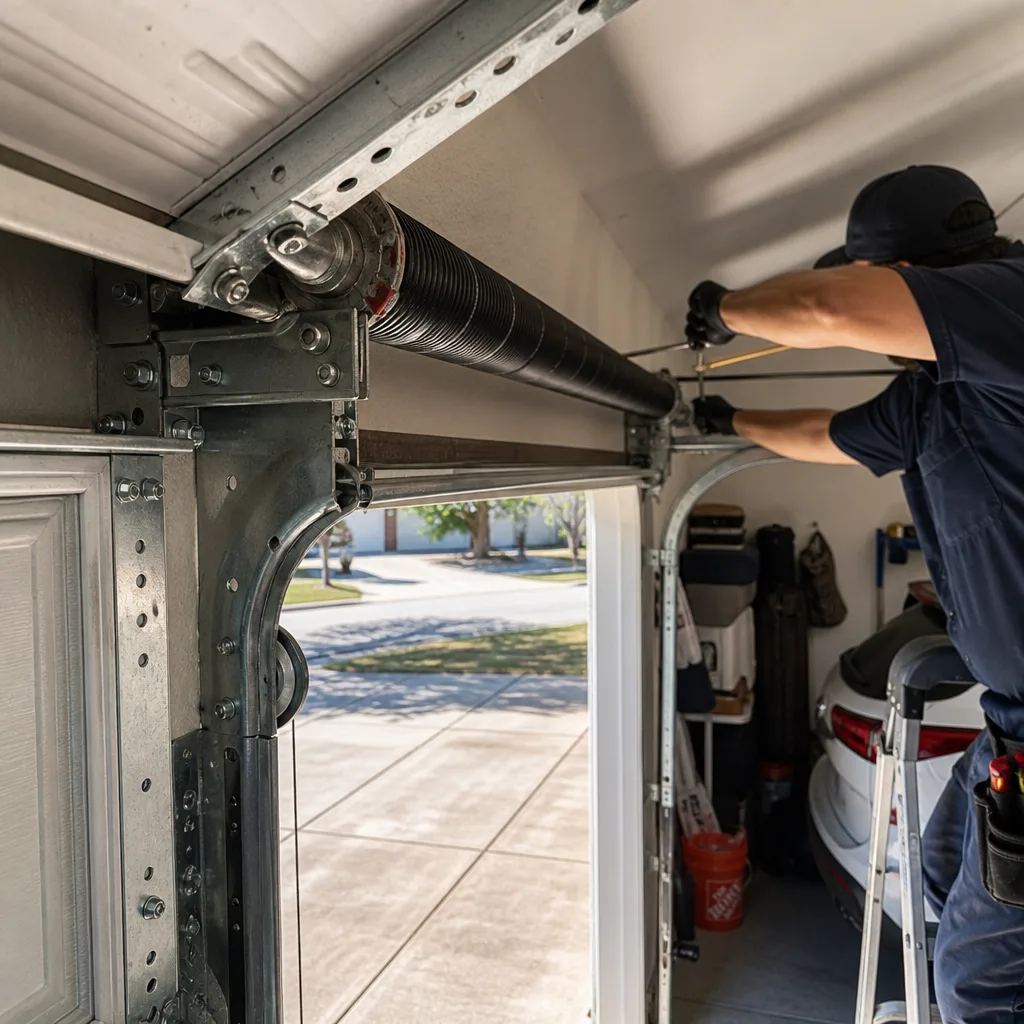 After
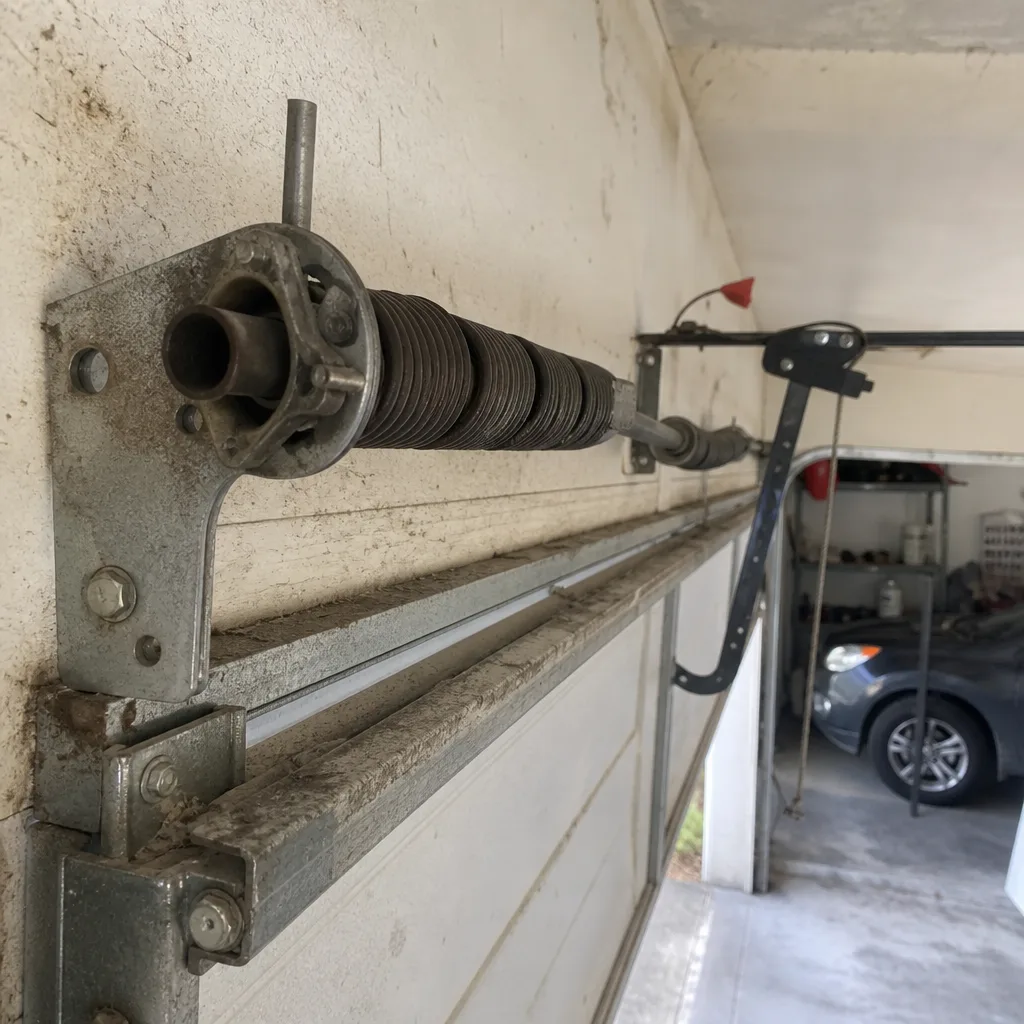 Before
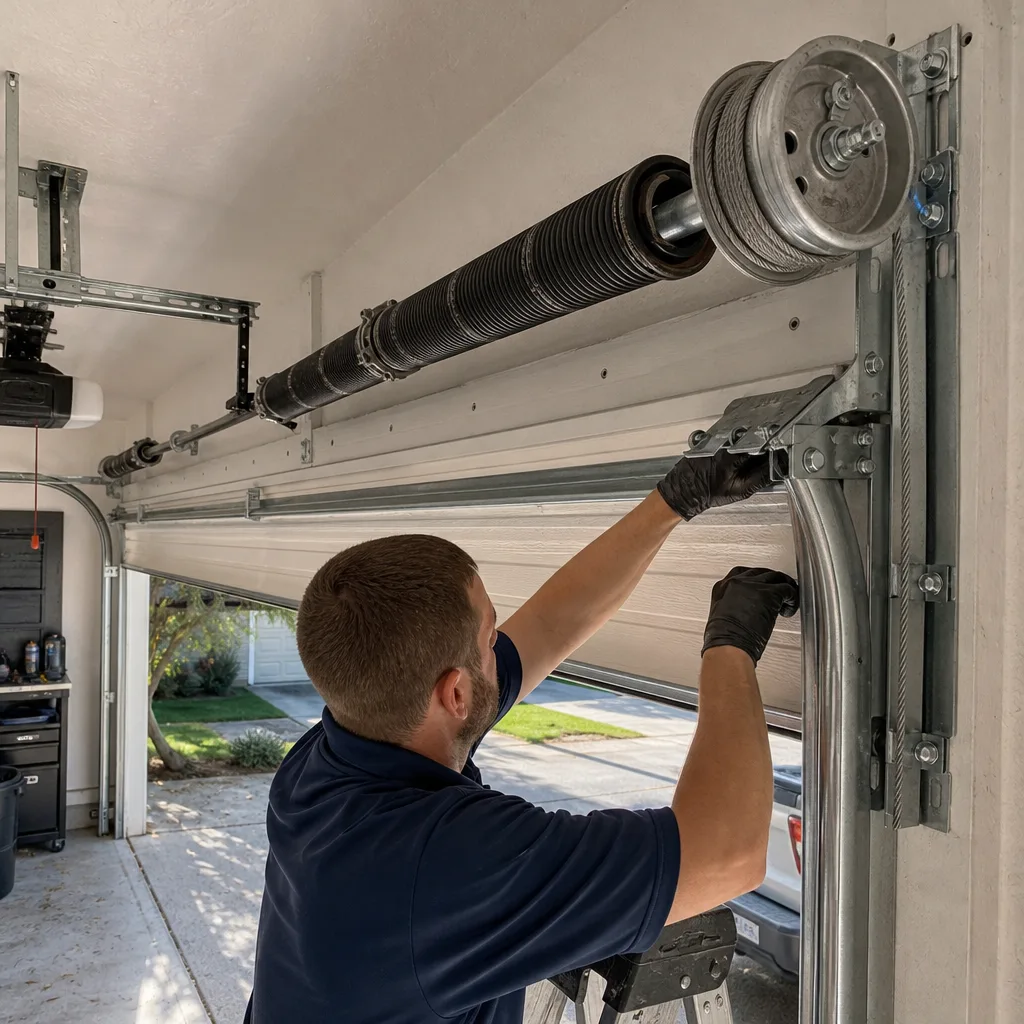 After