
Last updated October 31, 2026
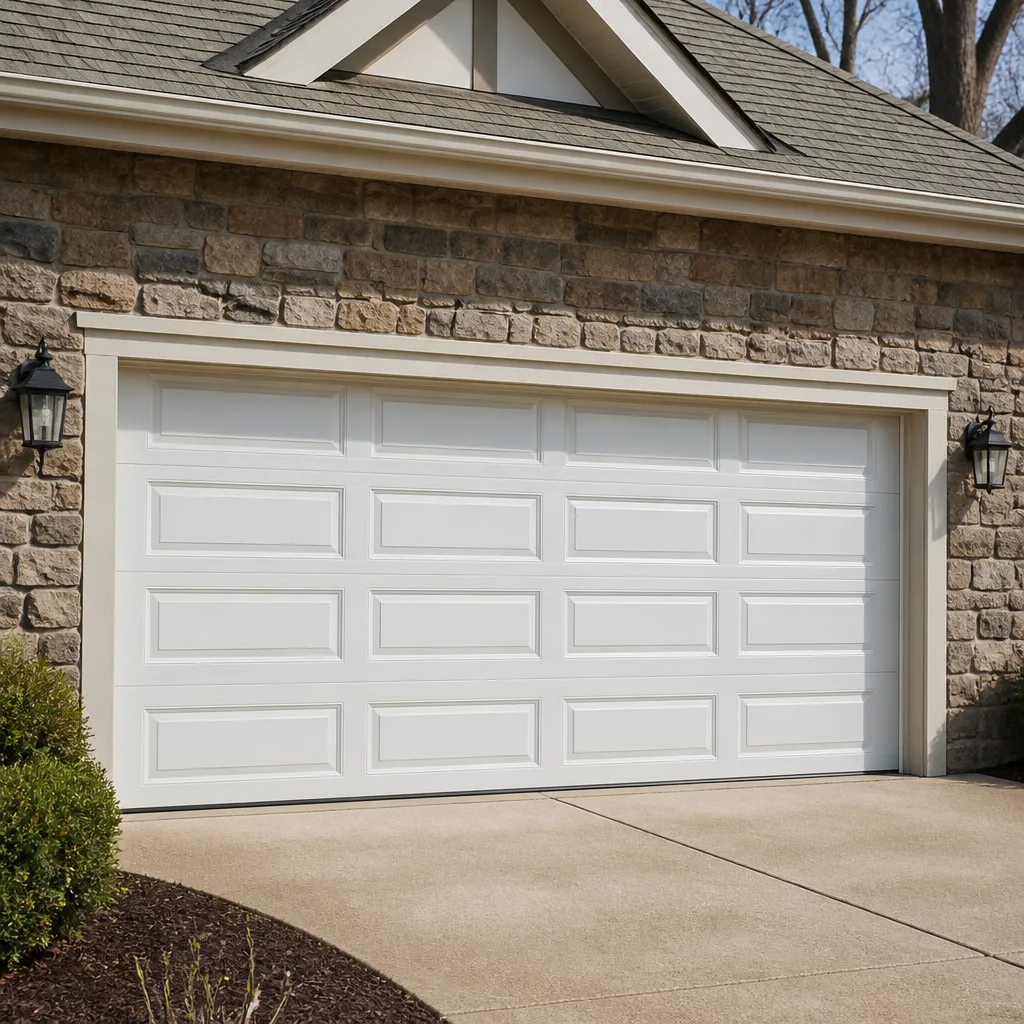 Raised-panel steel
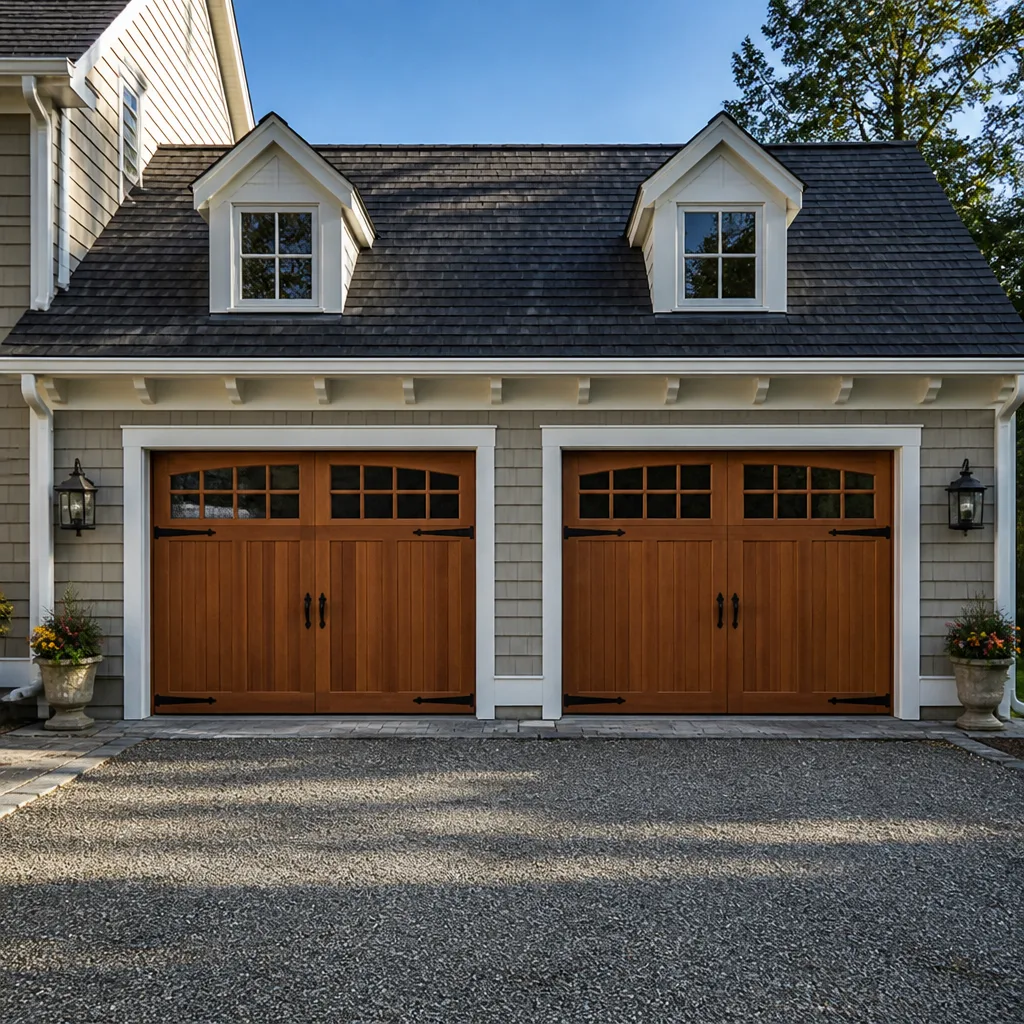 Carriage house
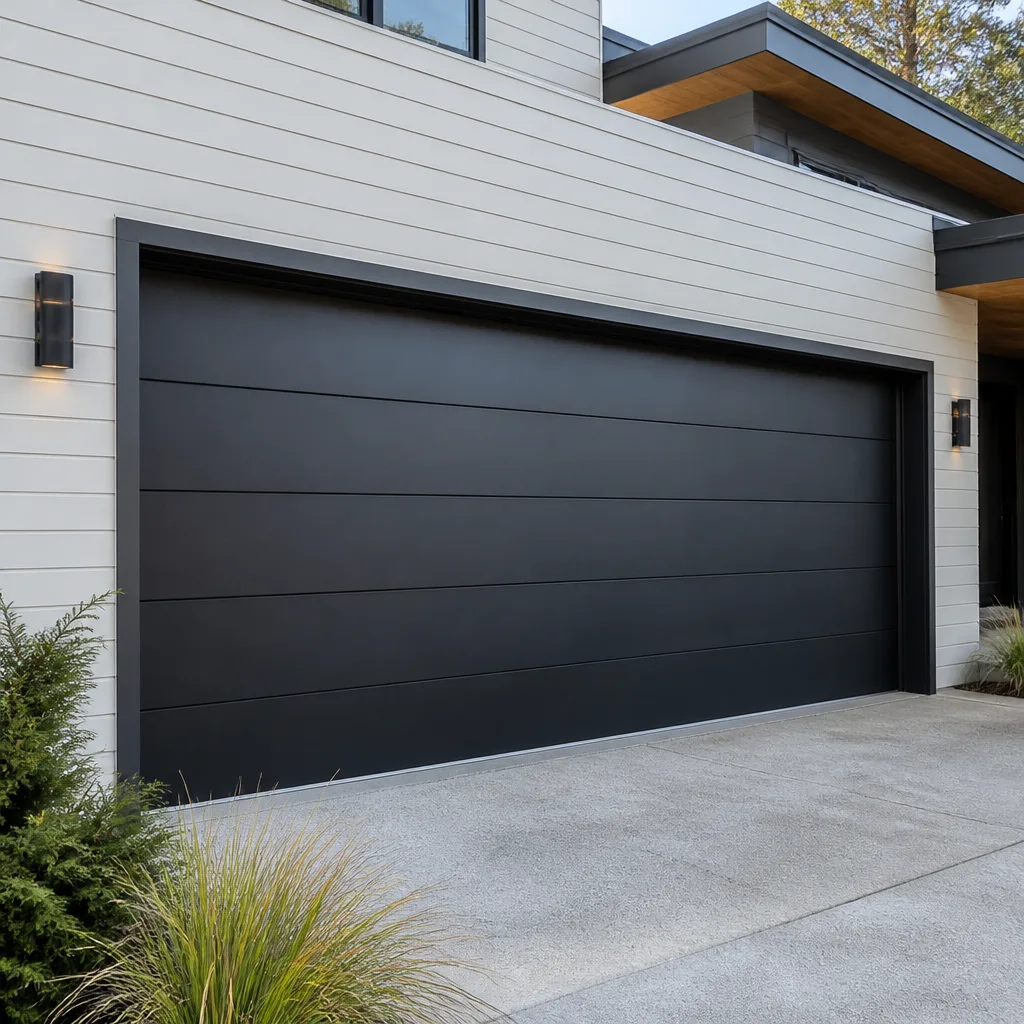 Modern flush
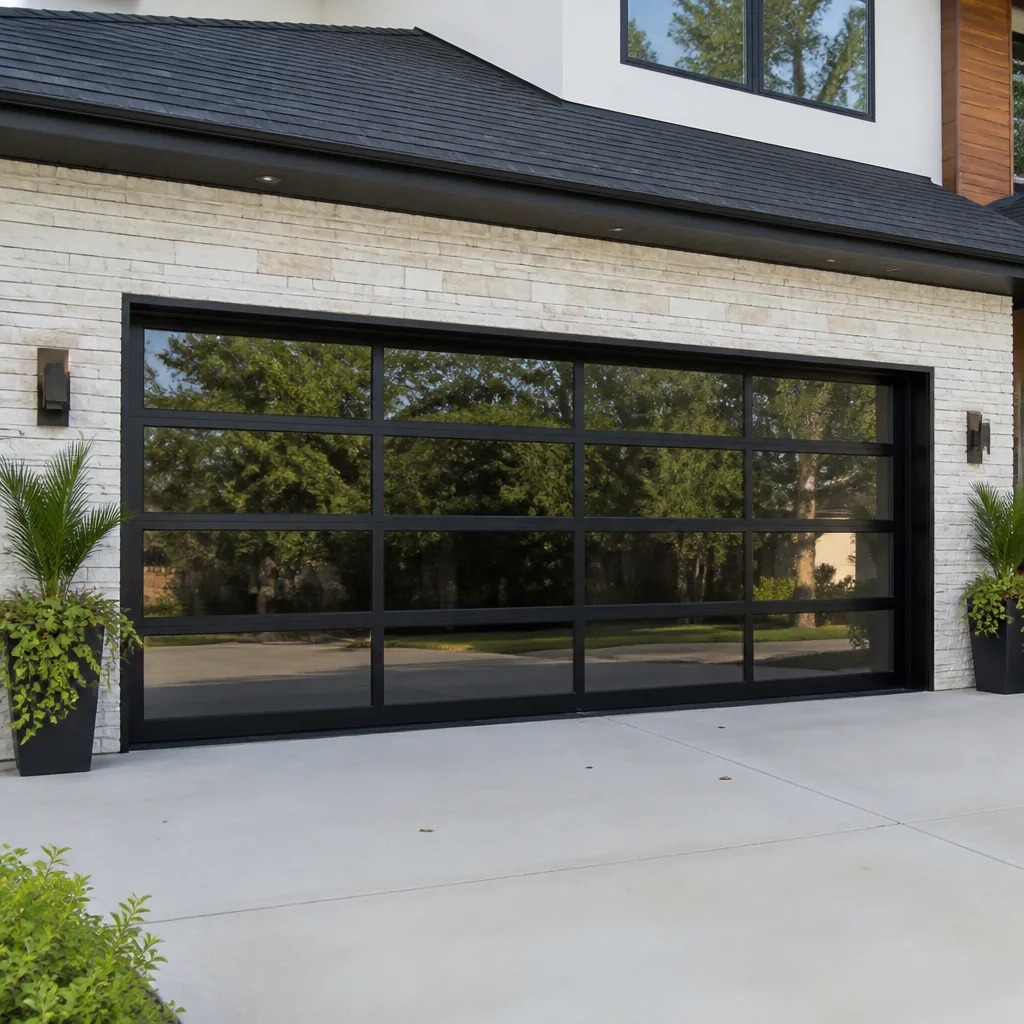 Full-view glass
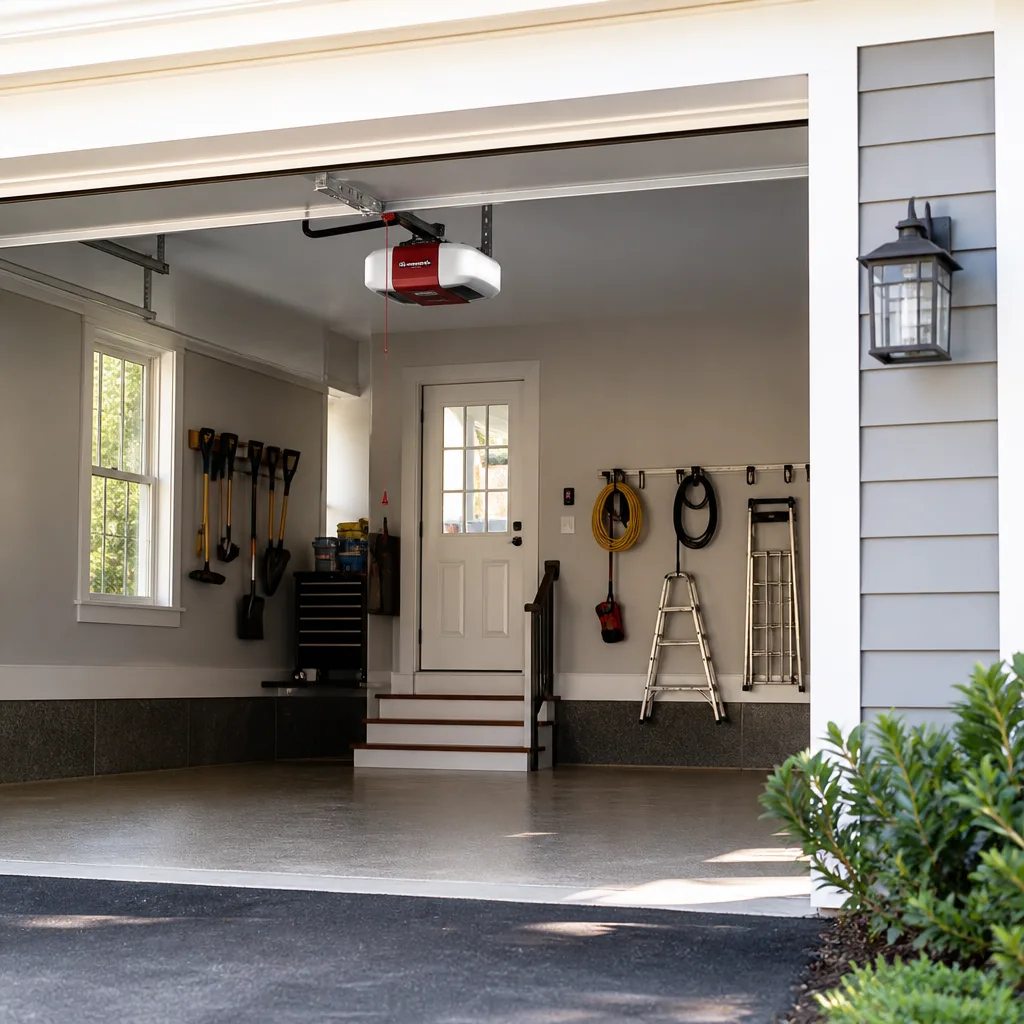 LiftMaster openers
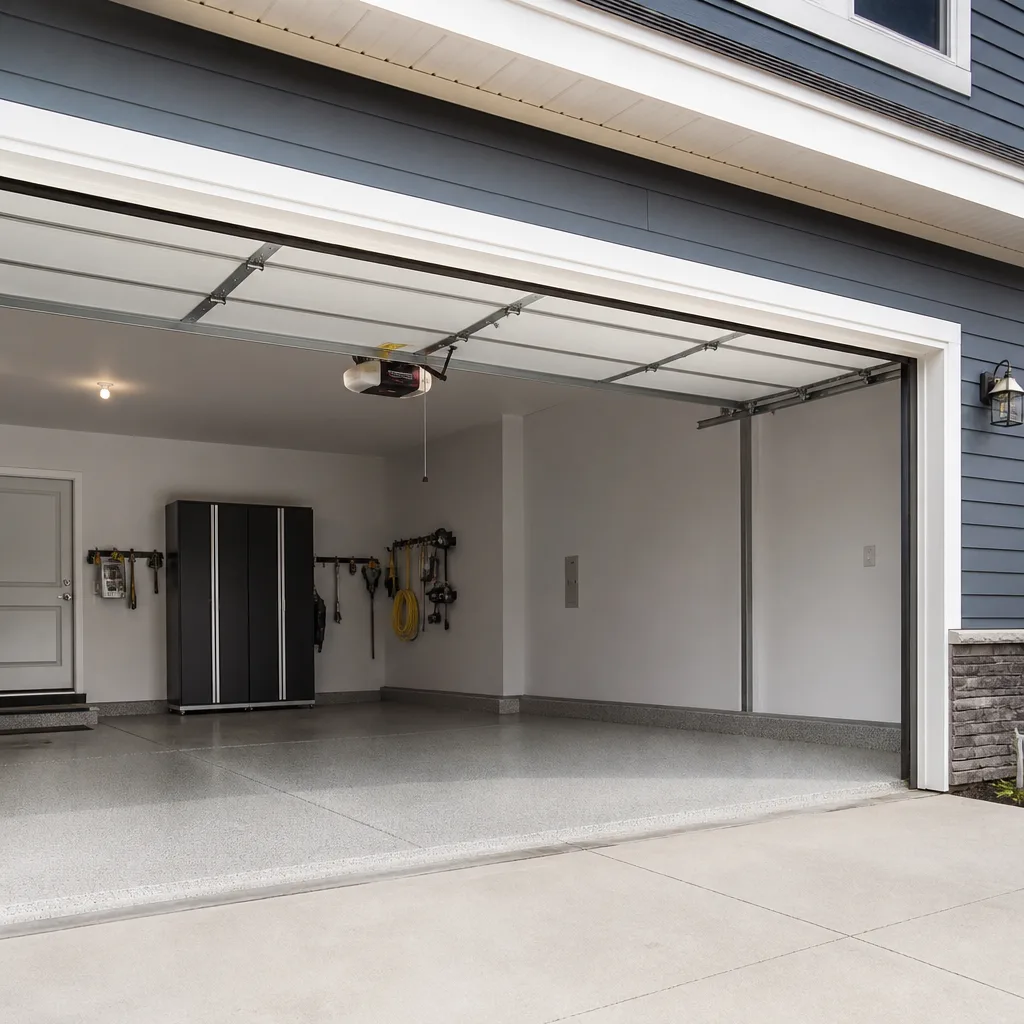 Chamberlain openers
Full 25-point door and opener safety check with every visit - springs, cables, rollers, tracks, and your LiftMaster or Chamberlain opener included
You get a price before we start. It does not change when the truck arrives.
Get your free estimateGarage Door Permits, Codes & Inspections in FL: What You Need to Know
An unpermitted garage door replacement in Florida can void your homeowner’s insurance claim after storm damage. That’s not a worst-case hypothetical, it’s a reality we’ve watched unfold in Tampa neighborhoods from Westchase to South Tampa after Hurricane Ian and Idalia. Most contractors who skip permits won’t volunteer this detail. This guide explains what the Florida Building Code actually requires, when Hillsborough County demands a permit, how the inspection process works on the ground in Tampa, and what to do if a previous owner left you with an undocumented door. For Garage Door Warning Signs: A Tampa Homeowner’s Reference Guide, see our related resource.
Quick Answer
In Florida, garage door replacements require a permit when the opening size changes, structural framing is altered, or the new door does not meet current wind-load standards for your wind zone. Like-for-like replacements that preserve the original opening and meet Florida Building Code Section 1609 wind-load requirements may qualify for an exemption in Hillsborough County, but the burden of proving that exemption falls on you when you sell the home or file an insurance claim.
Styles & brands we work with
Table of Contents
- When a Garage Door Permit Is Required in Florida
- The Hillsborough County Like-for-Like Exemption: What Actually Qualifies
- Florida Building Code Section 1609: Wind-Load Standards Explained
- How the Inspection Process Works in Tampa
- The Insurance Angle: Why Permit Records Matter After a Storm
- Finding an Unpermitted Door During a Home Sale
- What Documentation Your Installer Must Provide
- What Permits and Inspections Cost in Tampa
When a Garage Door Permit Is Required in Florida
Florida’s permitting framework doesn’t treat every garage door job the same. The state code establishes the baseline, and local jurisdictions like Hillsborough County layer their own requirements on top. Here’s the short version: a permit is required when the work changes the structure, the opening, or the door’s ability to resist wind pressure.
Specifically, you need a permit in Hillsborough County when:
- The garage door opening is being enlarged, narrowed, or otherwise altered
- Header beams, jambs, or structural framing around the opening are being modified
- The replacement door is heavier than the original and requires reinforcement of the opening
- The new door does not carry a Florida Product Approval or Miami-Dade NOA (Notice of Acceptance) for your wind zone
- You’re converting a carport to an enclosed garage
- You’re adding a new garage door where none previously existed
Most homeowners in Tampa encounter the permit question during two moments: a full door replacement after storm damage, or a retrofit upgrade to a hurricane-rated door. Both situations involve wind-load compliance, which is what the permit process is actually designed to verify. In our experience working across Tampa’s older neighborhoods like Seminole Heights and Palma Ceia, homes built before 2002 often have openings that don’t meet current code, and that’s where permit requirements get triggered even when the door size doesn’t change.
The Hillsborough County Like-for-Like Exemption: What Actually Qualifies
Hillsborough County allows certain garage door replacements to proceed without a permit. This exemption is narrow, and it’s the source of more confusion than any other part of the process. Here’s what actually qualifies.
A like-for-like replacement may be exempt when all of the following are true:
- The door’s dimensions, weight, and operation type match the original
- No structural components (header, jambs, mounting points) are modified
- The new door carries product approval documentation showing compliance with the wind-load requirements for your specific wind speed zone
- The opening itself remains entirely unchanged
- The replacement is not part of a larger renovation that already requires a permit
The keyword is “may.” Hillsborough County building officials have discretion, and the practical test comes later: when you sell the house, the title company or buyer’s inspector will ask for the permit record. If you can’t produce one, the exempt replacement suddenly needs retroactive documentation. That’s a process we’ll cover in a later section. For now, understand this: claiming an exemption without the product approval paperwork to back it up is the same as having no permit at all.
Tampa’s housing stock makes this especially relevant. In neighborhoods like Davis Islands and Bayshore Beautiful, garage doors facing Tampa Bay sit in the highest wind exposure category. What looks like a simple swap of a 16×7 steel door often isn’t, because the original door may date from before modern wind-load standards were adopted in 2002.
Florida Building Code Section 1609: Wind-Load Standards Explained
Florida Building Code Section 1609 is the backbone of garage door regulation in this state. It establishes minimum design wind speeds for every region of Florida, and it requires that any door installed in an opening must be engineered to resist those forces without failing. A failed garage door in a hurricane isn’t just an inconvenience; it’s the opening that lets pressurized wind into the home, which is the mechanism that lifts roofs off structures.
The code breaks Florida into wind speed zones measured in miles per hour. Tampa and most of Hillsborough County fall into a design wind speed range of 140 to 150 mph, depending on the specific location and exposure category. Homes on open water or in exposure D conditions face the highest requirements.
For a garage door to pass inspection or qualify for an exemption, the installer must provide:
- Florida Product Approval documentation (form FL 1350 or equivalent) showing the exact door model tested and approved for the required wind speed
- Wind-load calculations demonstrating the door and its track system can handle the design pressure for the specific opening size
- Installation instructions from the manufacturer that match the approved testing configuration
- Anchor and fastening details showing how the track and jambs are secured to the structure
We work on doors from LiftMaster, Chamberlain, Genie, and Clopay, and every one of these manufacturers produces Florida-specific product approval documentation. The issue isn’t availability; it’s whether the contractor bothers to pull the paperwork and install to the documented specifications. A door that’s approved but installed with the wrong anchors is functionally unapproved.
How the Inspection Process Works in Tampa
If your garage door replacement requires a permit in Tampa, here’s the sequence you’ll experience. The permitting process in Hillsborough County moves through the county’s building services division, and inspections are scheduled through the same portal.
- Application and plan review. The permit application goes in with the door’s product approval documentation and, for structural changes, a set of drawings. Residential garage door permits typically clear plan review in 1 to 2 weeks in Hillsborough County, though storm season backlogs can stretch that to 3 or 4 weeks.
- Permit issuance. Once the plan review is approved, the permit is issued and the physical work can begin.
- Rough inspection (if structural). If the header or jambs were modified, the inspector must see the framing before it’s covered.
- Final inspection. After the door is installed, the inspector verifies the door matches the approved product documentation, checks the anchoring, confirms the wind-load rating label is present, and tests the basic operation. They’re not evaluating whether you like the door; they’re verifying it’s the door that was approved and that it’s tied to the structure per the manufacturer’s documented method.
- Closed permit record. Once the final inspection passes, the permit is closed and the record becomes permanent in the county’s system.
In Tampa specifically, most residential garage door final inspections are scheduled within 2 to 5 business days of the request. The inspection itself takes 15 to 30 minutes. Homeowners can be present, but it’s not required, and the installer typically handles scheduling as part of the permitted job. If the door fails the inspection, it’s usually over missing documentation at the site or anchoring that doesn’t match the approved details, not the door itself.
The Insurance Angle: Why Permit Records Matter After a Storm
Florida’s property insurance market is the most volatile in the country, and carriers are looking for any defensible reason to limit payout on a claim. An unpermitted garage door is a gift to an adjuster. Here’s how it plays out.
If your garage door fails during a named storm and the resulting wind entry causes interior damage, the insurance claim will be reviewed against county permit records. If the door was replaced without a permit and without product approval documentation, the carrier can argue the door was not code-compliant, which goes directly to the heart of whether the damage was covered. In practice, this means the door itself is likely not covered, and interior damage caused by the failed door becomes a fight.
This isn’t hypothetical in the Tampa market. After Hurricanes Ian and Idalia, we saw claims in South Tampa and Town ‘N’ Country where homeowners learned for the first time that a door installed by a previous owner or a quick-cash contractor had no permit record. The conversation with the adjuster starts from a defensive position that’s hard to recover from.
The permit record matters even when there’s no storm. Some Florida carriers now ask about garage door age and code compliance at underwriting. An unpermitted door can show up as a red flag that affects your premium or your ability to bind coverage at all. And this insurance angle is the one detail a contractor skipping a permit never mentions.
Finding an Unpermitted Door During a Home Sale
Tampa’s real estate market moves fast, and pre-2020 transactions frequently closed without anyone scrutinizing garage door permits. That legacy is surfacing now. When a buyer’s inspector or the title search reveals a replaced garage door with no corresponding permit, the seller has a problem to solve before closing.
Here’s the resolution path when a previous owner’s unpermitted door comes to light:
- Determine the door’s approval status. Find the door manufacturer and model. If it’s a door from a manufacturer with Florida product approval, the paperwork can often be pulled retroactively. If it’s a generic or discontinued model with no approval record, the door likely can’t be documented as compliant.
- File for an after-the-fact permit. Hillsborough County allows after-the-fact permit applications for some residential work. The door must pass an inspection against current code, and the county assesses a penalty fee on top of the standard permit cost.
- Replace the door if it can’t pass. If the existing door lacks wind-load documentation or fails inspection, replacement is the clean path. This often becomes a negotiation point in the sale, but the cost of a compliant door is far less than the liability of an undocumented one.
- Close the permit and provide the record. Once the after-the-fact permit is closed, provide the record to the title company. That closes the loop and removes the cloud from the sale.
We’ve helped Tampa homeowners through this exact sequence more times than we can count. The homeowner who discovers this early sells smoothly. The one who discovers it in the final week before closing either loses the deal or eats the cost of a rush replacement. If you’re buying a home in Tampa and the garage door was clearly replaced in the last 15 years, check the permit record before you write the offer.
What Documentation Your Installer Must Provide
Whether the job is permitted or falls under the like-for-like exemption, there’s a paperwork package that should end up in your hands after any garage door replacement in Florida. Our Garage Door Repair Maintenance Checklist for Tampa Homeowners covers what to track after installation. If the installer can’t produce it, walk away.
For any door installed in Hillsborough County, expect:
- Florida Product Approval (or Miami-Dade NOA) specific to the exact model and size installed, showing the tested wind rating
- Wind-load label or plate affixed to the door itself, which is what the inspector looks for during a final inspection
- Manufacturer installation instructions matching the approved configuration
- Permit documentation if the job required one, including the closed permit number
- Written confirmation of exemption if the job was exempt, documenting why the specific installation qualified
The last item is the one almost nobody receives or asks for. A contractor who installs under the exemption should still give you something in writing stating that the replacement qualified as like-for-like and referencing the product approval documentation. That single page becomes your defense in an insurance claim or a title search years later. In our experience installing Clopay, Amarr, and Genie products across Tampa, every manufacturer provides this documentation; the variable is whether the contractor passes it to the homeowner.
What Permits and Inspections Cost in Tampa
Garage door permit costs in Hillsborough County are modest relative to the door itself, and they vary based on the value of the work and whether structural changes are involved. Here’s what you can expect for a typical single-family residential garage door replacement in Tampa:
| Item | Typical Cost in Tampa |
|---|---|
| Residential garage door permit (non-structural) | $75 to $150 |
| Permit with structural/header modification | $150 to $300 |
| Inspection fee (included in permit) | No separate charge |
| After-the-fact permit penalty | Typically 1x to 2x the standard permit fee |
| Wind-load engineering review (if custom opening) | $200 to $400 |
These are Hillsborough County fee ranges; if you’re outside Tampa in Pinellas, Pasco, or Manatee counties, the numbers shift slightly but the structure is the same. The permit cost is almost never the reason a contractor skips the process. The reason is time. Plan review and inspection scheduling add days or weeks to a job, and that’s time a volume-focused installer doesn’t want to spend. A contractor who’s charging fair market rate for a Tampa garage door replacement has no reason to cut the permit corner.
If you’re getting quotes and one contractor is dramatically cheaper than the others, ask for the permit breakdown. Often the difference is exactly that: one price includes a permitted installation with inspection, and the other is a cash-and-go job with the permit process omitted. Over a 15 to 20 year lifespan of a garage door in Florida’s climate, the permit cost is nothing. The liability of not having one can run into the tens of thousands.
Common Mistakes to Avoid
- Assuming a door swap never needs a permit. Tampa homes in high-wind exposure zones can trigger permit requirements even when the opening doesn’t change. Check your specific location and wind zone before proceeding.
- Trusting the contractor’s verbal assurance that “it’s exempt.” The exemption only matters if the documentation exists in writing. Verbal assurances disappear when the adjuster or title company calls.
- Replacing a pre-2002 door without checking the existing opening. Older Tampa homes frequently have undersized headers or non-compliant anchoring that a modern wind-rated door can’t be mounted to without structural work, which triggers the permit.
- Throwing away the product approval paperwork after installation. That documentation is your proof of compliance for as long as you own the home. It goes in the same file as the title work.
- Accepting a quote that seems too good to be true. In Tampa’s garage door market, the low quote usually means no permit, no inspection, and no documentation package. The door might be fine; the legal exposure is not.
- Not asking about permits before you sign. Once the unpermitted door is installed, you can’t un-know the problem. Asking the permit question before the work starts is the single cheapest insurance policy available.
See the difference
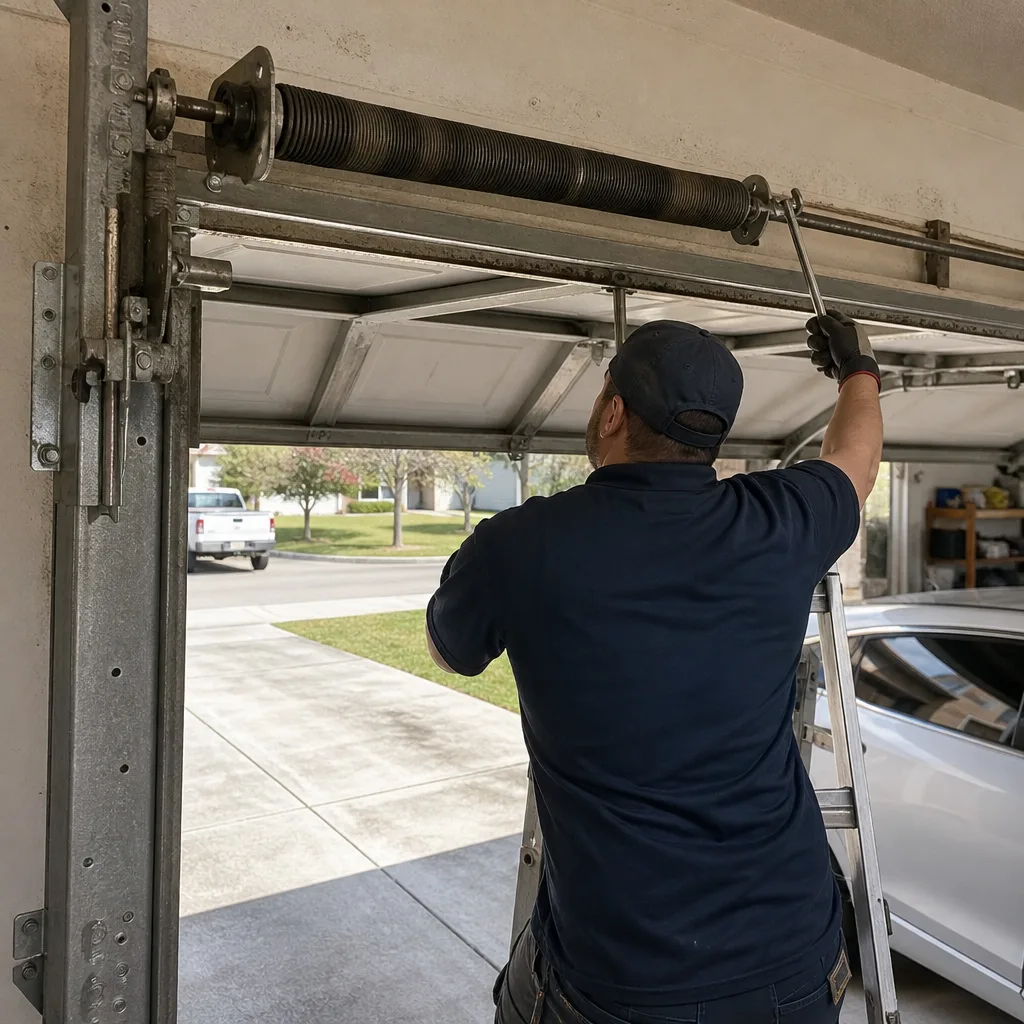 Before
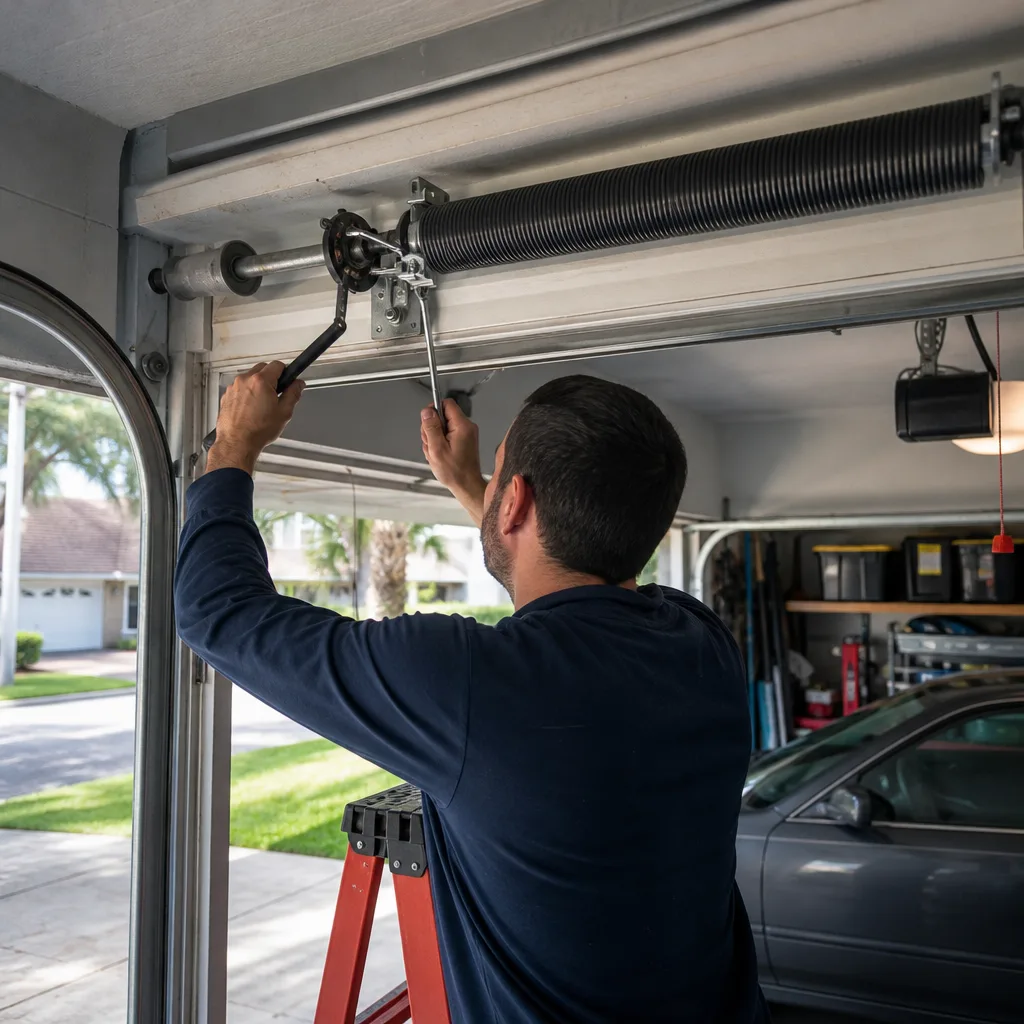 After
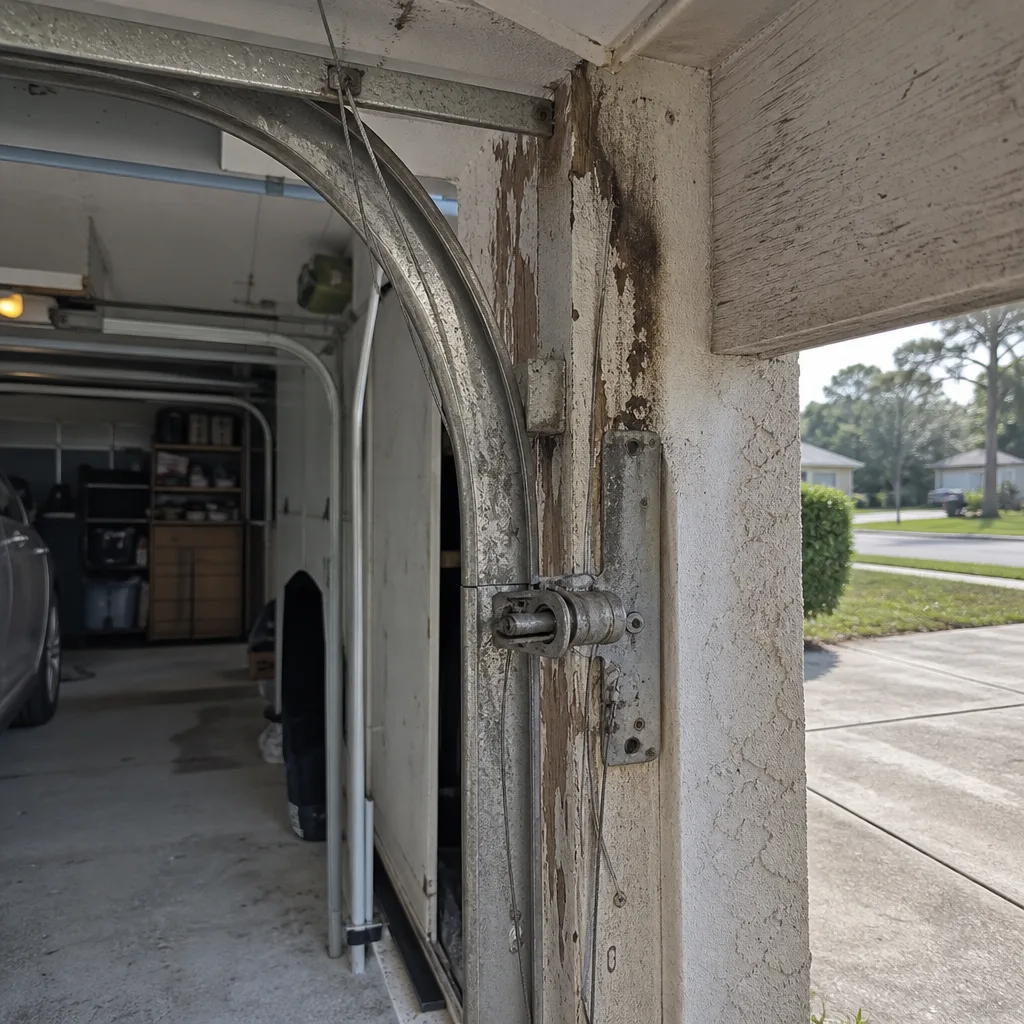 Before
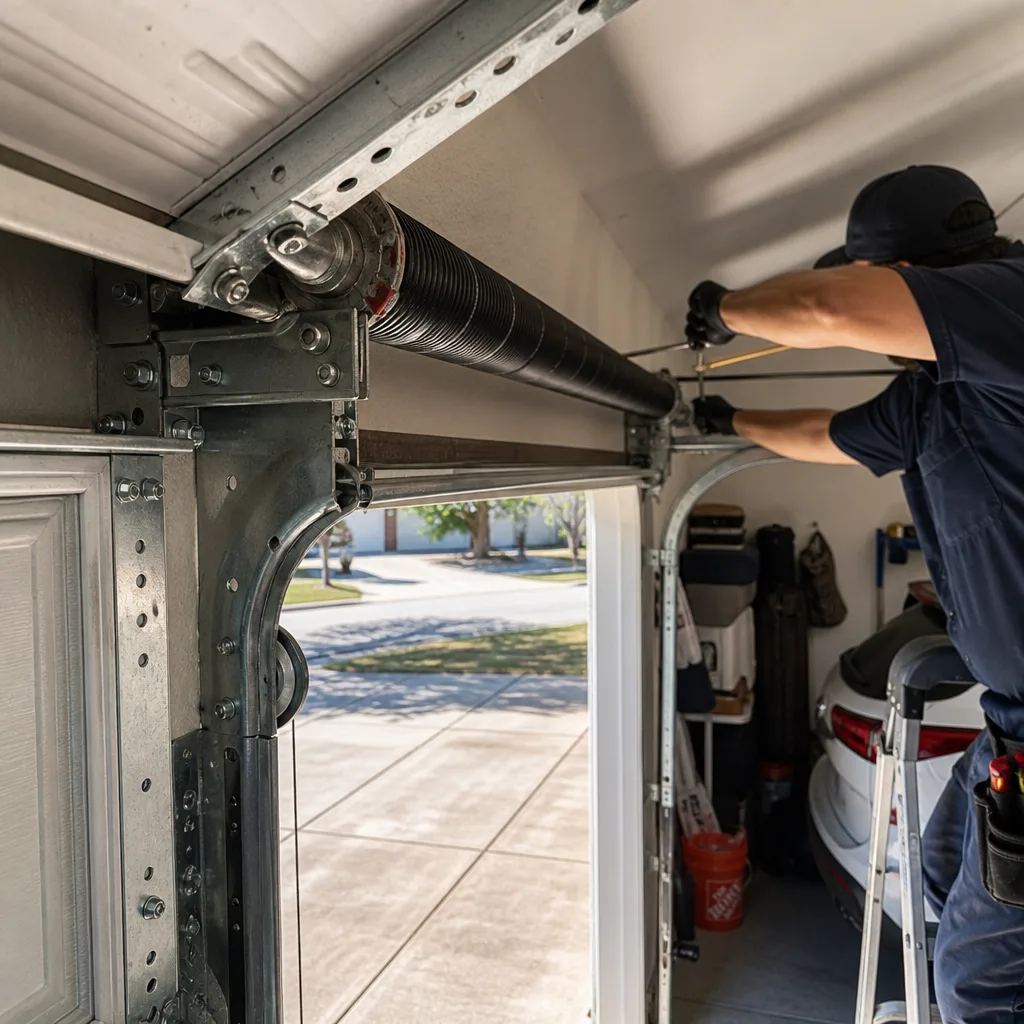 After
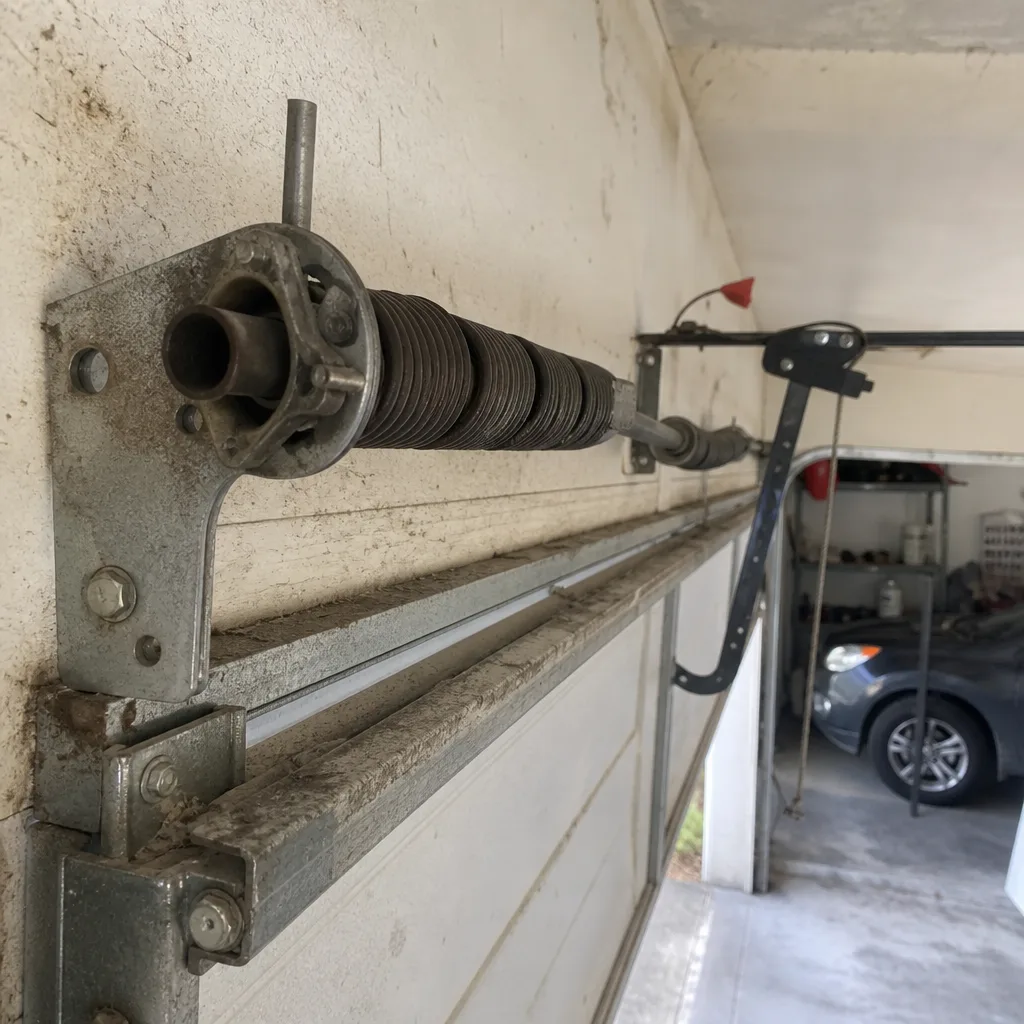 Before
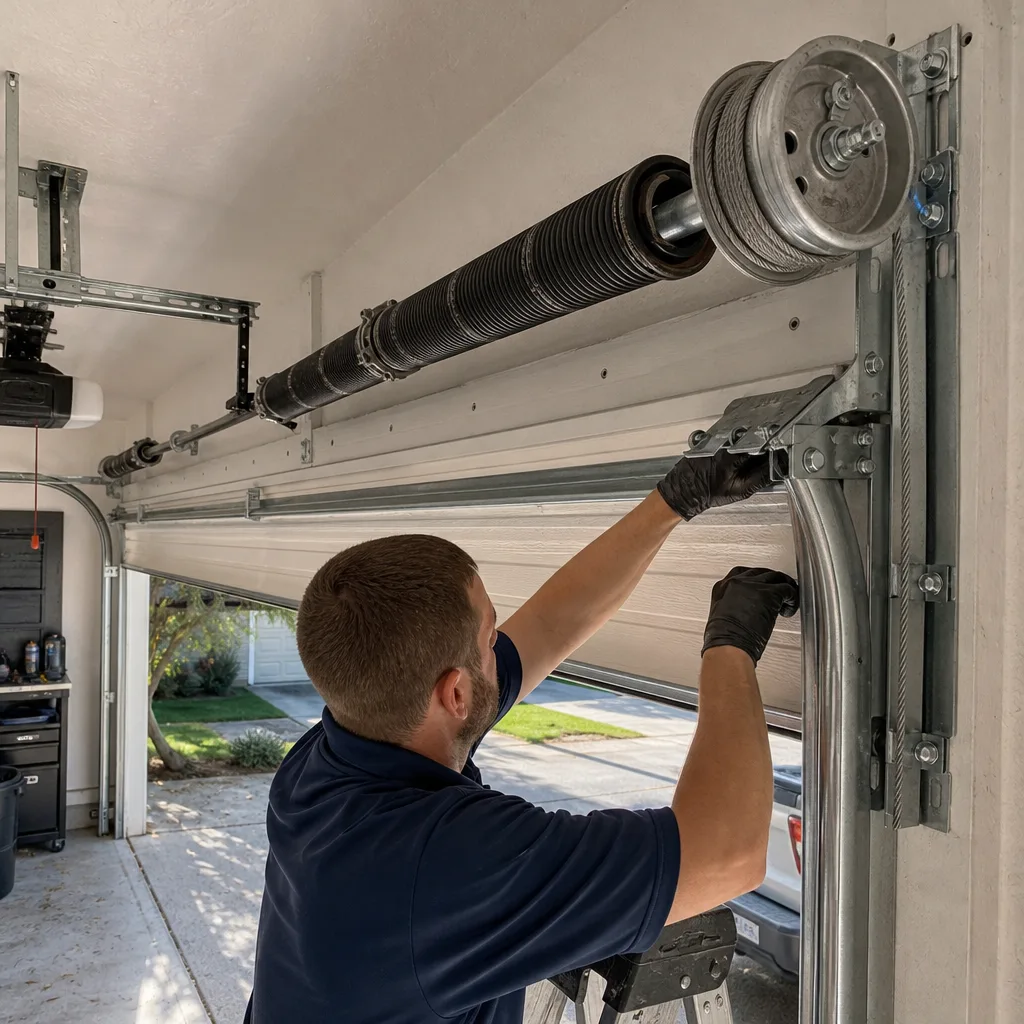 After
When to Call a Professional
Garage door permitting and wind-load compliance is not a DIY project. If you’re replacing a door in Tampa and any of these apply, you need someone who does this regularly: your current door predates 2002, your home sits in high-wind exposure near the bay or open water, you’ve discovered an unpermitted door during a sale, or your insurance renewal questionnaire is asking about garage door code compliance. The permitting process, the product approval matching, and the inspection coordination are all routine for a contractor who does permitted Florida installations. They’re a minefield for anyone doing it occasionally. Fieldstone Garage Door Repair offers free estimates in Tampa, call (855) 360-5925 and we’ll walk you through whether your job needs a permit before any work begins.
Frequently Asked Questions
You need a permit in Hillsborough County if the opening is altered, structural framing changes, or the new door doesn’t meet current wind-load standards for your zone. A like-for-like replacement with matching dimensions and valid Florida Product Approval documentation may be exempt, but that exemption must be supportable in writing if challenged later.
Tampa and most of Hillsborough County require garage doors to resist design wind speeds of 140 to 150 mph, depending on location and exposure category. The specific requirement comes from Florida Building Code Section 1609, and your door’s product approval documentation must show testing at or above your zone’s design pressure.
Residential garage door permits in Hillsborough County typically clear plan review in 1 to 2 weeks under normal conditions, with final inspections scheduled within 2 to 5 business days after the work is complete. Storm season and construction backlogs can extend the plan review window to 3 or 4 weeks.
You can, but you’ll face a title issue or a buyer’s inspection finding that typically forces an after-the-fact permit or a door replacement before closing. Resolving it early, before the final weeks of escrow, saves money and keeps the sale from falling apart.
That’s the risk that keeps Tampa homeowners up at night. If a carrier can show the door was not code-compliant, it can deny coverage for the door and contest interior damage caused by the door’s failure. Permit records are the first thing adjusters check after a named storm.
You should receive the Florida Product Approval documentation for your specific door model, a wind-load label on the door itself, manufacturer installation instructions, and either a closed permit number or written confirmation of the like-for-like exemption. If any of that is missing, request it before final payment.
The Bottom Line
Florida’s garage door permitting process exists because a 400-pound door that fails in a hurricane becomes the hole through which a house loses its roof. The permit isn’t bureaucracy; it’s the enforcement mechanism for wind-load standards that protect your home and your insurance coverage. In Tampa, the difference between a permitted installation and a skipped one is a few hundred dollars and a week or two of time. The difference at claim time or closing time can be tens of thousands of dollars. Ask the permit question before you sign anything. Get the documentation before you pay the final invoice. And if you’re not sure where your current door stands, find out now, not after the next storm. Browse more guides & resources to stay prepared.
For garage door repair, opener repair, or full installation in Tampa, call (855) 360-5925 for a free estimate. We work on LiftMaster, Chamberlain, Genie, Clopay, and most other systems, and we’ll give you a straight answer on whether your job requires a permit before any work begins. The right fix the first time, that’s the standard.
Written by the team at Fieldstone Garage Door Repair, serving Tampa since 2013.