
Last updated October 31, 2026
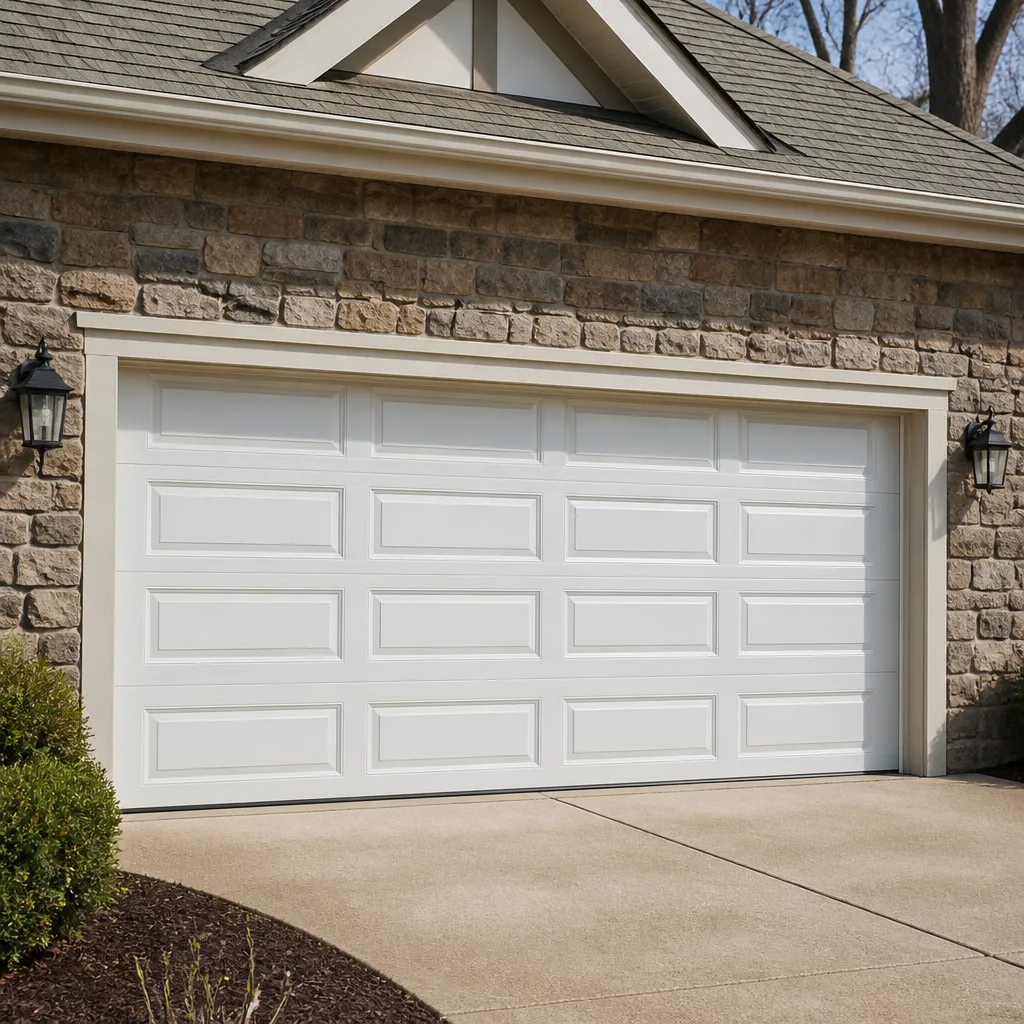 Raised-panel steel
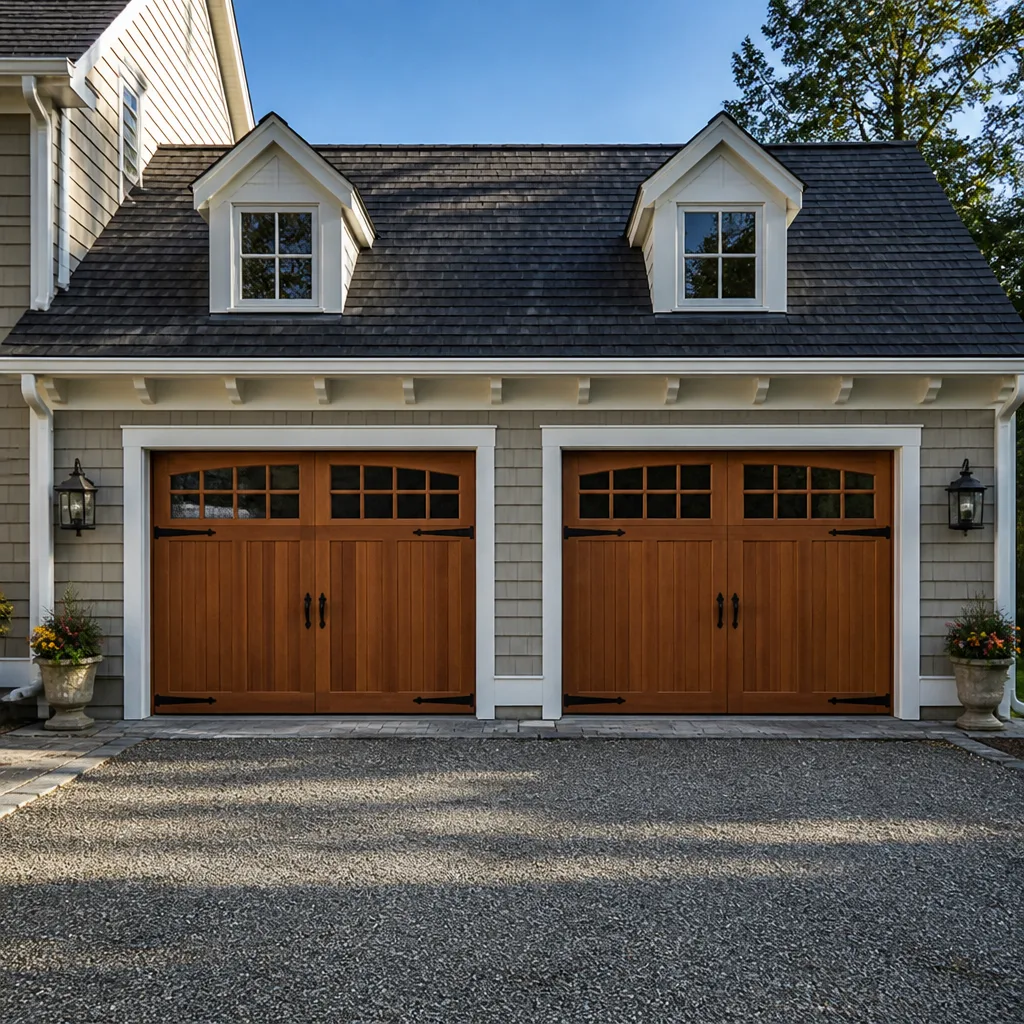 Carriage house
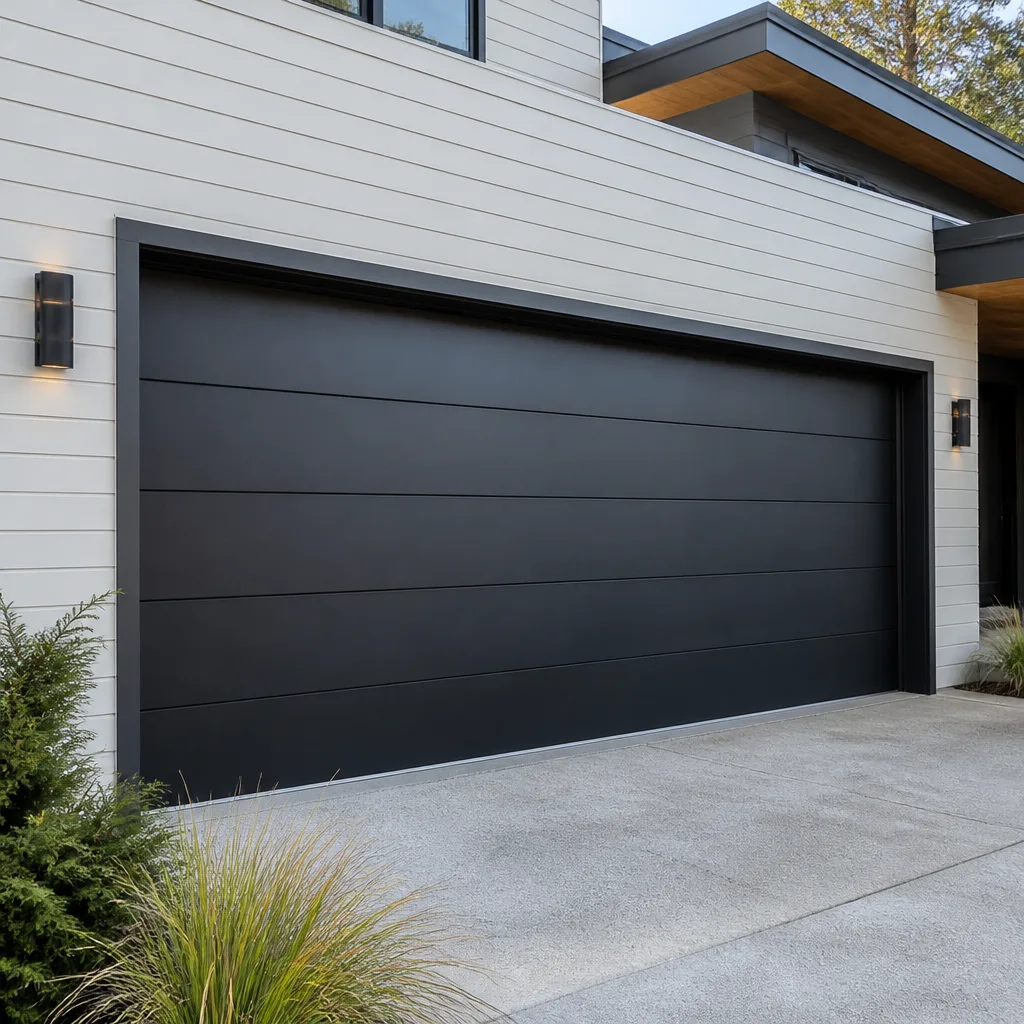 Modern flush
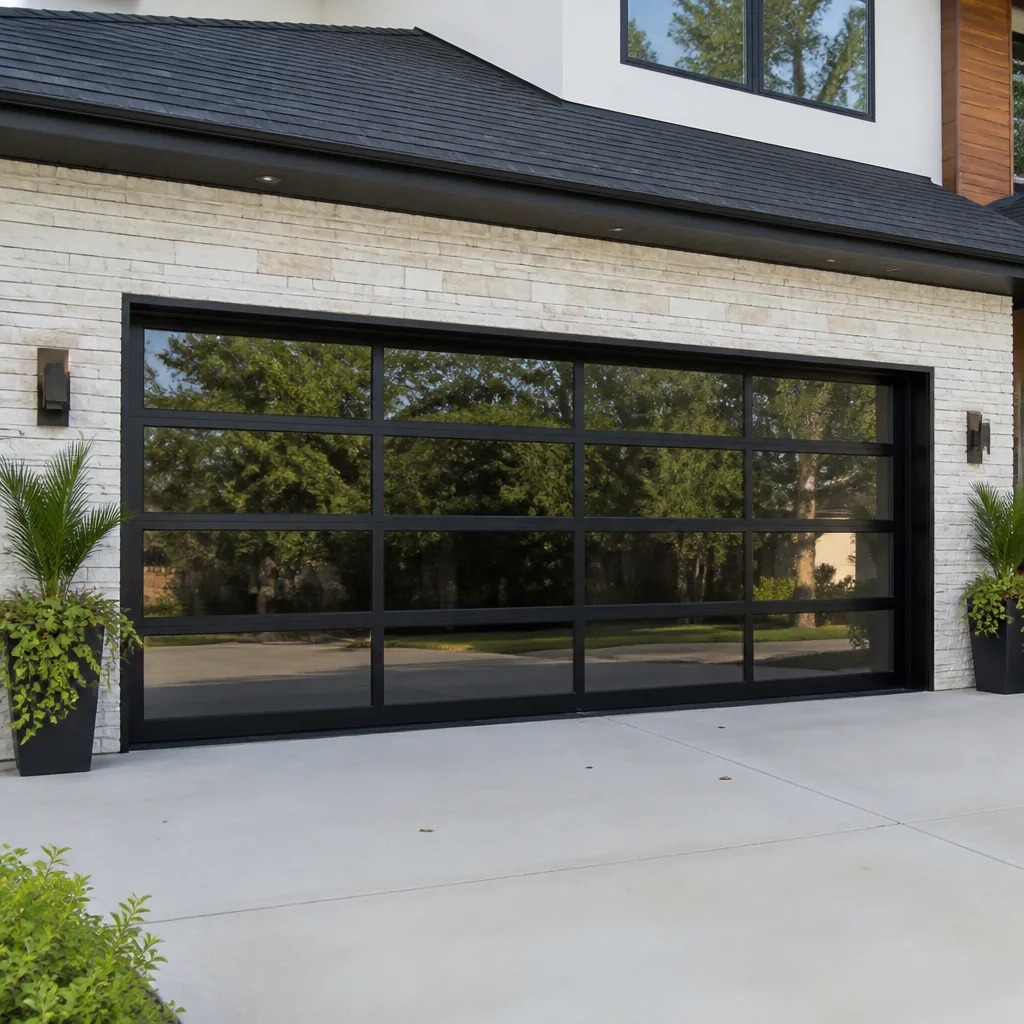 Full-view glass
 LiftMaster openers
 Chamberlain openers
Full 25-point door and opener safety check with every visit - springs, cables, rollers, tracks, and your LiftMaster or Chamberlain opener included
You get a price before we start. It does not change when the truck arrives.
Get your free estimateGarage Door Repair Maintenance Checklist for Tampa Homeowners
Most maintenance checklists are written for four-season climates and paste a Florida disclaimer at the bottom. This one is built backwards from Tampa’s actual failure patterns. We’ve repaired thousands of doors across this city, and the number-one cause of service calls in humid climates isn’t mechanical failure. It’s deferred maintenance on a $3 part: the bottom seal. Moisture gets in, the door rots from the inside out, and what could have been a five-minute fix becomes a panel replacement. This guide walks you through the checks that actually prevent breakdowns in Tampa, in the order they typically fail here.
Quick Answer
A Tampa garage door maintenance routine should prioritize moisture control and heat-related wear before anything else. Check the bottom seal and weatherstripping monthly, lubricate moving parts every three to four months with a silicone-based product, test the auto-reverse feature quarterly, and do a full post-storm inspection after every significant thunderstorm. Most homeowners can complete the routine in under 30 minutes, and it prevents roughly 70% of the Garage Door Repair calls we see.
Styles & brands we work with
Table of Contents
- The Humidity-First Inspection: Seals Before Springs
- Lubrication Schedules Built for Tampa’s Heat
- How to Spot Rust Banding on Torsion Springs in a Humid Climate
- Opener Sensitivity Tests That Matter in Thunderstorm Season
- The Post-Storm Checklist: Panel Alignment and Track Debris
- Tampa’s Seasonal Maintenance Rhythm: Month by Month
- Common Mistakes to Avoid
The Humidity-First Inspection: Seals Before Weatherstripping
Every generic checklist tells you to inspect springs and cables first. In Tampa, that’s the wrong order. Our technicians see doors in Seminole Heights, Carrollwood, and Westchase where the hardware is fine but the door itself is quietly deteriorating because the bottom seal failed six months ago and nobody noticed. Humidity here averages over 70% year-round, and that moisture finds its way into the wood, the insulation, and the track hardware.
Here’s the humidity-first sequence we recommend for Tampa homeowners:
- Bottom seal (vinyl or rubber strip along the door’s bottom edge): Run your hand along it. Look for cracks, flattening, or gaps where daylight shows through. If you can slide a dollar bill under any section with the door closed, replace the seal. This is a $20 part and 20 minutes of work.
- Side and top weatherstripping: The vinyl strips on the door frame degrade faster in humid air. Look for brittleness, pulling away from the frame, or mildew staining. Mildew on weatherstripping means the seal has already failed.
- Door panels: Tap wood panels lightly with a knuckle. A dull thud instead of a sharp sound indicates moisture absorption. Check the bottom panel especially, where water wicks upward.
- Track hardware: Look for rust at the bolt points where tracks mount to the wall. Surface rust is normal after a few years. Flaking rust that leaves orange dust on your hand means the hardware is structurally compromised.
We work on Clopay and Amarr doors regularly, and both brands hold up well in Florida conditions when the seals are maintained. The weak point is almost always the seal itself, not the door.
Lubrication Schedules Built for Tampa’s Heat
Standard maintenance guides tell you to lubricate garage door parts every six months. That interval assumes moderate temperatures in the 60s and 70s. Tampa summers run consistently above 90 degrees with high humidity, and that combination breaks down lubricants noticeably faster. In our experience, a door lubricated in March will be running dry and noisy by late July if you follow a six-month schedule.
For Tampa, shift to this rhythm:
- Every 3-4 months (March, July, November): Apply a silicone-based lubricant to hinges, rollers, and the torsion spring. Avoid WD-40; it displaces moisture but doesn’t leave a lasting film. Use a product designed for garage doors, like a white lithium grease or silicone spray.
- Every 6 months (March and September): Lubricate the opener chain or screw drive if you have one. Belt drives on newer LiftMaster and Chamberlain openers need little to no lubrication, but a light silicone wipe on the rail helps in humid air.
- Before thunderstorm season (May): Apply a thin coat of lubricant to the torsion spring. A well-lubricated spring runs cooler and is less likely to snap when the heat index climbs in July and August.
When you lubricate, wipe down the parts first with a dry rag. Applying fresh lubricant over old grit creates a grinding paste that accelerates wear. Less is more; a three-second spray per hinge is enough.
How to Spot Rust Banding on Torsion Springs in a Humid Climate
Torsion springs are under constant tension. In dry climates, they fail from metal fatigue, which shows as a clean snap. In Tampa, rust accelerates the process, and the failure signature is different. We call it rust banding, and it’s one of the most useful visual checks a homeowner can learn.
Here’s what to look for:
- Even surface rust: A light orange tint across the spring is normal after a few years in Florida humidity. It doesn’t mean the spring is about to fail. A coated spring with light rust still has years of life left.
- Rust banding: Darker, concentrated bands of rust at the points where the spring coils compress and release during operation. These bands indicate the protective coating has failed at the stress points, and the metal is oxidizing where it matters most. If you see distinct dark bands on your spring, it’s time to call a professional.
- Pitting: If the rusted areas show small divots or craters when you look closely, the metal is losing structural integrity. A pitted spring can snap without warning.
- Loose coils: Stand to the side of the door and look at the spring with the door closed. If you see any coil separation or gaps in the spring coils, do not attempt to adjust anything. A spring under tension with separated coils is dangerous.
Working on torsion springs is one of the few home maintenance tasks we strongly recommend against doing yourself. The springs on a double garage door hold several hundred pounds of torque. We provide garage door repair in Tampa for exactly this reason, and we replace dozens of rust-band springs every month.
Opener Sensitivity Tests That Matter in Thunderstorm Season
Tampa averages roughly 80 thunderstorms per year, and most of them roll through between June and September. Those storms bring two things that matter for your garage door opener: power surges and rapid temperature shifts. For Garage Door Repair Troubleshooting: Common Problems and How to Fix Them, start with the opener. Both affect the opener’s auto-reverse calibration, which is the safety mechanism that stops the door from closing on a person, pet, or object.
Here are the three tests to run quarterly, and especially after a major storm:
- The 2×4 auto-reverse test: Place a 2×4 flat on the ground in the door’s path. Close the door. It should reverse within two seconds of contacting the wood. If it doesn’t, adjust the down-force sensitivity per your opener’s manual, or call a professional if you’re unsure.
- The photo-eye alignment check: The two small sensors near the bottom of the door track should have solid green or red indicator lights. If one is blinking, they’re out of alignment. Wipe the lenses with a dry cloth first; dust and humidity buildup is a common culprit. If both lights are out, check the breaker.
- The manual release test: Pull the red emergency release cord with the door closed. You should be able to lift the door manually with one hand. If it’s heavy, the door balance is off, which forces the opener motor to work harder and shortens its life. A heavy door is often an early sign of spring fatigue.
Your opener is part of the system; we treat it that way. Many home warranty companies and generalist repair services replace openers without ever checking why the original one failed. At Fieldstone Garage Door Repair home, we train our technicians to diagnose the opener and the door together, because they wear together.
The Post-Storm Checklist: Panel Alignment and Track Debris
Routine maintenance is one thing. A Tampa afternoon thunderstorm is another. Heavy rain, wind gusts up to 60 mph, and flying debris all stress a garage door in ways that daily use never does. After any storm that brings down branches or leaves visible debris in your yard, spend five minutes running this checklist.
- Inspect the track for debris: Leaves, twigs, and small branches can wedge between the rollers and the track. Even a small obstruction creates drag that wears the opener motor and can pull the door out of alignment over time. Run a finger along the inside of both tracks, not just the visible side.
- Check panel alignment: Stand back and look at the door from the street. Panels should be perfectly even, with no gaps between them. Wind gusts can flex panels, and on older wood doors, that flex can crack panels or loosen the hinges that connect them. If you see uneven gaps, closer together at one end than the other, a hinge or roller has shifted.
- Look for water intrusion: After the storm passes, open the door and run your hand along the inside of the bottom panel. If it feels damp, the bottom seal took water during the storm. Dry it off and check whether the seal is still making full contact. Repeated water intrusion is how wood doors rot from the inside.
- Cycle the door once, while watching: Open and close the door fully, standing to the side. Listen for new grinding, squealing, or popping sounds. Watch the door for hesitation or jerky movement. A door that moved smoothly before a storm and now hesitates likely took wind damage to a hinge or bracket.
We’ve repaired plenty of doors after storms in South Tampa and Brandon where the homeowner noticed a small issue, waited, and ended up with a track that pulled off the wall entirely six weeks later. Small misalignments compound. If the post-storm check turns up anything that doesn’t look right, a service call is cheaper than a full door or track replacement. See Garage Door Warning Signs: A Tampa Homeowner’s Reference Guide to know what to watch for.
Tampa’s Seasonal Maintenance Rhythm: Month by Month
Tampa doesn’t have four seasons the way a Chicago or Boston garage door maintenance guide assumes. We have two: hot and wet, and warm and dry. Here’s the rhythm that keeps a garage door running smoothly in this climate, month by month.
March (pre-summer prep): This is the single most important month for garage door maintenance in Tampa. The humidity is building but hasn’t peaked. Lubricate every moving part, replace the bottom seal if it shows any wear, and run all three opener sensitivity tests. If your door is more than eight years old, have a professional check the spring balance. A door that’s slightly out of balance in March will be significantly out of balance by August.
May (pre-storm season): Check the weatherstripping around all sides of the door. Run a hose along the bottom of the closed door and look for any water making it through to the inside. With hurricane season starting June 1, a five-minute seal check now prevents a weekend of water damage later.
July through September (peak humidity): Run the lubrication routine again in July, especially on the torsion spring. Listen for changes in the door’s sound. A door that gets louder through the summer is telling you something. Check the auto-reverse monthly during this window; lightning strikes and power surges can reset opener sensitivity settings without any visible indication.
November (post-hurricane season): Do a full visual inspection: tracks, hinges, springs, cables, panels, and the opener. Anything that took storm damage gets addressed now, before the holiday season. If you have a Genie or Wayne Dalton opener, this is a good time to replace the remote batteries; both brands tend to drain batteries faster in humid conditions.
January (the dry month): Tampa’s driest month is the best time for any major work: door replacement, opener replacement, or panel replacement. The low humidity means adhesives cure properly, paint dries evenly, and metal doesn’t sweat during installation. If you’ve been considering a new door, garage door installation in Tampa is cleanest in January.
Common Mistakes to Avoid
- Using WD-40 instead of garage door lubricant. WD-40 is a solvent that strips away existing lubricant. It makes the door quiet for about a week, then the metal runs dry and wears faster. Use a silicone-based product made for garage doors.
- Ignoring the bottom seal until water is visible. By the time you see water pooling inside the garage, the door has been absorbing moisture for weeks. A $20 bottom seal replacement prevents rot that costs hundreds.
- Testing the auto-reverse without weight on the door. The 2×4 test must be done with the door closing on a solid object, not your hand. Your hand gives way; the safety reverse doesn’t trigger properly, and you leave with a false sense of security.
- Painting over rust without treating it. Rust on door hardware isn’t cosmetic. Painting over it seals in moisture and accelerates the oxidation. Clean rust with a wire brush, treat with a rust converter, then paint if desired.
- Skipping the manual release test because the door “seems fine.” A door that opens smoothly can still be dangerously out of balance. The manual release test is the only reliable way to catch spring fatigue early.
- Assuming a new opener fixes a door problem. If a door is heavy or misaligned, a new opener burns out faster than the old one did. Fix the door first, or buy both and have them installed together.
See the difference
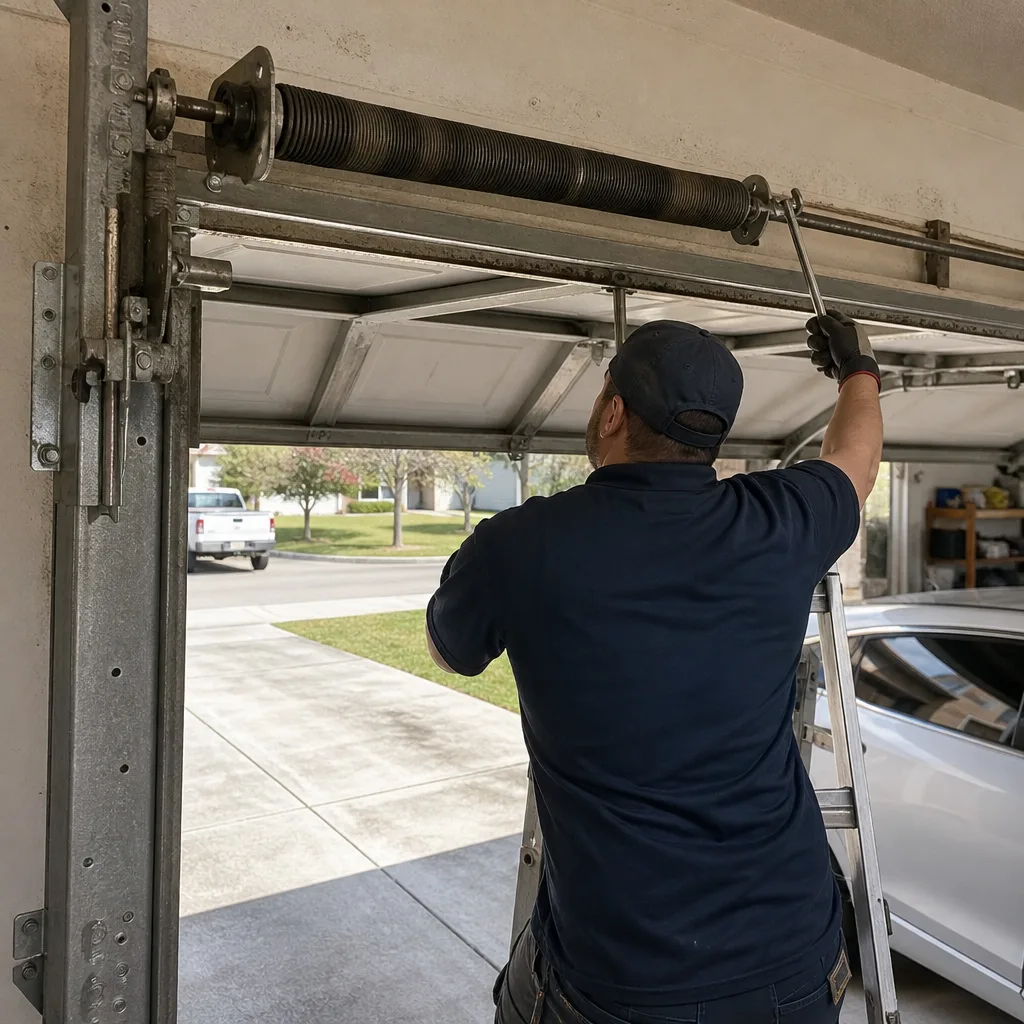 Before
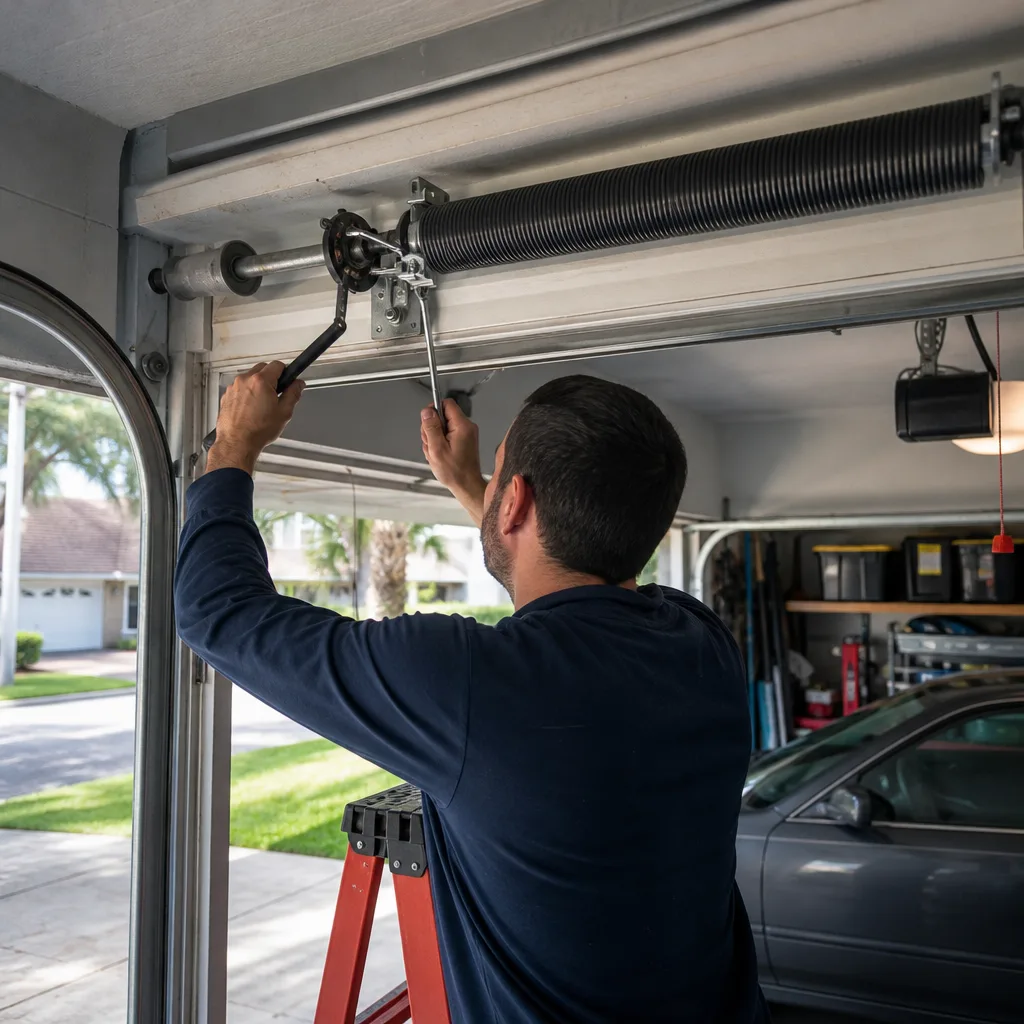 After
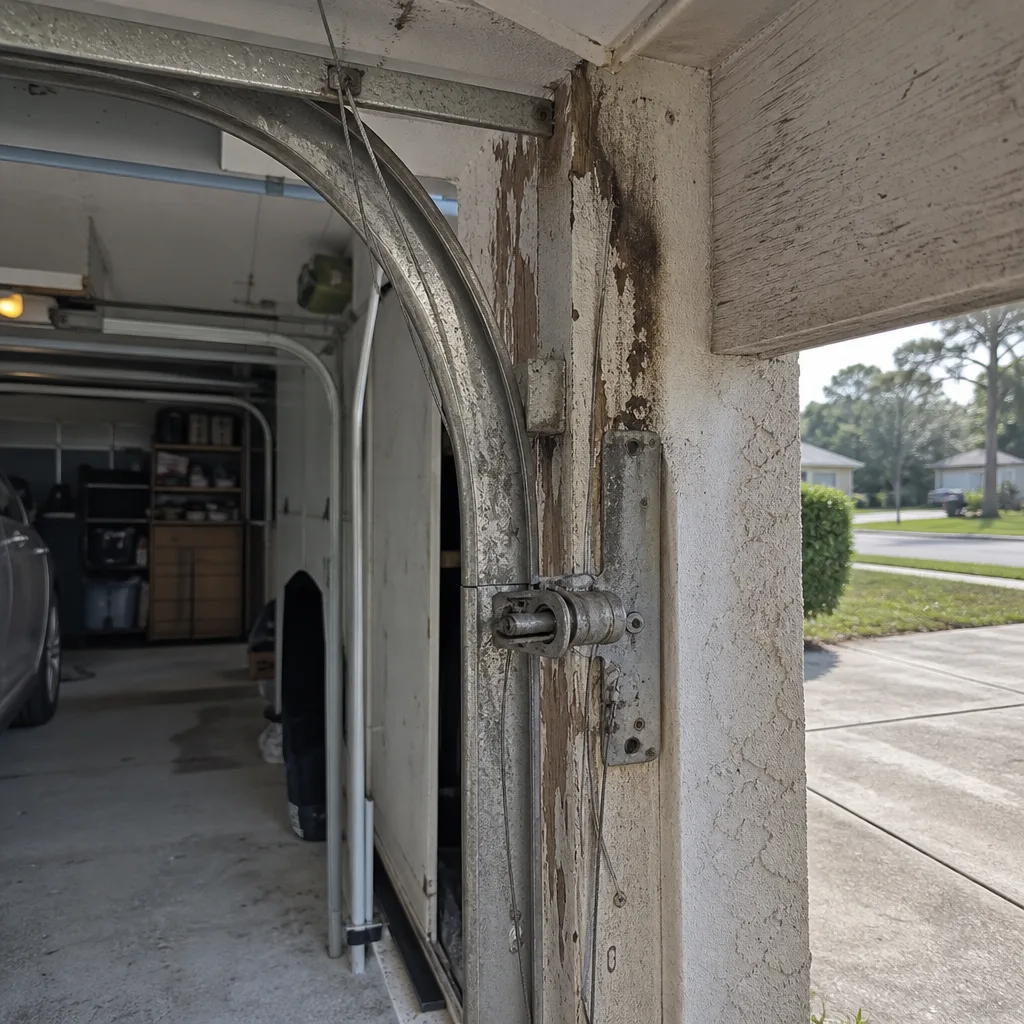 Before
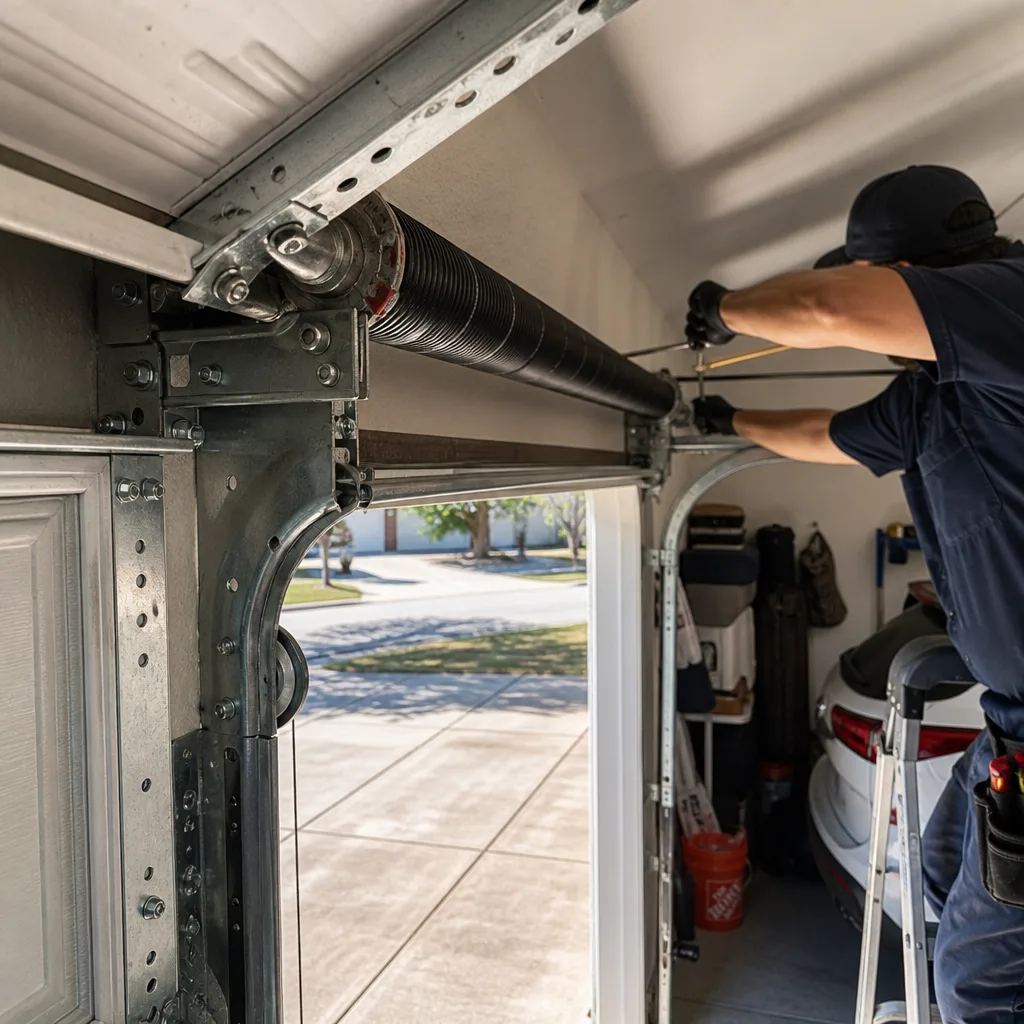 After
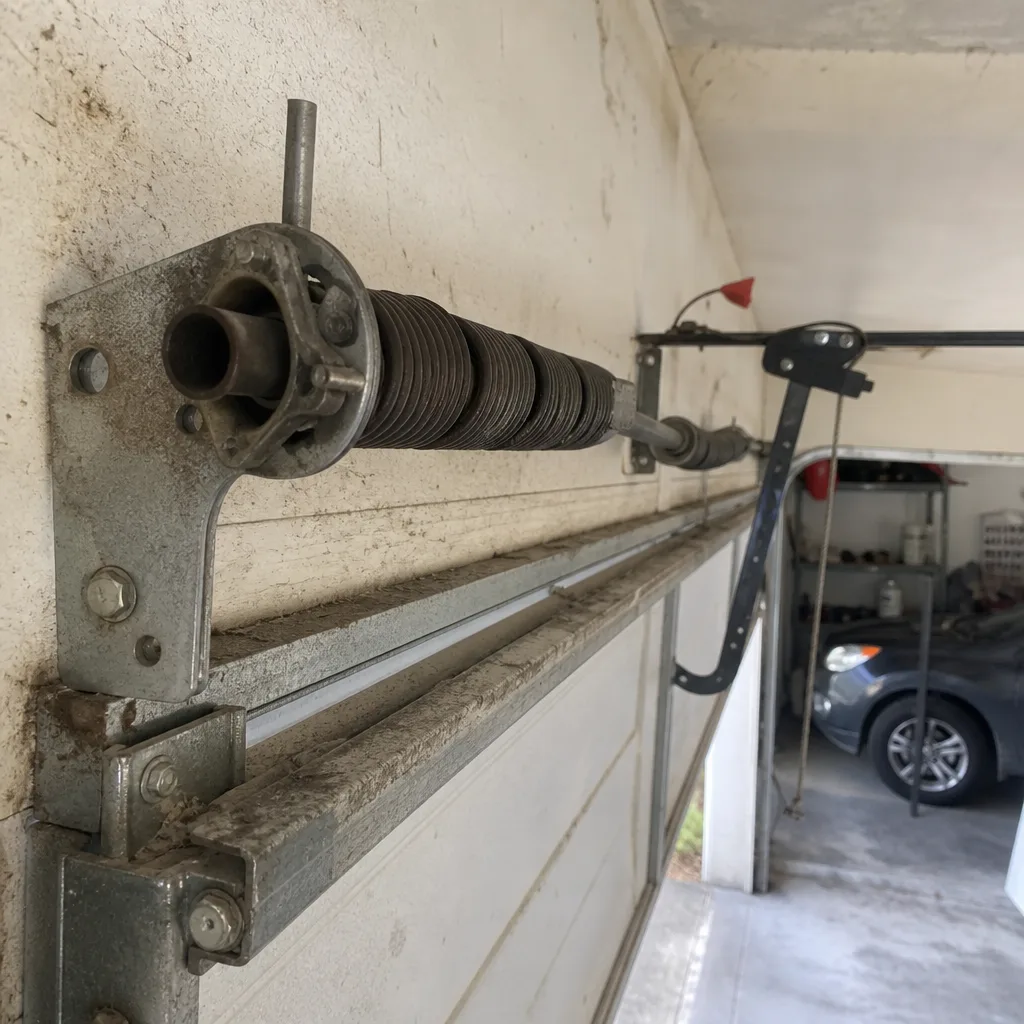 Before
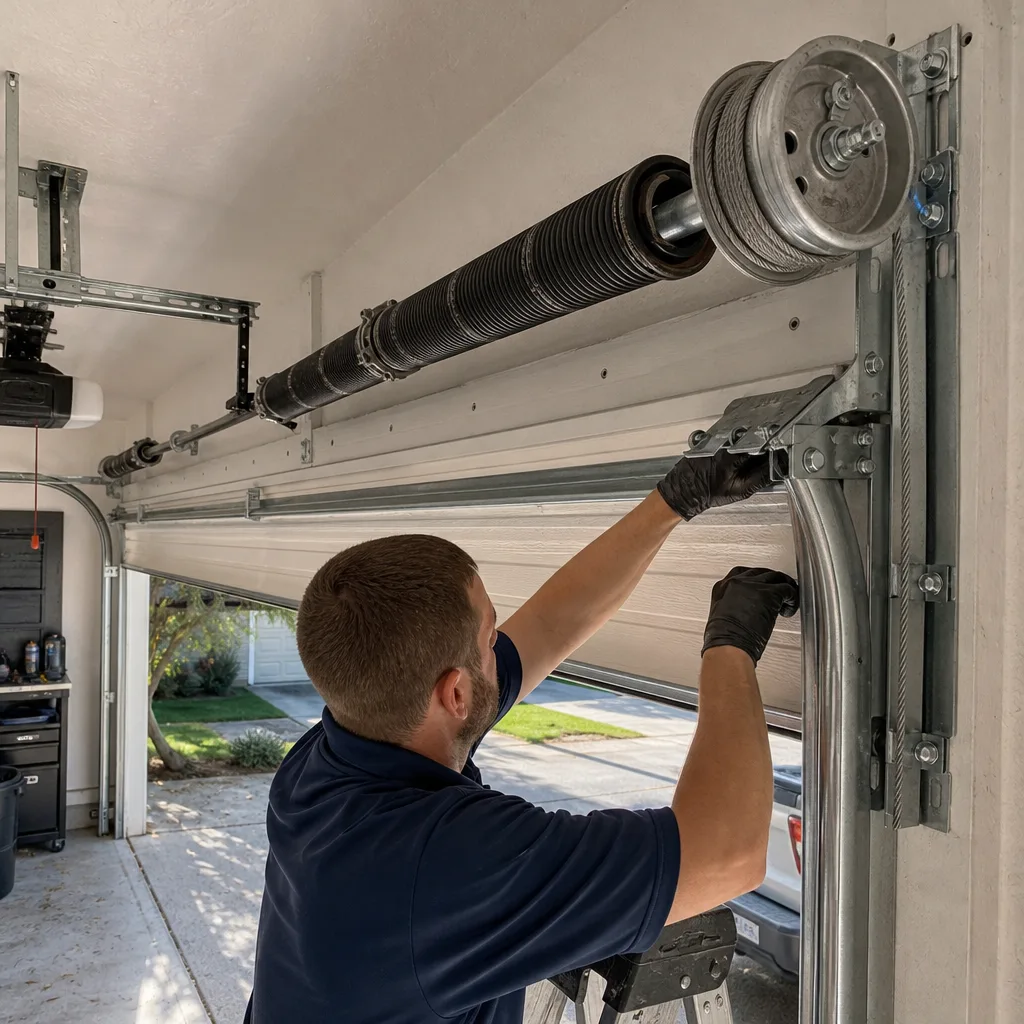 After
When to Call a Professional
Some maintenance tasks belong to a pro, period. Torsion spring replacement, cable replacement, track realignment, and opener sensitivity adjustments involving the motor’s force settings all carry risk beyond what a homeowner should handle. If you see rust banding on a spring, hear a loud pop in the garage, or notice the door hanging unevenly, stop using the door and call someone. A door that fails under tension can cause serious injury. Fieldstone Garage Door Repair offers free estimates in Tampa, and we’ll tell you honestly whether a part needs replacing or has years left. Call (855) 360-5925 if anything in this guide turns up something you’re unsure about.
Frequently Asked Questions
A DIY maintenance routine costs about $30 to $50 per year in supplies: silicone lubricant, a bottom seal replacement every couple of years, and occasional weatherstripping. A professional tune-up in Tampa typically runs $100 to $175, including lubrication, hardware tightening, and opener calibration. Call (855) 360-5925 for an exact quote; estimates are free.
Yes, in most cases. We stock parts for LiftMaster, Chamberlain, Genie, Clopay, Amarr, Wayne Dalton, and Craftsman on our service trucks, which means spring replacements, seal replacements, and opener repairs can usually be completed on the first visit. Call (855) 360-5925 to schedule.
No. The price we quote is the price you pay, and it’s agreed before any work starts. If we discover an additional issue during the repair, we stop and get your approval before touching anything else. No surprise invoices.
We carry the most common parts for all eight brands we service: torsion and extension springs, bottom seals, weatherstripping, rollers, hinges, cables, opener gears, and safety sensors. That means most repairs in Tampa are one visit, not two. Call (855) 360-5925 for availability on your specific door.
Once a year is enough for most Tampa homes. If your door is over ten years old, every six months is smarter. The annual inspection should include spring balance, cable condition, roller wear, hinge tightness, and opener force calibration. Our inspections include all of these.
Heat causes metal to expand, which tightens the moving tolerances on hinges and rollers. Combined with humidity thinning out the lubricant, summer is when garage doors get noticeably louder in Tampa. A mid-summer lubrication pass usually restores the door to quieter operation. If the noise persists after lubricating, the rollers or hinges are worn and need replacing.
The Bottom Line
Garage door maintenance in Tampa is not complicated, but it is specific. For more guides & resources, visit our blog. The order matters. Seals before springs, because moisture is the silent killer. Lubricate every three to four months, not six, because the heat breaks down lubricant faster. Test the auto-reverse after every major storm, because power surges reset sensitivity without warning. Run the post-storm checklist without fail. Twenty minutes a month keeps a garage door running for twenty years in this climate. Skip the maintenance, and you’ll meet us at 7 a.m. on a Monday with a snapped spring. We’d rather meet you on your schedule, not the door’s. For a free estimate or a professional tune-up, call (855) 360-5925. We work on Genie, Clopay, Amarr, Wayne Dalton, and most other systems. The right fix the first time; that’s the Fieldstone standard.
Written by the team at Fieldstone Garage Door Repair, serving Tampa since 2013.